

Can I sub white flour for Whole Wheat pastry flour in this recipe?
6 years ago
Featured Answer
Sort by:Oldest
Comments (8)
 6 years ago
Related Discussions
Whole wheat flour & brownies
Comments (7)I'd suggest you substitute low-glycemic agave nectar for sugar in baked goods if you are a diabetic (it is an appropriate sugar substitute for most diabetics - but you should check with your health care professional or nutritionists). It has the benefit of acting/performing like "sugar" in baked goods (including browning, tenderizing baked goods, and feeding yeast in breads), unlike chemical sweeteners (like Splenda), and you get a better end product. It's much sweeter than sugar and you can use much less. For things that require 1-cup of sugar, I usually use half that amount of agave nectar (or no more than 3/4 of a cup agave nectar for 1-cup of sugar - for people with a really "sweet" tooth). I sweeten a quart of homemade ice cream with only 1/4 c. of (low-glycemic) agave nectar. I mill soft white wheat for flour for baked goods that require less gluten (such as brownies, quick breads, etc) or spelt (also less gluten). Less gluten and gluten development will keep the texture more tender. Fat AND sugar are also tenderizers. Eliminate either of those and you have to find other ingredients that will work as tenderizers (baking science 101). The bran in whole grain flours absorb a lot of moisture, as well as the gluten in flour, and white whole wheat flour is generally higher in gluten than all-purpose. Therefore you may need to adjust the flour amount down a bit, or increase the liquid to compensate for bran and gluten. -Grainlady...See MoreOpinions on whole wheat pastry flour?
Comments (14)Lou (hawk307) - I live in Kansas - wheat country - and prefer flour from Kansas mills or mill my own. I find Hudson Cream Unbleached All-Purpose Flour (milled in Stafford Co., KS) one of the best, although I rarely use it now. KA/AP (13g protein) is unbleached. Being unbleached would put it in a better position than bleached National Brands (Gold Medal and Pillsbury 12+g protein) in my books. The information about protein levels is from CookWise by Shirley O. Corriher. The only use I've found for bleached flour is sprinkled in my garden to kill bugs. I wasn't all that impressed with KA/AP when I tried it years ago - mostly the price. Much of KA flour is milled in Kansas (in Topeka I believe). All their white whole wheat flour is milled in KS - I read a Kansas State University press release about that. It took until the last few years for them to buy shelf space in the grocery stores around here. We had lots of other excellent choices when it came to flour before high-priced KA. -Grainlady...See MoreCan I sub WW pastry for cake flour?
Comments (12)sally2 & lpinkmountain - sally2 - We've been doing a little traveling and it's the beginning of gardening season, so I haven't been spending much time on the computer. I should have added, if you mill your own flour, be sure to sift out any large chunks of bran from your flour when using it for fine cakes, like chiffon or angel food. And you must have a mill that will mill a very fine flour to use it for "cake" flour. A coarse grind of flour won't get the job done. I agree about avoiding bleached flour, but saying that, I brought home my 1 bag-for-the-year of White Lily flour I always purchase when we go to Tennessee (LOL). lpinkmountain - I've never tried wholegrain cake flour with barley flour, but I'm going to bet it's sweet taste would be an asset. Barley does have some gluten, although it's very low in gluten. Barley flour is an odd flour when you mill it yourself. It's really light and airy. You can mill 3/4 c. barley and it will innitially measure 1-1/2 c. of flour, but after several days storage, it compresses to 1 c. of flour. Barley is the exception to the "stir before measuring" rule. You need to tap the container a few times to settle the contents before measuring. I like to mill pearled barley into flour and use it in baked goods. Pearled barley has the bran removed so the flour is very starchy and soft to the touch. If you use barley in a yeast bread the crusts tend to harden after the bread is cooled and the crumb of the bread may be more crumbly, but nice and moist. Barley flour works well in lots of baking. It's one of those under-used flours, like rye. People only think of barley as a flour for a flatbread and there are LOTS of recipes using it for bannocks, pancakes (and other quick breads), pie crust... -Grainlady...See MoreWhole wheat pastry flour
Comments (10)Sue, according to Animal Vegetable Miracle by Barbara Kingsolver if you make your own creAm cheese it will be lactose free. Commercially produced stuff uses chemicals so the lactose is still there. Co-op food stores and health food stores etc might also have cultured cream cheese. Here is an oatmeal wheat bread that I got from Ohio Mom's website. I tried to find it on her site to link to it and could not find it. This is my families favorite bread. Oatmeal Wheat Bread 2 packages yeast 1/4 cup warm water 2 cups cooked oatmeal (not instant) 1/2 cup warm buttermilk 1/3 cup brown sugar 1/4 cup melted butter 2 tsp. salt 2 1/2 cups whole wheat flour 2 1/2 cups all purpose flour Mix the yeast and water, let stand for 5 minutes. Mix again. Add oatmeal, buttermilk, sugar, butter, salt and whole wheat flour and all purpose flour. Work in enough to form a soft dough. Knead until the dough is smooth and elastic. Place in a large bowl and cover with damp cloth. Let rise in a warm place (not oven) for 2 hours. Punch down the dough and let rest for 10 minutes. Form 2 loaves and place in buttered loaf pans. (9x5x3inch) Redampen the cloth and cover the loaves, allow to rise another 45 minutes in a warm place until proofed. Preheat oven to 375 degrees. Bake for about 40 to 45 minutes. Here is a link that might be useful: Ohio Mom's Blog...See More- 6 years ago
 6 years agolast modified: 6 years agoCompumom11 thanked carolb_w_fl_coastal_9/10
- 6 years ago

Related Stories
FEEL-GOOD HOME12 Very Useful Things I've Learned From Designers
These simple ideas can make life at home more efficient and enjoyable
Full Story
KITCHEN DESIGNTrending Now: 25 Kitchen Photos Houzzers Can’t Get Enough Of
Use the kitchens that have been added to the most ideabooks in the last few months to inspire your dream project
Full Story
KITCHEN COUNTERTOPSWhy I Chose Quartz Countertops in My Kitchen Remodel
Budget, style and family needs all were taken into account in this important design decision
Full Story
KITCHEN DESIGNKitchen of the Week: Brick, Wood and Clean White Lines
A family kitchen retains its original brick but adds an eat-in area and bright new cabinets
Full Story
KITCHEN DESIGN5 Home Cooks Share Their Favorite Family Recipes
Peek inside the kitchens of these Houzz users and learn how to cook their time-tested, passed-down dishes
Full Story
KITCHEN DESIGNWorld of Design: Favorite Recipes From Food Lovers Around the Globe
Travel with your tastebuds and experience for yourself these international foodies' favorite dishes
Full Story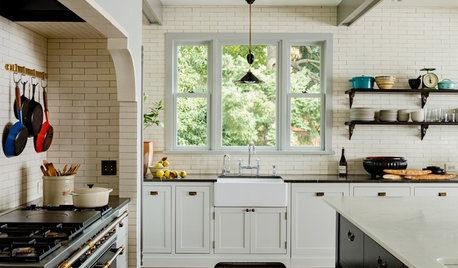
KITCHEN STYLESDesign Recipe: How to Get a Modern Farmhouse-Style Kitchen
Discover the essential materials, colors and finishes that make this popular style beautiful and functional
Full Story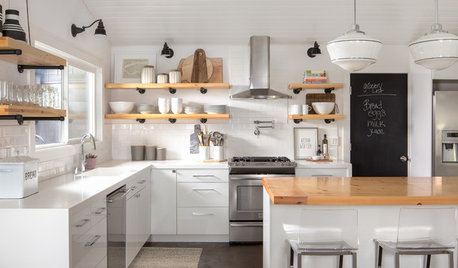
KITCHEN CABINETSWhy I Combined Open Shelves and Cabinets in My Kitchen Remodel
A designer and her builder husband opt for two styles of storage. She offers advice, how-tos and cost info
Full Story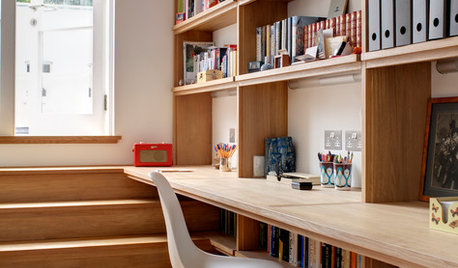
SMALL SPACES9 Organizing Lessons We Can Learn From Small Spaces
Are you designing a little room or a studio apartment? With these clever tips, you can make every inch count
Full Story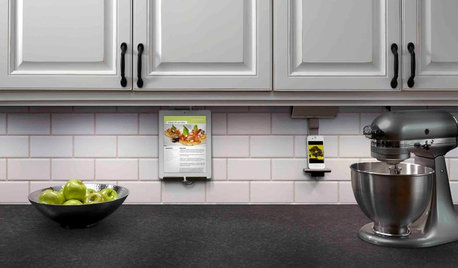
KITCHEN DESIGNHouzz Call: What’s Cooking in Your Kitchen?
Most of us turn to recipes, videos and culinary shows when we cook. Where do you set your cookbook, tablet or TV screen?
Full Story
lizbeth-gardener