Genetic Tasting and Eggplants
6 years ago
Featured Answer
Sort by:Oldest
Comments (16)
- 6 years ago
- 6 years ago
Related Discussions
Lifespan of Genetic Dwarf (Miniature)Trees?
Comments (5)Thanks for the reply Applenut. That helps... would you happen to know a source for the info? Are there really commercial orchards of miniature 3-5 foot tall fruit trees? I figured that was a myth or perhaps it was tried when initially released but is now a novelty. But the main question is, are the varieties any good? I almost spit out my cereal when I saw this. Are you implying the Dave Wilson labels of "excellent flavor" and "tasty" are NOT correct? ;-) LOL I have no idea if they taste good as we can't exactly get samples anywhere. Our favorite flavored varieties are planted in-ground, so we're good there. These are more "pet trees" and my fingers are crossed at least one or two will taste good. If not, oh well they offer great decorative value and aren't THAT much more work along with my other trees. But boy, the root work on them is no easier than a full sized tree on Lovell & Nema. Whoever said Miniatures don't require root pruning was dead wrong and beginners are in for a surprise. ALL containerized fruit trees I've taken a risk on that are >1 year old (been sitting at the nursery over a season in #5 pots), INCLUDING Mini's, GM61/1 and PUMI rootstocks, have extremely large girdled roots that required serious rootwork before potting. I was forced to remove so much of the root biomass, like 40%, () I still wonder if it was worth it vs. a young one. But who knows, the overall root mass is still significantly more than a fresh one at potting. I've enjoyed taking risks and the learning that goes along -- but I would never have done any of it without the help of folks online. Thanks again!...See MoreWhat's so bad about genetic engineering?
Comments (19)The main problems with GM foods are that no one knows their long-term effects, the PR about better yields and fewer pesticides has turned out to be hype, and too many serious problems have arisen already. The worst mistake I've heard about was a GM Klebsiella bacterium intended to help compost wood waste and produce ethanol. But when it was added to soil in the laboratory, all the seeds that were planted died because the GM Klebsiella killed off the mycorrhizae in the soil. http://infochangeindia.org/fetaures11.jsp Other mistakes include a brazil nut gene inserted into soy that triggered allergies in people allergic to brazil nuts; StarLink corn used in corn chips, although the StarLink GM strain was not approved by the EPA for use in human food; and GM potatoes that affected the growth of internal organs in rats. These products were removed from the food supply because they showed immediate effects, but no one knows what long-term effects may arise, or what synergistic effects may turn up. Practically speaking, whenever you eat any processed foods, you are participating in a massive unprecidented experiment on the effects of GM foods on human health. That's because there are 5 main GM crops in North America (corn, soy, canola, cotton, and I forgot the 5th) and dozens of other crops using GM strains. Practically speaking, all of the big 5 that were not organically grown (or even wind-pollinated crops that were OG) are GM or have been contaminated with GM genes. The other worrisome thing about GM crops is that it is impossible to avoid (or to know whether you are eating) GM crops, because GM ingredients are not required to be identified. The industry has spent millions of dollars to defeat GM-labeling bills every time they have been proposed. So if you want to avoid GM crops, you need to avoid crops grown in North America, avoid the big 5 altogether, or grow all your own food and be miles away from any possible GM field (because the pollen from GM corn in particular has contaminated the entire North American crop, including possibly all organically grown corn, according to some sources)....See MoreGenetically Modified Purple Tomatoes
Comments (8)These are political statements with blurred boundaries of what constitutes "conventional" breeding, just like when I go to Whole Foods and see "Conventional" vs. "Organic". In fact, Indigo Rose was developed by "introgressing" at least three different genes from three respective species: Solanum lycopersicoides Solanum chilense Solanum cheesemanii &&&&&& Conventional breeding to most folks, including myself, means not developing a variety by the use of the introduction of genes from another genus/ species. Which would make it a GMO as is the one from England. All accessions used to initially develop OSU 20, then to P20 are in the family Solanaceae, genus Solanum, and that includes the wild species that were most important to developing Indigo Rose, The most important link I have I linked to below so it is ASAP clickable. It's from Keith Mueller's website which I've linked to many times here since it a treasure in many ways. Keith got his MS from Dr. Randy Gardner from NCSU, now retired, but is still breeding tomatoes and many of you probably already know of his Mountain series and so many more. Keth has bred some wonderful varieties such as Purple Haze F1, Liz Birt, Bear Creek, and many more that have become very popular and has been working with many projects such as what he calls Lucky Sun, an initial cross between Lucky Cross, the stable gold/red bicolor and Sungold F1. Keith, IMO, knows more tomato genetics across the board than many such geneticists in academic positions who usually focus on just one area. When you click on that second link below the FAQ one that I mentioned above, you'll see that there were many other parental inputs, many accessions from the TGRC at UC Davis in CA. Tomato breeders can request accessions but have to document their accomplishments to date and what they want those accessions for. Several years ago I asked a former friend who was going to the Galapagos Islands to please bring me back seeds for S cheesmanii, she sent me whole fruits that were not cheesmanii. Since I knew the island they came from I called the TGRC and spoke with Dr. Chatelet who told me that what I had was a stable cross between a currant tomato and now I forgot the other parent. That variety was named, not by me, Sara's Galapagos and is still one of my fave wee fruited varieties. The TGRC is THE main source of accessions ( genes) for tomato breeders all over the world Indigo Rose I have not tasted, but was sent fruits of P20 which I did. And hopefully someone will be able to finally introduce some decent taste into a so called blue variety with the anti-oxidants that was the reason Dr. Myers started this whole project all those many years ago. Indigo Rose https://www.google.com/?gws_rd=ssl#q=Development+of+Indigo+Rose+tomato For those still interested in Idigo Rose development, in the above link no need to look at where the seeds are sold, rather,look at the OSU link as well as the Wiki link as well, etc. Hope the above helps, Carolyn Here is a link that might be useful: Blue tomatoes...See MoreSeed stock...are all created equal (genetically)?
Comments (7)Question is regarding genetics -- assuming that seed supply was not inadvertently pollenated by another variety, should I expect to see different results from different seed suppliers? Generally speaking, no. However from year to year one can expect differences in traits that are influenced by environmental factors such as size and taste. There is also another potential reason, selection preferences. If supplier A and supplier B both received stock of a line at the same time but had been growing out stock seperately for a number of years then it is possible that there could be some selection pressure differences that developed over time. Such as if supplier A tended to cull out lower yielding but larger fruits types and supplier B selected for larger fruits vs higher yielding. If I buy some Delicious seeds, should I expect them all to be the same genetically? Even from a reputable supplier one can expect to see some variation within an open pollinated line. This is more likely when one is growing out larger number of plants. The variation will be from several potential factors including, but not limited too, environment, natural variation within in lot due to missed selection and occassional, though rare, mutations. For the most part they should be relatively the same if the grower for the seed company properly isolated and culled any off types. But again one has the potential for the same issue stated above about inadvertent selection pressure biases influence line selection between different growers/suppliers (ie this is what I think it should be). True hybrids should be highly uniform....See More- 6 years ago
- 6 years ago
- 6 years ago
- 6 years ago
- 6 years ago
- 6 years agolast modified: 6 years ago
- 6 years ago
- 6 years ago
- 6 years ago
- 6 years ago
- 6 years agolast modified: 6 years ago
- 6 years ago
- 6 years ago
Related Stories

LIFEWhen Design Tastes Change: A Guide for Couples
Learn how to thoughtfully handle conflicting opinions about new furniture, paint colors and more when you're ready to redo
Full Story
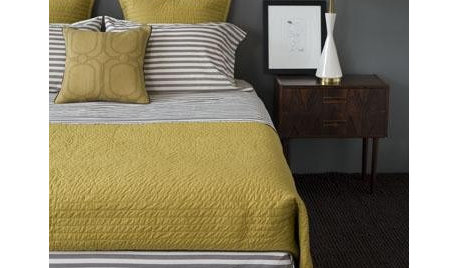
YELLOWMustard Yellow Offers a Fresh Taste for Rooms
New shades and tones have sown the seeds of a mustard-yellow revival, and rooms everywhere are reaping the benefit
Full Story
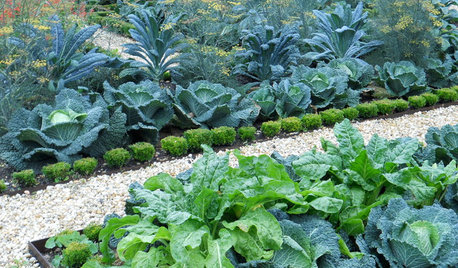
EDIBLE GARDENS10 Beautiful Edibles to Add to Your Garden
With colorful blooms, shapely leaves or jewel-like fruit, these crops look as good as they taste
Full Story

SMALL HOMESMy Houzz: Heirlooms and Family Art Fill a 1920s Bungalow
Personal touches trump a huge design budget for a Florida couple with a taste for Americana
Full Story
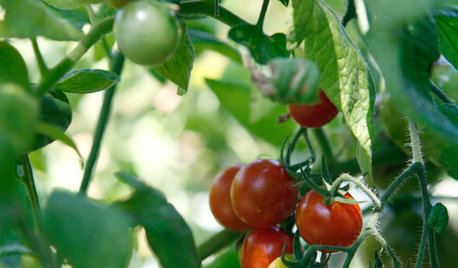
EDIBLE GARDENSSummer Crops: How to Grow Tomatoes
Plant tomato seedlings in spring for one of the best tastes of summer, fresh from your backyard
Full Story

COLOR7 Inky Colors to Use Instead of Black
Is black too stark and dramatic for your taste? Try navy, charcoal, chocolate or another alternative for a deep, moody space with character
Full Story
COLORPurple on the Outside
Are shades of grape, eggplant, lavender and plum the most daring colors for a home’s exterior?
Full Story
ENTERTAININGBeyond the Book Club: 10 Creative Groups to Start With Friends
Let the good times roll while you enjoy shared interests like wine tasting, preserving, crafting and cooking
Full Story
DECLUTTERINGGet That Calming, Minimalist Feel With Any Decor Style
Transform your home into a relaxing retreat no matter its architectural style or your decorating taste
Full Story

BATHROOM MAKEOVERSSoothing Luxury in a Beverly Hills Bathroom
A 1980s Tudor gets a revival with lots of marble and an eggplant-colored vanity
Full Story

annie1992