

Best Eating Apple
6 years ago
Featured Answer
Sort by:Oldest
Comments (77)
 6 years ago
 6 years ago
Related Discussions
Liberty apple still best resistance to cedar apple rust in Iowa?
Comments (7)I agree with you, Acer, that the choice is a contradiction. The Green Giant (Thuja) was the other contender when I narrowed down my choices. There were a few things that tilted the selection to cedar. One is that it is nearly impossible here in town to get an apple tree far enough away from junipers to avoid cedar-apple rust if the apple tree is susceptible -- the experts say something like a half-mile of distance is needed. There are probably several junipers in neighbors' yards just on my block alone. So one more juniper will not likely cause more trouble than the other existing dozens would. Second, I prefer native plants. If there were no resistant apple trees, I would plant the juniper anyway because the juniper is native. According to one source, it is the ONLY needleleaf evergreen native to this particular area. On the other hand, apple trees are the interloper here. As far as I know, no apples are native to Iowa, not even crabapples. So why plant an apple at all? Well, I have this stubborn conviction that every yard needs an apple tree because I grew up with one. Even tho it was out behind the garage and surrounded by tall shrubs and could only be seen when one was standing right underneath it, it impressed me enough to want an apple tree wherever I call home. "Home is where the apple tree grows." Third, along with being native is the observation that these junipers are found in native stands along with black walnuts, so they are already good friends and won't cause trouble between themselves. It's good to know that my trees will feel good with each other. Their driplines will be very close, maybe overlapping. Fourth, the juniper provides berries that birds enjoy during the winter and the thuja does not. Feeding wildlife is an important consideration to me. No, I have not heard of cedar-needle pie either! Haha. I'll have to work on that one -- what a challenge! But I think one can make gin from the berries. I wonder how the berries would flavor citrus-based confections like lemon pudding? Fifth was the growth rate. I think the juniper grows a bit faster than the Thuja. I can certainly afford a bigger juniper to start with because a close friend has a farm full of junipers -- he admires the tree -- and he'll dig one up to transplant. It'll be like a family connection through the tree. So I might have a useful screen in only a few years to block a neighboring apartment house window that looks down into my big patio window, which I like to keep uncurtained. When it's all added up, I am simply very happy that my stubborn, contradictory convictions can be satisfied with a really promising solution like a disease-resistant tree....See MoreWhats Best tasting cold hardy apple for zone 3-4
Comments (6)My favor is probably Honeycrisp, but as you can see in another post, it takes a long time to fruit. I have 2 of them and they still haven't fruited yet. It is a little bit marginal for zone 3/4 but mine are growing OK, but slow. If you want to consider an early apple for our zone, I'd say State Fair. I don't think the early apples are quite as good as the late ones, but at a full month earlier, they are still very good. Handles zone 3/4 easily. Haralson is a very hardy tree for our zone. Good fresh eating and very good for pies and crisps....See MoreRate storage apples for the Midwest
Comments (7)I had no idea people eat more in December than in September/October. Eating apple? I'd say Arkansas Black should be on that list. I think it would be softened by March to May in storage (although I've never kept them that long because my previous fridge was terrible). They claim 8 months with proper storage (that should take it May-June for you). A week on the countertop gets it tasting pretty good and the texture is almost there. But they don't like to cook down into sauce or my desired texture for pie even with that week's aging. I'm planning on using this year's glut of Arkansas Black for cider because I'm not that into fresh eating, a dozen saved back would suit me through the winter. For cooking (although I like sour apples for eating) if you can squeeze in Granny Smith it should keep. Sometime during this summer I bought US grown GS so it had to be stored from fall. The reason Fuji is so popular in stores is because of its storage abilities along with its taste. I don't know about a rootcellar getting you that far. Proper storage is 32° (I think apples don't freeze until 28°) and high humidity. You may get the humidity but won't get that temperature. Every 10° increase does something like halves the storage time (I could look it up in my rootcellaring book if you want the specifics on apple storage, don't keep them with potatoes)....See MoreCarlos Queen and other apple questions
Comments (22)I find, in general all apples loose flavor over time, have tested several cultivars we grow but Norkent was the only apple still crisp in April, all others were soft by Christmas. Collet was also soft my Christmas but still remained good flavor. From now on I only store these two. Flavor, firmness, crispness, appearance, depend allot by how they're stored, for some reason I hit the check pot this winter. The apples in plastic bag, [picture] held up the best, they were stored in 3 fridges, mine, mother in law and brother in law who stayed oversee for a couple of month, fridge hardly ever opened. The apples in my fridge ended up the worst, apples were all in same bags. Next year I want to test some in vacuum bags and root cellar,..if finished? I just send a letter to the head guy from our fruit growing group to see if members can show pictures and report which one's are holding up best over a long period....See More 6 years ago
 6 years ago
 6 years ago
 6 years ago
 6 years ago
- 6 years ago
 6 years ago
- 6 years ago
- 6 years ago
- 6 years ago
- 6 years ago
- 6 years ago
 6 years ago
 6 years ago
 6 years ago
 6 years ago
- 6 years ago
 6 years ago
- 6 years ago
- 6 years ago
 6 years ago
- 6 years agolast modified: 6 years ago
 6 years agolast modified: 6 years ago
- 6 years ago
- 6 years ago
- 6 years ago
 6 years ago
 6 years ago
- 6 years ago
- 6 years agolast modified: 6 years ago
- 6 years ago
- 6 years ago
- 6 years ago
- 6 years ago
 6 years ago
- 6 years ago
- 6 years ago
- 6 years ago
- 6 years ago
 6 years ago
 6 years ago
 6 years ago
- 6 years ago
- 6 years ago
- 6 years ago
 6 years ago
- 6 years agolast modified: 6 years ago
- 6 years ago
Related Stories
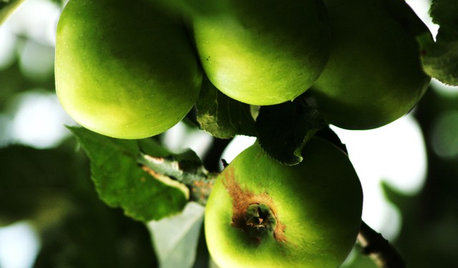
EDIBLE GARDENSHow to Add an Apple Tree to Your Edible Garden
Readily available, beautiful and fragrant, apple trees offer four-season interest along with crisp, juicy fruit
Full Story
KITCHEN DESIGN16 Scrumptious Eat-In Kitchens and What They Want You to Serve
Whether apple-pie cheerful or champagne sophisticated, these eat-in kitchens offer ideas to salivate over
Full Story
DECORATING GUIDESCrisp, Fresh: Go for Green Apples
On the Walls or Au Natural, Green Apples Pack a Decorative Bite
Full Story
COLORApple Accents: Color from the Orchard Comes Home
Cheerful reds and crisp greens inspire everything from centerpieces to bedscapes
Full Story
HEALTHY HOME12 Ways to Set Up Your Kitchen for Healthy Eating
Making smart food choices is easier when your kitchen is part of your support team
Full Story

TRAVEL BY DESIGNHouzz Travel Guide: New York City for Design Lovers
Where to stay, shop, eat and explore in the Big Apple, from a design-minded architect who lives there
Full Story
EDIBLE GARDENSWhy Grow Quince? For Beauty, Fragrance and Old-Time Flavor
Delightfully perfumed fruit and lovely spring blossoms make this apple and pear cousin worth a spot in the garden
Full Story
HOUZZ TOURSHouzz Tour: Color Brings a Family-Friendly Show House to Life
Apple green, salmon pink and bodacious blues dance through fabrics and furnishings in a Pennsylvania show house
Full Story
KITCHEN DESIGNCooking With Color: When to Use Red in the Kitchen
Candy Apple Red, Red Licorice and more for your kitchen walls, cabinets or island? The color choices are as delicious as they sound
Full Story



caflowerluver