

Help with Pickled Mustard Seed
7 years ago
Featured Answer
Sort by:Oldest
Comments (6)
- 7 years ago
Related Discussions
use of mustard seed oil for pests and diseases
Comments (3)Never tried mustard, but I soak a few crushed gloves in a gal of water, strain the cloves, spray on plants. Seems to be versatile, the deer hate the smell, the aphids and others seem to dislike it as well! I also heard about cayenne being used. Compost tea seems to work the best for me, but it could be risky. If you don't have a microscope to see exactly what organisms you are breeding, you could possibly be breeding pathogens and spraying that all of the garden(never had this happen, but it does happen). However, if you have a microscope, or are a seasoned tea brewer, you can breed beneficial life that stays on the surface of your plants leaves and soil, providing protection from pesticides, pathogens, insects, etc.. Check out: Garlic spray Compost tea Cayenne Neem oil...See MoreFlour is No-No What for Mustard Pickles?
Comments (23)kayskats - Yes, the "police" do show up at farmer's markets and farm stands, the state Dept of Ag can show up anytime (and have for several other vendors) to do a "surprise" inspection at your home kitchen, and yes, I do have to show my certification before I can sell at my quite small market (less than 30 vendors on any Saturday). The state also shows up to ensure that weighing scales have been calibrated within the last year, but that is another story. If you are caught selling BWB canned acidified foods when you do not have the cert. or are selling other stuff you shouldn't be (low acid, pressure canned, refrigerated, etc.), the Dept of Ag and the FDA could inflict very severe penalties on you and your market. We homegrown sellers have to follow pretty much what the rules are for commercial operations. One size fits all, US wide, but some states have lesser rules for farm stands and farmer's markets than my state does. Best to check with your Cooperative Extension office in your county and if they don't know, go on to your State Dept. of Ag. One comment one of my co-student's made was that if he didn't know what the rules were he would be safe from penalties. I don't think I'd buy anything from him, would you? Yes, please ask the sellers HOW their stuff was processed and if their kitchen was inspected, etc. We are consumers and should protect ourselves from bad stuff we might ingest. I even walk out of restaurants with a food grade less than "A". ksrogers - I think dry cured meats are regulated by another mega agency, the USDA. One of the vendors at my market raises cattle and hogs for cuts of meat he sells. He threw up his hands at the regs for slaughtering, curing, and/or freezing and now has a co-packer do it for him and THEY have to handle the USDA inspections and process filings which are really intense. >>I wouldn't go so far as to say that cured meat has no safety issues, because they do!Yes, I know, I make regular strawberry jam that is heated, but sadly it is not nearly as tasty as freezer jam. Horseradish, a low acid food, is not exactly stable and the pH acidification cannot be measured outside a food science lab according to my instructor, and that is why I can't sell it. It is not heated or pasteurized to eliminate bacterias, molds, and toxins, and "sealing" only means screwing on the cap. Refrigeration and acidification keep it stable and unable to grow the bad stuff because of refrigeration. That is also why it is sold refrigerated and you are admonished on the label to keep it refrigerated after opening. Commercial processors ship in refrigerated trucks from refrigerated manufacturing and storage facilities, and they go directly to the refrigerated section of the grocery store. That is something that can't be duplicated in a home processing environment or at an open-air market. Also, adding more vinegar doesn't necessarily make it safer because we can't measure the pH of the horseradish's vegetable interior at home, and with pH meters and test strips all we are doing is measuring the vinegar's pH. BTW - shelf stable jams and jellies are exempt from these regs because they have low water activity and a low pH. Since they are also packed at high temperatures, they are not likely to harbor harmful food borne illness organisms. Molds are the most likely bad thing to form but that is usually from not having sterilized the jars or not heating the lids enough (or, dirty hands packing them, airborne dust in a room with a fan, using overly ripe or moldy fruit, etc. etc.). I can sell as many variations of jelly and jam as I want at market. Without a cert. but with a kitchen inspection. Nancy...See MorePickled Green Tomato help ASAP!
Comments (23)I am getting tired just thinking of all this, LOL. Basically, if your onion is within the amount for a halved recipe of the BBB and you're not adding green peppers but using raisins instead, you should be fine. Both apples and green tomatoes are acidic, the green tomatoes being more acidic, so if you change the proportions to include more green tomatoes and fewer apples than the BBB recipe calls for that's fine as long as it tastes OK. The main thing is to have enough vinegar-sugar syrup that the chutney is not too dry. Since the product has already been thoroughly acidified with the previous cooking, it seems principally a matter of heating through and sufficiently to blend flavors and plump the raisins. Your salt levels are not an issue, nor are the differences in time. You used less salt and didn't rinse while the BBB used more salt and did rinse. All-in-all the result is pretty much the same. Salt, sugar, spices are all flexible in this recipe. It's an undiluted vinegar-sugar solution with a low level of onion, so you have some latitude without the safety concerns of a salsa, for instance. So go by taste; when it tastes good and is the right consistency, jar it up. With a chutney there are fewer concerns with texture, so if your canner can't accomodate all you make, you could do two separate batches in the BWB with no problems. I hope this helps. Things have gotten a little confusing, but what you're doing is no different than many previous-generation cooks who often created excellent recipes from what was essentially a salvage operation. Take notes. You'll hate it if everyone loves what you came up with and you can't recreate it. Carol...See MoreGarlic mustard seed
Comments (18)Folks, go to your local Girl Scouts and ask for help from Brownies (gr 1-3) & Daisies (kindergarteners). We live near Bowman's Hill Wildlife Preserve in Bucks Co, PA and a fave service project of local GS troops is to go there & pull the flowering garlic mustard in May. Bowman's Hill has volunteers come in & pull the GM every year -- but they always have trouble getting enough people. 10 Brownies x one hour pulling = 10 hours pulling by one adult. And the plants are unmistakable when they are blooming, and very shallow rooted so easy for a child to get. The girls pile them at the sides of the trail for later collection. Obviously this is done with tight supervision & in selected areas, when done by kids in a wildflower preserve. I dig it up in my yard & frankly I have little trouble pulling. A stubborn one might need a bit of help from a trowel. If I had larger property & as much GM as you seem to have, I would find a local GS troop & offer pulling it as a service project -- and also include juice & snack after the pulling & a little "presentation" about native plants or butterflies or whatever, etc. I would approach the troop leader talking about various nature badges & the plants being non native invasives. The badges all have service components to them & pulling non native invasives is a great way to get that part done. You don't want to sound like you are trying to get free yard work; you want to sound like you are offering a badge opportunity & helping to eradicate invasives. If knee surgery or arthritis are part of what's keeping you from getting the weeds, you mention that, too....See More 7 years agojunco East Georgia zone 8a thanked sleevendog (5a NY 6aNYC NL CA)
- 7 years ago
- 7 years ago



Related Stories
GARDENING GUIDESKeep Your Cool in the Garden — Here’s What to Do in August
Don’t let summer’s heat go to your head. These U.S. gardening guides will help you make sensible choices for all of your plantings
Full Story
EDIBLE GARDENSNatural Ways to Get Rid of Weeds in Your Garden
Use these techniques to help prevent the spread of weeds and to learn about your soil
Full Story
GARDENING GUIDESDo You Have This Invasive Plant in Your Yard?
Garlic mustard is spreading across the U.S. Here’s how to spot it and what to do
Full Story
KITCHEN PANTRIES15 Smart Ideas From Beautifully Organized Pantries
See cabinetry and lighting setups that can help keep your food and supplies in good order
Full Story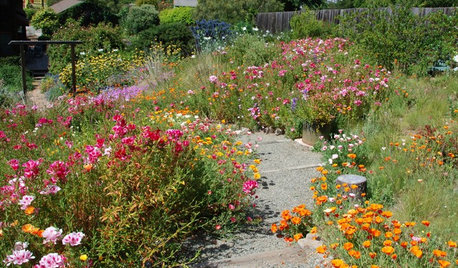
EARTH DAYHow to Design a Garden for Native Bees
Create a garden that not only looks beautiful but also nurtures native bees — and helps other wildlife in the process
Full Story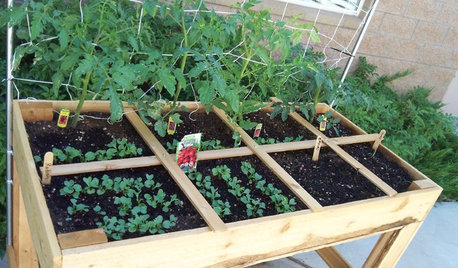
GARDENING GUIDESMaximize Harvests With Square-Foot Gardening
This efficient edible-gardening technique can help people who are short on space
Full Story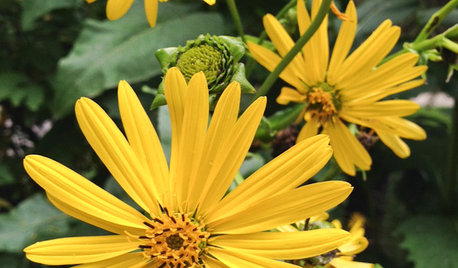
GARDENING GUIDESGreat Design Plant: Silphium Perfoliatum Pleases Wildlife
Cup plant provides structure, cover, food and water to help attract and sustain wildlife in the eastern North American garden
Full Story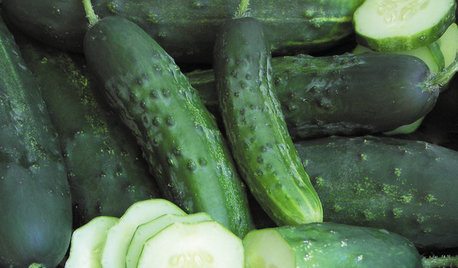
SUMMER FRUITS AND VEGETABLESSummer Crops: How to Grow Cucumbers
Pick a peck for pickles or opt for fewer and raw — no matter how you slice them, cucumbers are great for summer gardens small to large
Full Story
DIY PROJECTSUpcycle Furniture Finds With Paint
There are products out there designed to help you transform your thrift-store scores
Full Story
FARM YOUR YARDHow to Set Up a Productive and Beautiful Edible Garden
These 8 design strategies will help you design a hardworking kitchen garden that’s as gorgeous as your ornamental beds
Full StorySponsored

Central Ohio's Trusted Home Remodeler Specializing in Kitchens & Baths
sleevendog (5a NY 6aNYC NL CA)