

Stuffing with white & whole wheat bread ?
7 years ago
Featured Answer
Sort by:Oldest
Comments (6)
Related Discussions
Grainlady, Your Whole Wheat Bread....
Comments (2)No trouble at all. I have to credit my dear friend Mildred with this recipe. I have a sponge setting as I type. -Grainlady 100% Whole Wheat Bread Bread Machine Recipe (changes for making it by-hand towards the end) Sponge: 3/4 c. lukewarm buttermilk (I use homemade kefir.) 3/4 c. lukewarm water 2-1/2 c. freshly-milled white whole wheat flour (Prairie Gold from Wheat Montana is my favorite wheat) 1/4 t. ascorbic acid* 2 t. SAF-Instant Yeast Mix these ingredients in the bread machine pan and set the machine to QUICK DOUGH. As soon as the mixture is well mixed, unplug the machine and allow to sit (with the lid closed) at least 2-1/2 hours or up to 12 hours (or something in-between - I usually use a 2-1/2 or 3-hour sponge, or overnight. You may want to extend this time if using hard red wheat flour to closer to 8-12 hours for a more mild flavor). After the sponge has set, with a soft spatula, mix these ingredients into the sponge: 2 T. melted coconut oil (or butter or veg. oil) 2 T. agave nectar (or honey) 1 egg (option: I also add 1/3-1/2 c. chia seed gel. **) Add to the top of the sponge mixture in the pan: 2-1/4 c. freshly-milled whole wheat flour 2 t. salt (on top the flour) Set the bread machine on regular DOUGH cycle and process. Check the dough to make sure it's formed into a nice soft ball and adjust the hydration as needed. Grainlady changes: I process the dough in the bread machine until the dough is mixed and kneaded. I don't let it raise in the machine. I place the dough in a dough rising bucket, place the lid on the top and allow the dough to rise ALMOST double. Whole wheat dough doesn't have the extensibility that white bread dough does, so try not to let it go more than double. Using a dough rising bucket helps you to accurately judge when dough has doubled. For this recipe a 2-quart container with a tight-fitting lid works perfectly. Back to original recipe: After the bread machine finishes the dough cycle (or has doubled in the dough rising bucket), dump the dough onto a Silpat. With oiled/greased hands, deflate the dough by pushing it in the middle with your fist then drawing all edges of the outside dough into the middle (turning the dough inside-out so to speak). Divide the dough into portions (I scale the dough for accuracy.) Round each portion (make it into a smooth ball) so that all the gluten strands are going into the same direction. Cover; allow to rest 10-15 minutes so the gluten relaxes. Form dough (with oiled hands), pan, cover with plastic wrap for the final proofing - etc.... Two loaves - 375F - for 20-25 minutes or until internal temperature of the loaves are between 190-200°F. I make this bread into 3 small loaves (7-1/2x3-1/2-inch pans - 350°F for 20-25 minutes ------------------------------------------------------ * ascorbic acid powder is available at most health food stores. It's a very important ingredient when you make bread that includes wheat germ, which is in whole wheat flour. There is a substance in wheat germ called Glutathione. This substance breaks down the gluten and can result in a short loaf. The bran in whole wheat bread can also cut the gluten strands which results in a short squatty loaf. The sponge helps to soften the bran. The addition of 1/8 t. ascorbic acid per loaf of bread will counteract the negative effects of Glutathione. It will help prevent the gluten bonds from breaking down and will also help repair gluten bonds that have been broken. The ascorbic acid also helps sustain the leavening of bread loaves during baking. Yeast grows longer and faster when there is also ascorbic acid. Do not add it to sourdough recipes because they are naturally an acidic atmosphere. ** Chia seed gel is a mixture of chia seeds and water (1 part chia seeds to 9 parts water or 1/3 c./2-oz. to 2-cups water). This mixture thickens as the seeds absorb the water and adds hydration to the crumb of the loaf and keeps the bread softer longer. It looks like poppy seeds in the bread after it's baked. Excellent nutritional boost and additional fiber. BY HAND, place sponge ingredients in a glass or plastic bowl and mix the sponge ingredients together with a Danish dough whisk (or a wooden spoon) and beat the ingredients about 100 strokes. Cover, and allow to sit at room temperature at least 2-1/2 hours. After the sponge is done: add the flour gradually to the sponge mixture using a Danish dough whisk (or wooden spoon) and carefully beat in each addition of flour before adding more. You may end up beating the dough 500-800 strokes, but do as much mixing as you have the strength to do. If you need to stop and rest, that's fine. The rest will allow the dough to hydrate. Towards the end of mixing, add the salt (DON'T FORGET!!!). The gluten will tighten up and make mixing harder after adding salt. The better job you do of mixing the dough and developing the gluten while it's in the bowl, the less time you'll need to knead it. When you knead the dough, avoid adding a lot of bench flour. If you have a problem adding too much flour during kneading, grease/oil your hands during kneading instead - especially during the last 2-3 minutes of kneading. Complete per recipe above... --------------------------------------------------------- The link below has a similar recipe: (scroll down the page to locate the recipe) Old-fashioned 100% Whole Wheat Bread (source: "The Bread Bible" by Beth Hensperger) -Grainlady...See MoreWhole wheat bread help?
Comments (6)? Are you absolutely sure it is 100% WHOLE wheat flour or is it labeled "wheat flour"? "Wheat flour" would include unbleached and bleached flour as well as whole wheat flour because it is all derived from wheat - hence - "wheat flour". ? Are you talking about a panned loaf or free-formed? The suggestions shared above are great resources and a good place to begin studying the subject. My biggest suggestion is to use an older bread-making method -sponge/pre-ferment/soaking method - instead of the more common direct dough method. The direct dough method was developed to make bread quickly and isn't as good a choice for 100% whole wheat breads. I was never happy with my 100% whole wheat bread recipes until I started using an overnight sponge (and no less than 1-1/2 hour if I was in a "hurry"). I also think it's important to add an acid due to glutathione in wheat bran, a substance that will have negative effects on bread by preventing the gluten from bonding, another reason for short squatty loaves of whole wheat bread. I always added 1/8 t. ascorbic acid per loaf, but you will find recipes that include lemon juice or vinegar as the acid. Yeast grows best in a slightly acidic medium, and the acid will counteract the negative effects of glutathione, and will allow the yeast to work longer. The acid helps promote yeast growth which aids the yeast to work longer and faster. Most yeast products includes ascorbic acid in the yeast for the same reasons. If you are making a naturally-fermented bread (aka sourdough - and an even better method for a LOT of reasons), do NOT add an acidic ingredient because it is already acidic. -Soaking 100% whole wheat flour will soften the bran AND develop the gluten without manipulation (kneading) - or it will take less kneading. -Bran (in the whole wheat flour) has sharp edges which tend to cut the strands of gluten during kneading and results in a short, squatty loaf of 100% whole wheat bread. The Sue Gregg link below has more information that you may want to file or print. -Grainlady This post was edited by grainlady on Mon, Apr 21, 14 at 13:13...See MoreSoft whole wheat/miulti grain bread...can you make this?
Comments (18)White whole-wheat (also called whole wheat pastry flour) will yield a softer bread and still have the fiber. The vital wheat gluten is a must. Here is David's (Lakeguy) recipe which I have saved but have yet to make (still no oven, but soon!). It looks great. Struan Bread Makes 1 large loaf or 2 small loaves Soaker 3 tablespoons polenta 3 tablespoons rolled oats 2 tablespoons wheat bran 1/4 cup water Dough 3 cups unbleached bread flour 3 tablespoons brown sugar 1 1/2 teaspoons salt 1 tablespoon instant yeast 3 tablespoons cooked brown rice 1 1/2 tablespoons honey 1/2 cup buttermilk 3/4 cup water topping 1 tablespoon poppy seeds Mix together the ingredients for the soaker. Cover and allow to soak for at least half an hour or as long as overnight. In a larger bowl, combine the dry ingredients, then stir in wet ingredients and soaker. Add more flour or water until the dough can be formed into a ball that is tacky but not sticky. Place the ball of dough on a clean work surface and knead it for 10 to 12 minutes, then return it to the bowl. Cover the bowl with plastic wrap and allow the dough to ferment until doubled in size, approximately 90 minutes. Remove the dough from the bowl, degas it gently, and split it for two loaves or shape it as is for one. Place the loaves in greased bread pans, spritz or sprinkle water on top, and sprinkle a handful of poppy seeds on top. Cover the pans loosely with plastic and allow the loaves to rise until doubled in size again, approximately 90 minutes. Bake these loaves at 350 for 40 to 60 minutes, until the internal temperature is around 190 degrees. When ready the loaves will be quite brown on top and will make a hollow thud when tapped on the bottom. Nothing like homemade bread...I love it! David...See MoreWhite whole wheat flour vs. reg. whole wheat
Comments (7)Yes, white whole wheat flour can be used for cookies. And yes, there is hard and soft white wheat as plllog explained. There are also spring hard/soft white or red wheat and winter hard/soft white or red wheat to get even more complicated than things really need to be. And don't forget durum wheat (the type of wheat best used for pasta/noodles) and all the ancient varieties. Before going gluten free, I used a large number of wheat varieties: durum, hard spring white, hard winter white, soft spring white, hard winter red, hard spring red, triticale (a hybrid of wheat and rye), as well as spelt, kamut, and einkorn (ancient varieties). I saved soft white wheat (because it was so expensive -purchased from Bob's Red Mill) for some (not all) quick breads, biscuits, and pastry, as well as for cakes (especially delicate chiffon and angel food cake). I would use a 3:1 mix of soft white wheat and spelt OR oat groats (milling flour myself) for a low-protein flour similar in protein to cake flour. I also milled rye, barley, sorghum, and many other grains/seeds/beans for flour. I milled the mixture of grains into a very fine flour and made sure to sift it (removing any large pieces of bran) before using it for cake. Since you may not have any soft white wheat flour available for your cookies, just make sure when making cookies (or anything leavened with chemical leavening - soda, baking powder) NOT to over-mix them or you will develop too much gluten and will get tough cookies or baked goods using regular (hard) white whole wheat flour. This is yet another time I suggest using a Danish Dough Whisk (or a wooden spoon) instead of a stand or regular mixer. Keep mixing to a minimum once the flour has been added. If you use white whole wheat flour in a recipe that is designed for bleached or unbleached all-purpose flour, you may find you need to add a little more hydration, OR reduce the amount of whole wheat flour by 1-tablespoon from each cup of flour called for in the recipe, and adjust accordingly, if needed. If you can find recipes that specifically call for whole wheat flour you will find you have better results until you get accustomed to using it. Check your public library for wholegrain cookbooks. The recipe at the link below from the Kansas Wheat Commission is one of my favorites using 100% whole wheat flour :-). This recipe will work with either white or red whole wheat flour, but white whole wheat works best due to the flavor differences. If you want to kick it up a notch, add 1/8-1/4 t. of Fiori di Sicilia (an all-natural citrus and vanilla scented flavoring from King Arthur Flour - but caution, a little goes a long way). You may want to take a look at their recipe collection for a lot of great recipes using whole wheat flour. I've collected the Kansas Wheat Commission Recipe Books for years (free when you attend the Kansas State Fair in Hutchinson, KS) and have them going back several decades. -Grainlady Here is a link that might be useful: Whole Wheat Sugar Cookies...See More- 7 years ago
- 7 years ago


Related Stories
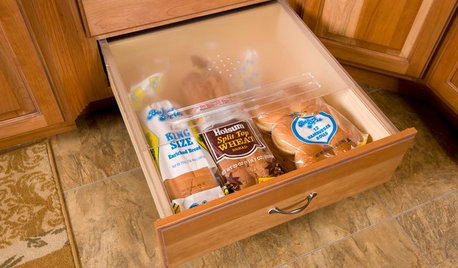
DESIGN POPBakers’ Home Storage Tips for Sliced Bread’s 90th Birthday
In honor of the bread slicer’s debut in 1928, we offer the best bread storage tips since, well ... you get it
Full Story
HOUZZ CALLChristmas Stockings Stuffed With Memories
The chimney-side socks may come and go, but the love they represent is constant. What’s the story behind your stocking?
Full Story
KITCHEN DESIGNA Designer Shares Her Kitchen-Remodel Wish List
As part of a whole-house renovation, she’s making her dream list of kitchen amenities. What are your must-have features?
Full Story
LIFE21 Things Only People Living With Kids Will Understand
Strange smells, crowded beds, ruined furniture — here’s what cohabiting with little monsters really feels like
Full Story
LIFEHouzz Call: What Makes Your House Feel Like Home?
Sometimes just one thing gives you that warm and fuzzy feeling. Let us know what it is for you
Full Story
KITCHEN DESIGNKitchen Accessory: The Breadbox
The breadbox — freestanding or built-in — still has a place in the modern kitchen
Full Story
LIFESimple Pleasures: The Joy of Baking
Fill your house with a heavenly scent and your heart with cheer by making time to bake
Full Story
KITCHEN DESIGNHouzz Call: Tell Us About Your First Kitchen
Great or godforsaken? Ragtag or refined? We want to hear about your younger self’s cooking space
Full Story
HOUSEKEEPINGHow to Clean Your Fridge, Inside and Out
Keep your refrigerator clean and fresh, while you gain storage space and lose those ‘UFOs’
Full Story
KITCHEN DESIGNRemodeling Your Kitchen in Stages: Planning and Design
When doing a remodel in phases, being overprepared is key
Full Story
cookebook