

suet feeder above daylilies
8 years ago
Featured Answer
Sort by:Oldest
Comments (7)
Related Discussions
suet recipe with crisco instead of lard?
Comments (32)Hi, Thank you Lisa for recommending sialis.org. They have a LOT of great suet recipes. This is what they say about lard vs. vegetable shortening: "(Beef or Sheep) Suet vs. (Pig) Lard vs. Vegetable Shortening (Crisco, etc.): All work in suet recipes, as long as you adjust the dry ingredients (e.g., flour) to keep the texture crumbly. Vegetable shortening has a longer shelf life. Suet in its raw form should be avoided. Beef suet may turn rancid when temperatures exceed 70 degrees. When melted and clarified, beef suet is called "tallow." Tallow is less likely to go rancid over time; however it is not easily digested by birds because it is high in saturated fats. Some birders are concerned about the health impact of using vegetable shortening. * A nutritionist at the San Diego Zoo indicated that there is no health risk associated specifically with vegetable oil. * Dr. Sean Pampreen, an avian vet in Marlborough, CT, indicated he did not think that vegetable shortening used as a binder in suet (which is only a supplemental food for wild birds) would cause digestive problems, especially since sunflower, millet and peanut are about 45-56% oil. * Bill Whittaker of Four Nature's Keepers says saturated fats (such as in suet) are more difficult/require more energy for birds to digest than unsaturated fats (such as in vegetable shortening). They also found in field tests that after a familiarization period, birds prefer vegetable shortening. * Dr. Kirk Klasing, Professor of Avian Nutrition at UC Davis, said that very high amounts of fatty acids are difficult to emulsify by the bile, lowering digestibility. Adding a source of unsaturated fats, such as vegetable oil or lard, improves digestibility (e.g., 80% tallow, 20% vegetable oil or lard is a good combination - you can adjust the proportions to give the melting point desired). Peanut butter also works to increase digestibility of tallow because it is high in unsaturated fats. He was not aware of any evidence for a laxative effect of vegetable oil. Like tallow, vegetable shortening is solid at room temperatures. However, the hydrogenation used to make shortening results in lots of trans fatty acids. Though we don't know for sure, it is likely that the trans fatty acids are less healthy than "natural" cis fatty acids (unhydrogenated oils). In chickens, high levels of trans fatty acids deplete antioxidants in the tissues. It would be best to avoid high levels of vegetable shortening. * Crisco does make a zero-trans-fat shortening (in a green container.) * Another alternative is soybean shortening without additives, at as low a melting temperature (less saturation) as you can use to make an acceptable food. In terms of protein content, suet has about 0.4 grams of protein/oz. in it; lard and vegetable shortening have none. Both suet and vegetable shortening have about the same amount of calories and fat content. Beef suet has more saturated fat which may be harder to digest. JL Peterson found bluebirds preferred recipes made with suet. A friend reported bluebirds in her area preferred Crisco-based suets. Crisco does offer a zero-trans fat product. If you're concerned about using either of these ingredients, you can replace them with extra peanut butter until the mixture reaches the desired consistency." So, I will definitely be using vegetable shortening, I'm going to see if they have an organic version at the health food store. It just doesn't feel right to me to help out some animals by feeding them other animals. I'm also going to use raw peanuts and seeds instead of commercial peanut butter, like the birds would naturally eat. Cooking food kills all the enzymes which are so necessary for cells to be able to use the nutrients in the food. Here's the page where I got this info: http://www.sialis.org/suet.htm#crisco Best wishes, fellow bird lovers! April Here is a link that might be useful: Sialis info on crisco/vegetarian suet...See MoreKeeping Feeder(s) Filled w� Nesting Tree Swallows in the Yard?
Comments (4)The last couple years I had Bluebirds nesting in snags in the back yard (both snags have since fallen over). I cut way down on the food in the feeders, which I usually do anyway in the summer, because I didn't want to attract House Sparrows. Would put out a little BOSS, but only put out the home-made suet nuggets if the Bluebirds wanted some. This Spring, I had a pair of Baltimore Orioles nesting in a large Pin Oak right above the feeders. Did the same thing, cut down on the food in the feeders, because the Orioles were very territorial about the tree. They were especially aggressive towards Blue Jays, Grackles, and Crows so I stopped throwing any tidbits on the ground (like old corn chips, which the Jays and Crows like). So I would favor the security of the nesting birds. During the summer and fall, there are normally abundant natural sources of food, so feeders are not critical. Birds eat a lot of insects and feed their young insects, so they are unlikely to starve if you aren't feeding them....See Moresuet feeder height.
Comments (16)You are probably correct about the corn and millet but my intended purpose is to photo document as many species of birds as I can. To that end I put out a large variety of foods that will attract all birds, whether they are consodered desirable or not. In fact,as long as I keep the feeders full I see very little actual competion between any of the species. Now I will freely admit that sometimes I have to refill the feeders 2 or 3 times a day and I scatter a considerable amount of seed as well as Bread, orange peels and apples on the ground but I get the apples free and 10 loaves of bread for a dollar, and there is an upside to this method. 1. The Squirrels actually prefer the bread.: . 2. generally the starlings and sparrows prefer to feed on the ground, here again, often preferring the bread to the seed, not to mention that there is a flock of 31 wild turkeys that come in shortly after daylight to get the bread and corn that is left on the ground. Even the Bluejays and Cardinals prefer to feed on the ground and often I see a half a dozen species of birds feeding right alongside a squirrel or chipmonk and on two oc occasions I have seen a groundhog feeding with the birds. Now I am sure that I could get a more selective clientele if I changed the menu but at my house Nobody goes away hungry....See MoreAnyone else making their own suet cakes?
Comments (3)I put a fresh cake of commercial pure suet out and it wasn't touched. I recently bought some real beef suet from the grocer and noted a hairy woodpecker chipping away at it today. I've tried the suet cakes with seed in them but it appears the birds prefer just the plain ones. However, I'm puzzled why they're just not feeding like they used to....See More 8 years ago
- 8 years agolast modified: 8 years ago


Related Stories
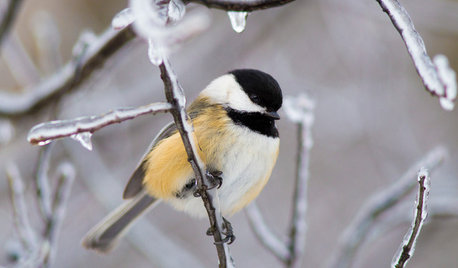
GARDENING FOR BIRDSBackyard Birds: Marvel at Chickadees This Winter
These North American natives flock to bird feeders and entertain with their complex birdcalls
Full Story
GARDENING GUIDESNew Ways to Think About All That Mulch in the Garden
Before you go making a mountain out of a mulch hill, learn the facts about what your plants and soil really want
Full Story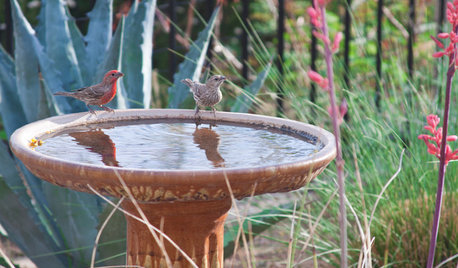
GARDENING GUIDESMake Your Garden a Haven for Backyard Birds
Create a bird-friendly habitat in your yard with food, water and shelter
Full Story
GARDENING FOR BUTTERFLIESA Quick-Start Guide to Bird-Watching for Fun and Learning
Set out some seed and grab your field guide. Bird-watching is an easy, entertaining and educational activity for the whole family
Full Story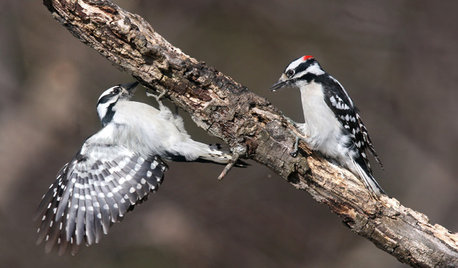
GARDENING FOR BIRDSBackyard Birds: How to Identify Two Common Woodpeckers
Downy and hairy woodpeckers have similar coloration and behavior. But there are two big differences that separate them
Full Story
GARDENING FOR BIRDSFeed the Birds: 6 Plants for Abundant Winter Berries
Be kind to your fair feathered friends during lean food times by planting a shrub or tree loaded with nutritious snacks
Full Story
GARDENING FOR BIRDSBackyard Birds: Meet Some Clever and Curious Jays
Boisterous jays provide plenty of backyard bird-watching in winter. Here’s how to identify all the varieties and welcome them into your yard
Full Story
GARDENING GUIDESBackyard Birds: How to Care for American Goldfinches
The American goldfinch is a bright-in-the-summer visitor and one of the only vegetarian songbirds. Here's how to give them a healthy habitat
Full Story
GARDENING GUIDESBackyard Birds: Invite Entertaining Hummingbirds Into Your Garden
Hummingbirds — unique to the Americas — zip through open landscapes seasonally or year-round. Here’s how to attract them
Full Story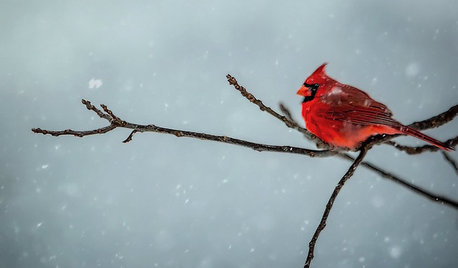
GARDENING GUIDESBackyard Birds: Northern Cardinals in the Snow, and Other Red Birds
Brilliant crimson feathers make these friends stand out in a crowd
Full StorySponsored
More Discussions
catherinet