

Winter Bird Feeding- What's On the Menu Today
8 years ago

Featured Answer
Sort by:Oldest
Comments (8)
 8 years ago
Related Discussions
happy november, what did you feed your loving cp today?
Comments (42)Finally had the chance today to do some more work on the pile containing the very old bucket of fish. It still smells rather horrid, but whether it's the fish, the rotting pumpkins or something else - who knows. In fact, much of the fish is rotting, with just the bones and fins evident. Anyway, today I added to the pile: --four paper grocery store bags of shredded or cut up paper napkins, plates, cups, torn up boxes that had contained teas, bandaids, and etc. + many many many many tissues and such. --the paper bags. --one very large plastic bag of Starbucks espresso grounds and two smallish silver Starbucks bags of coffee grounds, with filters. --about 12 pumpkins, squashes, and gourds, already rotting. --contents of compost bucket, mostly veg and fruit stuff, tea bags, coffee grounds from our French press, but also shrimp shells and the paper the shrimp came wrapped in. --coffee from a large bag of coffee in a cardboard box, can't recall which place it came from; this stuff's intended for parties and such --medium-sized bag of leaves, mostly maple, that someone conveniently left next to their garbage can. Naturally, I liberated it. :)...See MoreFeeding & attracting & photos of winter birds
Comments (15)I feed the birds all year sort of. They start with cleaning off the sunflowers that they plant the previous fall and continue to clean off the grasses, berries, and corn that I sometimes grow just for them. Of course I have water out all the time for them and a heated dish in the winter. I feed the big birds cat food with bread or cereal in it. They get any left overs when I cook a turkey or ham. I make my own concoction of peanut butter, prunes, hulled sunflower seeds, rolled oats, millet, black oil sunflower and a few other things they like to pick at. I buy millet, black oil sunflower and striped sunflower by the sack and keep it in large bins in the hall along with peanuts,hulled sunflower seeds, oats and rabbit pellets. Once in a while I will give them a treat of meal worms from the petstore or cut up fruit. And sometimes I will get a seed bell or spray millet just to watch them. I also ground up dry catfood last year and put it in the feeder. The little birds get much needed fat and protein to keep warm that way. I have the usual black and white feather dusters, the blue jays, lots of chickadees (black capped and boreal), nuthatches (red and white breasted), woodpeckers, northern flickers, juncos, finches, sparrows, the odd grosbeaks, waxwings, and redpolls and I even had a kestral last spring. Not many crows unless it is a really warm winter. My computer is in the corner of the front bedroom where there are the old corner windows. I feed the birds from about 5 feeders and baskets hanging from the big white spruce about 2 feet from the corner of the house here. I feed the rabbits under the tree and the dish feeders on the fence from big heavy ceramic dishes. It is such a routine for me to feed the birds after I feed the dogs on winter mornings. My neighbours are used to the crazy lady in her fleece pjs out feeding the birds every morning and the dogs go out and wait by the fence for the maggies to drop food for them. Quite the scene to watch! The maggies are very comical and they literally talk to me. I can't stand to see anything go hungry or be cold and the little birds seem to like to feast under the protective branches of this 50 foot spruce. My neighbour across the street says she likes to sit with her coffee in the morning and watch the bunnies and birds eating. And that reminds me: Must find a bale of hay for the bunnies. Last year I fed a cat all winter but coudln't catch her. She left me mice most mornings under the kennel....... I hope we have a mild winter or at least get some snow. It is bitterly cold without a little insulation. Ginny...See MoreWinter birds & feeding
Comments (9)Yes, it's reasonable that house finches and pine siskins are around your area, and that they spend the winter. My sister has had house finches at their place in the Saskatoon area, year-round, for the last 15(?) years, likely more (and breeding records a few years after they started showing up). For the first time, we've had house finches here for a sustained period and they nested successfully in our neighborhood - will have to keep an eye out to see if they winter. Regardless of the mixed opinions the birding world has of their spread, it sure is nice to have colorful birds around that sing year-round, not just in the courting season. Pine siskins kind of come and go - they are around all summer and most winters here, but we didn't notice any last winter. Chickadees are always reliable! You didn't mention them, but I'm sure you have them. You can also expect redpolls at some time during the winter, especially if there is a lot of snow in the north, and they are pushed south to feed - keep an eye out for hoary redpolls among them (extremely short-billed, "frosty" birds). When a flock of redpolls shows up, you'll go broke keeping the niger feeders full, LOL! Siskins also tend to favor niger, so I'm surprised they're not pigging out. Also, evening grosbeaks - they seem to be especially attracted to lilac seeds (lots of lilac hedges in small towns in Sask!), and will eat sunflower. Other likely possibilities are pine grosbeaks, red crossbills, white-winged crossbills, particularly if there are any groves of spruce around - these tend to be roaming, and will come and go. Re. other regulars at your feeders, you can probably expect to see white-breasted or red-breasted nuthatches or both, and downy and hairy woodpeckers are a given. The odd flicker that winters over (quite common here) may also show up. They all like suet and peanut/peanut butter feeders. Blue jays also like peanuts...and if you put out unroasted peanuts, will bury them all over (no big deal and which we actually found kind of fun - it caused me to learn what peanut plants look like, LOL!) We haven't really had great success with putting fruit out in winter - though my sister finds it to be wildly popular in spring with the migrating songbirds when late storms hit. (She's also have had great results with fresh fruit and melon through the summer for orioles, robins, cedar waxwings, catbirds, warblers.) By the way, most of these "nonmigratory" birds don't have distinctly different plumages between adults and immatures (unlike, say, warblers and some of the other summer migrants) - so identification will be a little easier for a while. Female and immature house sparrows can always be distinguished by their, shall I say, lack of distinguishing characteristics? They are large, have that distinctive conical bill shape, and otherwise are just kind of...grey-brown. With more observation, I'm sure you'll be able to pick them out of any......See MoreTiny bird feeding great big bird at feeder
Comments (9)I almost posted an observation along these lines several weeks ago. In a one-week span I noticed three separate cowbird chicks all being attended to by blue-grey gnatcatchers. There was always a single cb chick to each set of birds, and never any sign of additional BGGC chicks vying for the food. In that same time span I also noticed a CBchick being fed by a pair of indigo buntings. It's not hard to find them as they are very raucous and conspicuous. I am curious how the numbers and densities of birds most typically affected by CB predations are doing here because we have hordes of cowbirds, yet I always hear/see vireos and thrushes and others that are prime targets for parasitism. I check my nest boxes regularly and destroy any CB eggs in the hopes that at least my small wooded acreage can better sustain songbirds in a time of decline, but we live in farmland with any remaining wooded areas being highly fragmented. Flocks of winter 'blackbirds' are usually groupings of redwings, starlings, grackles and cowbirds fattened up on a steady and readily available farmland diet. I only wonder what our songbird demographics will do in the next few decades....See More 8 years ago
 8 years ago
- 8 years ago
- 8 years ago
- 8 years ago
- 8 years ago
Related Stories
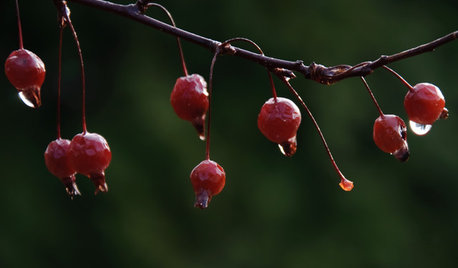
GARDENING FOR BIRDSFeed the Birds: 6 Plants for Abundant Winter Berries
Be kind to your fair feathered friends during lean food times by planting a shrub or tree loaded with nutritious snacks
Full Story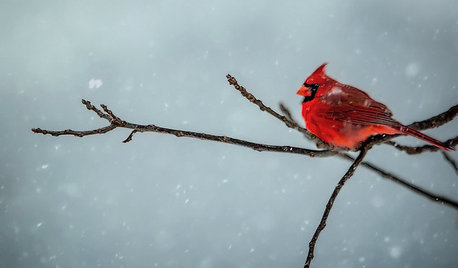
GARDENING GUIDESBackyard Birds: Northern Cardinals in the Snow, and Other Red Birds
Brilliant crimson feathers make these friends stand out in a crowd
Full Story
MOST POPULARHouzz Call: Show Us Your Winter View!
Share pictures of your home and garden in winter — whatever your climate, architecture and plantings
Full Story
EARTH DAYHow to Help Your Town’s Beneficial Birds and Bugs
Make a habitat using local materials to provide a home to the creatures that help our gardens
Full Story
HOUSEKEEPINGWhy Cleaning Window Screens Should Be Part of Your Winter Strategy
Dirty mesh blocks light, heat and views. Learn how to keep screens looking good and if they should be put away until spring
Full Story
GARDENING GUIDESBackyard Birds: Invite Entertaining Hummingbirds Into Your Garden
Hummingbirds — unique to the Americas — zip through open landscapes seasonally or year-round. Here’s how to attract them
Full Story
GARDENING FOR BIRDSWild Birds Transform a Woman’s Garden and Life
How Sharon Sorenson created a wildlife haven and became the Bird Lady of Southern Indiana
Full Story
GARDENING FOR BUTTERFLIESA Quick-Start Guide to Bird-Watching for Fun and Learning
Set out some seed and grab your field guide. Bird-watching is an easy, entertaining and educational activity for the whole family
Full Story
LIFE6 Ways to Beat the Winter Blahs
Snow and dark days dampening your spirits? These ideas will have you looking on the bright side
Full Story
LIFEShare Your Winter Storm Jonas Photos and Survival Tips!
Let’s see your pictures and hear your ideas on how you’re keeping your house warm and staving off cabin fever
Full StorySponsored
More Discussions
ZachS. z5 Platteville, Colorado