

August Brings the Sheaves of Corn . . . and a Harvest of Books
9 years ago
Featured Answer
Sort by:Oldest
Comments (50)
 9 years ago
- 9 years agolast modified: 9 years ago
Related Discussions
best taste in fruit testing, consecutive harvest times
Comments (9)I think you would get a better response on the fruit forum but here is my 2 cents: ---APPLES--- While you can fruit just about any apple irregardless of how many chill hours is claimed it needs, you must consider that some apples will turn to mush in a hot summer area (some apples need a cool summer to taste their best) ditto for blazing Indian summers (fall). I have not heard anything about Honeycrisp being an option in warmer areas but it could be that no one has experimented with it yet. Fuji, Golden Delicious, White Winter Pearmain, Anna, Dorsett Golden, Newtown Pippin have been tried and proved excellent (I live in a hot inland valley). There are some excellent books on apples, Apples for the 21st Century is one, there is a good eBook on growing apples in Riverside (applenut is on this forum) I think the website is Kuffelcreek.com. Honeycrisp aug Winter hardy tree from the University of Minnesota. Fruit is crisp and juicy with an aromatic flavor. Striped red over yellow color. Stores well. Ripens from late September to late October. Patent # 7197 Ashmead's Kernel sept Widely regarded as one of the all-time best-flavored apples. Small to medium-sized fruit; variable shape, often lop-sided. Greenish to golden brown russet skin with reddish highlights. Creamy yellow flesh is aromatic, crisp and sweet. Fruit picked early is somewhat sharp and acidic, but mellows after a few weeks off the tree. Ripens after Red Delicious, about with Golden Delicious. Keeps 3-4 months. Used for dessert, cider and sauce. Resistant to powdery mildew, somewhat resistant to apple scab. Winter hardy tree, begins bearing at young age. From England, discovered in the early 1700s. Estimated chilling requirement 800-1000 hours. Partly self-fruitful, biggest crops with cross-pollination. Yellow Newton Pippin oct Yellow-green, late, firm, crisp, slightly tart, superb flavor. For peak flavor and acid/sugar balance, wait to harvest til cheeks are yellowish-green (late Oct./ early Nov. in Central Calif.). Good keeper. Famous for cooking, excellent fresh or dried. Vigorous tree. 700 hours. Self-fruitful. ---APRICOTS--- What? no Blenheim? It's one of the best! Too fragile for shipping so you HAVE to grow your own. It's held in very high esteem by David Karp (along with Green Gage plums). If you get 600 chill hours I would definitely check out Harcot - while I have neither grown or tasted it I've only read excellent reports. Flavor Delight is delicious, I do grow that one. Flora Gold EARLY JUNE All-purpose freestone. Early harvest, 2-3 weeks before Blenheim (Royal). Very good quality, reliable producer (produces when other vareties don't). Good choice for backyard apricot. 500 hours. Self-fruitful. (Zaiger) Flavor Delight Aprium® interspecific JUN 5 Resembles an apricot but with a distinctive flavor and texture all its own. Pleasant, lingering after taste. Early June. 600 hours. Bigger crops if pollinated by any apricot. Pat.No. 7090 (Zaiger) Autumn Glo AUG Late season apricot with tremendous flavor. Ripens in the first two weeks of August. Fruit is medium sized with good color. One of the highest-scoring apricot varieties at Dave Wilson Nursery fruit tastings. ---PLUOTS--- Dapple Dandy is a very, very good pluot, bears well, looks beautiful, tastes better than just about any plum. Flavor Supreme Pluot® interspecific JUN 15 Taste test winner. Plum-apricot hybrid with sweet, richly flavored, firm red flesh. Greenish-maroon mottled skin. June harvest in Central California, about two weeks before Santa Rosa. 5-600 hours. Pollinated by Santa Rosa, Late Santa Rosa, or other Pluot®. Pat. No. 6763. (Zaiger) Flavor Grenade Pluot® interspecific SEP 1 Elongated green fruit with a red blush. Crisp texture and explosive flavor.. Taste-test winner. Hangs on the tree for 4 to 6 weeks. Pollenate with a Japanese plum. Estimated chill requirement: 500 to 600 hours. Patent No. 12097. (Zaiger) ---PLUMS--- I grow Weeping Santa Rosa - beautiful small tree (cut off any upright branches) delicious fruit, better than regular Santa Rosa. Laroda is supposed to be good one too. And Elephant Heart. You can always graft some other cultivars onto whatever you plant for variety (like some yellow plums). Beauty JUN 15 Sweet, flavorful plum, more widely adapted than Santa Rosa (more productive in coastal climates). Red overyellow skin, amber flesh streaked red. Ripens June in Central Calif. 250 hours. Self-fruitful. Weeping Santa Rosa Semi-Dwarf JUL 1 One of the most flavorful, aromatic Japanese plums when fully ripe. Beautiful 8-10 ft. tree, weeping growth habit - long slender limbs bow gracefully to the ground. Easily espaliered. 400 hours. Self-fruitful. Laroda AUG 5 Dark purple fruit similar to Santa Rosa, but larger and 5-6 weeks later. Excellent flavor, juicy, one of the best. Prolonged harvest: mid-July to mid-August. 400 hours. Pollenizer required: Santa Rosa, Catalina, or Nubiana. Emerald Beaut SEP 1 One of the highest-rated plums in blind fruit tastings at Dave Wilson Nursery. Light green skin, greenish-yellow to orange freestone flesh. Harvest begins late August in Central Calif. Ripe fruit continues to sweeten, becoming exceptionally sweet, but remaining crisp and crunchy. Ripe fruit holds on tree longer than any other stone fruit - two months or more! 6-700 hours. Pollenizer required: Beauty, Burgundy, Late Santa Rosa, Nubiana, Flavor King Pluot®. Pat. No. 9162. (Zaiger) Elephant Heart (NOT taste WINNER) SEP 1 Home-orchard favorite-large, heart-shaped fruit with sweet, juicy, richly flavored, firm red flesh. Dark reddish-purple mottled skin. Long harvest season-September in Central Calif. Hardy, heavy bearing. 500 hours. Pollinate with Beauty or Santa Rosa. ---CHERRIES--- I WISH I could grow Craig's Crimson! Whatever you grown, keep it small and throw bird-netting over it or you'll be lucky to get even one cherry. Craig's Crimson MAY Self-fruitful, natural semi-dwarf, perhaps the finest sweet cherry: dark red to nearly black, medium to large size, wonderful spicy flavor, very firm texture. Mature tree size about 2/3 of standard (smaller when budded onto Colt or Mahaleb rootstock). Mid-season. 800 hours. Pat. No. 7320.(Zaiger) Royal Rainier MAY 15 Large yellow cherry with slightly more red blush than Rainier. Excellent flavor, taste test winner. Ripens early, about 3 to 5 days ahead of Rainier. Estimated chill requirement: 600 - 700 hours. Van JUN 5 Very cold hardy, reliable, heavy bearing. Fine fruit similar to Bing, though usually smaller. Pollenizer required-interfruitful with all popular sweet cherries. 700 hours. ---FIGS--- I grow Violette de Bordeaux - my favorite, deep red, complex flavor. Janice Seedless doesn't compare it's just sweet, but good. I also grow Panache which is also delicious but I understand it doesn't grow well (taste good) everywhere. It seems to need a long hot season. Mission is a classic but it's a HUGE tree, I can't imagine planting that with two others in a hole. Janice Seed-Less Kadota AUG 10 New "white" fig. Large, sweet, delicious, light greenish-yellow fruit with practically no seeds. Prolonged harvest, August through November at Fremont, California. Suited to coastal and inland climates. Prune to any shape. 100 hours. Self-fruitful. Patent Pending. Celestial AUG 10 Purplish-brown skin, pink flesh. Widely adapted. Two crops per year - early summer and late summer to early fall. Prune to any shape. 100 hours. Self-fruitful. Black Mission AUG 10 The favorite. Purplish-black skin, strawberry- colored flesh, rich flavor. Heavy bearing, long-lived, large tree. Coast or inland. Fresh/dry/can. 100 hours. Self-fruitful. ---PEACHES & WHITE PEACHES--- So many excellent peaches to choose from...have a look at Bay Laurel Nursery catalog. Baby Crawford would definitely be on my list. Sugar May JUN 10 White-fleshed, sweetest peach of its season - mid-June, about one month before Babcock. Very juicy and sweet with fine flavor. High fruit-tasting scores. Excellent choice for early season peach. Medium to large size with attractive red skin. Estimated chilling requirement 600 - 700 hours. Self-fruitful. Pat.No. 8034 (Zaiger) Veteran JUL 10 One of the most reliable peaches for cold climates: winter hardy and late-blooming. Yellow to yellow-orange skin. Yellow flesh is freestone when fully ripe, and richly flavored. Harvest one week before Elberta. 900 hours. Self-fruitful. Loring JUL 20 Taste test winner. Superb large yellow freestone. Excellent flavor and texture, low acid. Harvests over 2-3 week period, mid to late July in central CA. Requires little or no thinning. Excellent for home orchard. 750 hours. Self-fruitful. Indian Free AUG 20 Taste test winner: one of the all-time highest-rated fruits at Dave Wilson Nursery fruit tastings. Large, firm freestone with crimson and cream-colored flesh. Tart until fully ripe, then highly aromatic with a rich, distinctive flavor. Highly resistant tto peach leaf curl. Late season. 700 hours. Another nectarine needed to pollinate. ---NECTARINES & WHITE NECTARINES--- I grow Arctic Star and so far I'm not thrilled. The flavor has been watery but could be culture (although I know not to water too much if at all when the fruit is ripening). I'd love to grow Liz's Late. I chose Heavenly White for a family member in Central Calif. and I've heard excellent reports of Independence. Arctic Star JUN 10 Early-season, super sweet, white fleshed nectarine. Low in acid, no tartness. Rave reviews in trial tastings. Semi-freestone with beautiful dark red skin. Harvest approximately June 10th to 30th at Hickman, Calif. Self-fruitful. Pat. No. 9332. (Zaiger) Flavortop JUL 15 Firm, yellow freestone with excellent quality. One of the highest scoring nectarines varieties in DWN fruit tastings. One of the very best! Ripens in mid-July in Central California, between Independence and Fantasia.Susceptible to bacterial spot and tender to winter cold. Large showy blossoms. 650 hours. Self-fruitful. Liz's Late Nectarine AUG 25 Sprightly-sweet, intense, spicy flavor - the State of the Art in fruit breeding. Overall score of 7.5 at the August 25, 1995 Dave Wilson Nursery fruit tasting - one of the highest scores for any yellow nectarine or peach to date. Late August to early September in Central California. 600-700 hours. Self-fruitful. Pat.No. 9437. (Zaiger) NO TASTE TESTS DATA....but still on my list..... ---PERSIMMON --- I did alot of research on Persimmons - I grow four in a hole, Chocolate (male blossoms to pollinate the "cinnamon" persimmons), Hiyakume (I chose this over Coffeecake because all reports were mediocre for Coffeecake), Suruga and Maru. I haven't tasted Chocolate yet (only a couple fruit but the squirrels have tasted it) the others are excellent. Don't miss out on Saijo - it's supposed to be like caramel, the name means "the best one." Bay Laurel has it. I'm not a fan of crisp persimmons, I grew up with Hachiya which is a fine cultivar too. Soft Chocolate Small to medium size, oblong, bright red skin. Sweet, spicy, firm, brown flesh, superb flavor-the choice of connoisseurs. Astringent until ripe. 200 hours. Self-fruitful. Firm Fuyu - Jiro ("Apple Persimmon") Medium size, flat shape, still hard when ripe, non-astringent. Cool or hot climate. Hardy, attractive tree, practically pest free. Fall harvest. 200 hours. Self-fruitful. Firm Coffeecake (Nishimura Wase) Anxious Fuyu lovers, who await the fall harvest with great anticipation can now experience an expanded season of delectable persimmon flavors. CoffeeCake persimmon, pollinated by Fuyu Imoto and ripening a month earlier, has a unique spicy-sweet flavor that instantly brings to mind images of cinnamon pastry, hot coffee and morning sunshine. If you are considering a Fuyu...plant it together with CoffeeCake for the perfect persimmon experience. CoffeeCake's spicy complexity contrasts with the delicate, sweet, flavor of Fuyu. Both varieties are flat-shaped, non-astringent, and eaten while still firm. Consider this: Romeo and Juliet, Laurel and Hardy, Mark and Sammy, sugar and spice, peaches and cream, CoffeeCake and Fuyu! Tamopan Large, flat-shaped fruit with thick, reddish-orange skin and light orange flesh. Flesh is astringent until soft-ripe. Vigorous, heavy-bearing tree. 200 hours. Self-fruitful. ---POMEGRANITE--- I personally wouldn't bother with Wonderful, it's just too ubiquitous. There are so many other "wonderful" pomegranates to try, do a search on GardenWeb, JoeReal has tried them all (or nearly) and has compared them. Wonderful Large, purple-red fruit with delicious, tangy flavor. Best quality in hot inland climate. Gaudy red-orange bloom, ornamental foliage. Long-lived, any soil. 150 hours. Self-fruitful. Eversweet Very sweet, virtually seedless fruit. (Even immature fruits are sweet.) Red skin, clear (non-staining) juice. Harvest late summer through fall. Coast or inland. 8-10 ft. arching shrub, or train as tree or espalier. Large, showy, orange-red flowers. 150 hours. Self-fruitful. Pat. No. 5418 Kashmir Blend Medium size pomegranate with light pink-red exterior. Ruby red seeds have intense flavor with no overbearing acidic taste. Plant has a slightly spreading growth habit and can also be grown as a tree. Keep any height with summer pruning. Excellent source of antioxidants- eat fresh or use in cooking. Requires 150-200 chill hours. Self fruitful. ---Paw Paw--- Maybe you'll have better luck but on CRFG garden tours the hosts usually point abjectly in the direction of the pawpaws and just say it's over there. Not much luck getting these to fruit in the Mediterranean climate. I hope this helps. Grafting is fun and easy to learn and do. JoeReal has a tutorial video on that too. Rebecca's Gold PawPaw From California. Large, late season fruit. Paw paws are slow-growing, deciduous, pyramidal-shaped trees with large, tropical-looking leaves. Fruit has custard-like texture and delicious, banana-like flavor. Harvest just as skin turns greenish-yellow and fruit begins to soften - in about October. ---lucia in west coco county ios_lrh@yahoo.com...See MoreIt's August already - who's coming to MAGTAG?
Comments (14)I will surely be there and the kids are making awards and a Tip Jar. Many of my plants are past due but some are just getting ready. Last night the wind knocked down a few but I should be fine with quite few things especially my MORX growout cherries which ended up in 5 or 6 different colors. A real popuri of colors and lots of flavors. I am going to put 20 MORX seeds per/coin envelop and make them available so others can try this. Makes a very colorful tomato bowl. Greg...See MoreCorn harvest
Comments (17)Pat, Most years you can get a good crop from fall corn if (a) you can water it enough in August to get it established and (b) it matures before frost gets it. Usually we are frost free until late Oct. or early Nov., but here at our house we have had a killing freeze as early as Sept. 30th, though only about once a decade. I've linked an older thread with a sequential planting calendar for now through fall. The earlier date in the date range is for more northern parts of the state and the later date is for more southern parts of the state. As you can see, it is time now to plant fall corn. ChickenCoupe, Well, raccoons get into virtually everything. Let me give you a few examples: They climb the trees and pull down the hummingbird feeders, unscrew the bottoms and drink the nectar. They toss the feeder parts into the shrubs and you have to search for them, find them, wash them, put the feeders back together again and refill them. Then, if you forget to bring in the feeders at night, they'll do it all over again. They also climb the trees and pull down all regular bird feedes and empty them of seed. They get into the chicken coop if your husband forgets and leaves the door open. Then they'll kill your chickens and your favorite rooster and leave feathers and dead body parts scattered all over. If they can manage to find a way into your fenced chicken run, they'll pour out the chicken feed from the feeders and eat it and will dirty the water in the waterers. They get into the chicken coop if the door is open during the evening because the free-ranging chickens haven't put themselves up yet and they steal your eggs right out of the nests. (So do skunks and snakes.) They love to harvest your corn for you. Of course, since they're doing the work and harvesting it, they eat it. They don't even wait for it to be ripe. Heck, this year, they starting harvesting ears before the ears were completely pollinated/fertilized. The tear into the ears and nibble them. If the ear is not sufficiently ripe, the toss it on the ground, and tear up another ear. Sometimes you come outside in the morning and have 10 or 20 not-yet-ripe ears chewed and then thrown on the ground. Obviously since they harvest unripe corn and we cannot harvest it until it is ripe, guess how much corn you get once the coons arrive in full force? Practically none. They'll harvest and eat tomatoes, melons, plums, peaches and strawberries. If you have tiny chicks in a brooder cage and they can reach the brooder, they'll pull the legs off the chicks and eat the legs. Of course, you're left with the corpses of tiny dead legless chicks because they can't pull them through the 1/4" hardware cloth of the brooder cage. If you have barn kittens in an open building, they'll kill and eat them. Friends of ours lost two mama cats and their litters to the raccoons a few years ago. Other friends lost their barn cats and kittens last year and also the year before that. If you grow tomato plants or pepper plants in pots on your patio, you have to have cages and or deer netting wrapped securely around the entire plant in such a manner that the coons cannot put the netting up or down or off the plant ir they'll strip the sweet bell peppers and tomatoes off your container plants. If you have a lily pond, they'll get into it and get your fish and tear up your water lilies in their eagerness to get your fish. You may think you have two coons but I suspect you have more. We have killed 11 coons this summer, and yet, if I walk out into the yard any time between 9 p.m. and sunrise, I'll likely to see 2 or 3 or 4 at any given moment in time. We do everything we can to protect our animals and plants from them, but all that works for us is shooting them. My DH and DS have started asking me "Where are they coming from? How many more can there be?" I think the answer for us is they are coming from drought-plagued, drier parts of Texas and western OK because we've never had as many before as we have this year. One of our neighbors lives closer to the river than we do so he has even worse raccoon issues than we do. He was determined to keep the raccoons from getting his corn in 2006, which was the second half of the 2005-2006 drought. I think that year he had 4 rows of 100' each. He put out a live trap before his corn was ripe and started catching one coon in the cage every night. He shot each one. (This is important, because otherwise you might think it is the same raccoon coming back night after night.) For eighteen nights in a row he caught and shoot a coon. How much corn did he get that year? None. Nada. Zilch. The raccoons got every ear. Sometimes I beat the coons to the corn, sometimes they beat me. This year we caged the early corn after the coons showed up when it started silking and we got all of it after the cage went up. We intended to move the cage to the mid-season corn, but didn't get around to it in time, and the coons got every ear worth getting. It didn't deter them in the least that the corn was interplanted "Three Sisters Style" with Seminole pumpkins and Red Ripper southern peas. They'll tear holes in window screens on your screened porch so they can get onto it to search for food, even though we don't feed any animals on that porch and no food is there. (The coons are the main reason our former screened porch is now a sunroom with glass windows instead of mere screens.) They even climb up on patio furniture on the front porch, stand on the furniture and knock on the window sometimes trying to get you to feed them. (They must have found someone who will feed them if they do this. We never feed them and usually send our dog, Sam, outside to chase them off. He's a good coon-chasing dog.) We have neighbors who have outdoor dogs that stay out all the time and if they forget to bring in the dog food bowls at night, the coons get into it even though the dogs are in the fenced dog yard too. Some years the coons are more of a problem than others. This year they are a huge, huge, huge problem here. In the past we trapped and released them if we could, but it is extremely hard to handle a violent coon in a cage and then we have to drive about 20 miles to find a place far enough away from other peoples' gardens and farm crops to release one, so we just shoot them. Dawn Here is a link that might be useful: Thread with Sequential Planting Calendar...See MoreKeeping Up With the Veggie Harvest
Comments (14)Carol, For me, the likely difference this year is both that the combination of rain and some irrigation kept the garden producing AND we've had very few grassfires at our end of the county, so I haven't been running all over feeding/hydrating firefighters. In a drier year, I wouldn't have a lot left to harvest by now, and that's assuming I wasn't running to fires and even had time to harvest and put food by. The bulk of my food preservation is usually in spring/early sumer when the broccoli, corn, potatoes, green beans, onions and tomatoes are in production big-time. Okra, peppers, melons and black-eyed peas are usually a bit later, and then from late July on, there usually isn't much to put up because I cook it and we eat it about as quickly as I harvest it. So, in August and September, I'm more likely to be harvesting and drying herbs or deadheading flowers/seed saving, etc. This year is just odd all around....everything was late. Most of the tomatoes had to be dealt with in July, although there's enough every week to put up a couple of quarts, eat all we want, and give a few away. The peppers, though, just keep coming. If the fall green beans, black-eyed peas, cucumbers and sweet corn do well, I'll have no complaints....the spring green beans and corn weren't that great in terms of quantity produced. Ilene, I think I am going to pull most of the squash and all of the melon plants today. They've had every pest and disease problem under the sun in August and aren't healthy enough to bother with at this point. I really miss having the guineas and the free-range chickens. My garden is completely full of grasshoppers, squash bugs, stink bugs and leaf-footed bugs and the dreaded spider mites. I haven't seen any lady bugs this week. I wonder where they went. At least pulling the melons and squash will leave me some space for cold-season plants. Game bird, Sorry to hear about the pesticide burn. I just won't spray hardly anything at all in my garden other than Spinosad, which is organic. I was going to spray it today, but it is rainy, so there's no point. I hate using any spray at all, even organic ones. My melons have really declined, so I am yanking them out today. I think their problem mostly is red spider mites and there is nothing much you can do about them (or, at least, nothing I'll spray in my garden). I need to get the cold season stuff in the ground ASAP now that we're not having 100-degree days any more. Seems like we had to wait forever for the August temperatures to break here. Gardening is always a learning experience, and sometimes I think I have to re-learn the same lessons over and over again. Most years, some things produce heavily and others don't, so this year has been that way for me. My usually reliable potatoes and onions both did poorly, apparently because they didn't appreciate receiving 18" of rain in 4 or 5 weeks. Everything else, except beans, has done well though. Still, I am glad we don't rely solely on the garden for our produce. I am hoping for a late first freeze so the fall plants have a chance to be as productive as the spring plants have been. Dawn...See More- 9 years agolast modified: 9 years ago
- 9 years agolast modified: 9 years ago
- 9 years ago
- 9 years ago
- 9 years ago
- 9 years ago
- 9 years ago
- 9 years ago
- 9 years ago
- 9 years ago
- 9 years ago
- 9 years ago
- 9 years ago
- 9 years ago
- 9 years ago
- 9 years ago
- 9 years ago
- 9 years agolast modified: 9 years ago
- 9 years ago
- 9 years agolast modified: 9 years ago
- 9 years ago
- 9 years ago
 9 years ago
 9 years ago
- 9 years ago
- 9 years ago
- 9 years ago
- 9 years ago
- 9 years ago
 9 years ago
- 9 years ago
- 9 years ago
- 9 years agolast modified: 9 years ago
- 9 years ago
- 9 years ago
- 9 years ago
- 9 years ago
 9 years ago
- 9 years agolast modified: 9 years ago
- 9 years ago
- 9 years agolast modified: 9 years ago
- 9 years ago
- 9 years ago
- 9 years agolast modified: 9 years ago
- 9 years ago
- 9 years agolast modified: 9 years ago
Related Stories
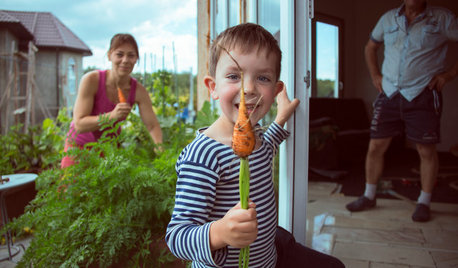
GARDENING AND LANDSCAPINGWorld of Design: 10 Home Gardeners Show Us Their Sweet Summer Harvests
From New York to Tokyo, these gardeners have turned their yards, terraces and rooftops into places of bounty
Full Story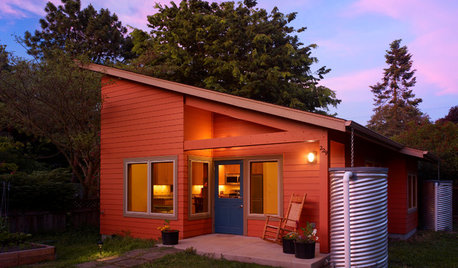
GREEN BUILDINGHow to Harvest Rainwater for Your Garden
Conserve a vital resource and save money by collecting stormwater for irrigation in a barrel or tank
Full Story
FEEL-GOOD HOME15 Cozy Book Nooks and What They Want You to Read
Put the beach reads away; these comfy spaces are creating a fall reading list. What books do they suggest to you?
Full Story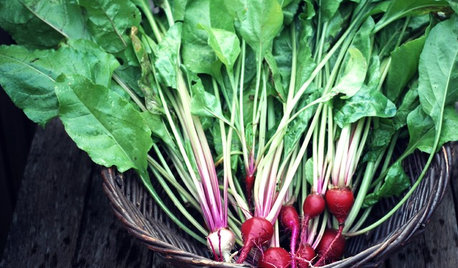
EDIBLE GARDENS8 Last-Minute Additions to a Summer Edible Garden
It’s not too late to get these vegetables and herbs planted for a bountiful harvest this year
Full Story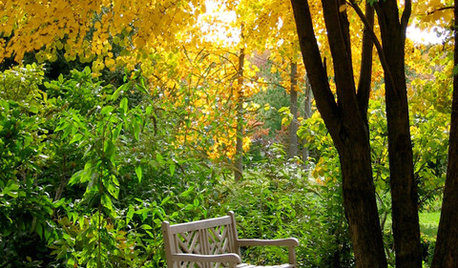
GARDENING GUIDES8 Plants for a Deliciously Fragrant Fall Garden
Scent the autumn air with the perfume of caramel corn, honey and spices by adding these intoxicating plants to your landscape
Full Story
MOST POPULAR7 Ways to Design Your Kitchen to Help You Lose Weight
In his new book, Slim by Design, eating-behavior expert Brian Wansink shows us how to get our kitchens working better
Full Story
BOOKSCan Tidying Up Result in Life-Changing Magic?
Organizing phenom Marie Kondo promises big results — if you embrace enormous changes and tough choices
Full Story
GARDENING FOR BUTTERFLIESButterfly Gardening: Delight the Eyes With Living Sculptures
Surprise and thrill with a garden that attracts magical winged creatures, bringing color, movement and life
Full Story
GARDENING GUIDESHow to Grow a Flower Garden for Bouquets
Enjoy fresh blooms indoors, bring beauty and fragrance to your garden beds, and help support pollinators
Full Story
TASTEMAKERSWomen Who Are Changing the World From the Ground Up
A new book, ‘The Earth in Her Hands,’ profiles 75 inspiring women who work with plants. Read about 10 of them here
Full Story
sheri_z6