

need help with google
9 years ago
Featured Answer
Sort by:Oldest
Comments (44)
 9 years ago
- 9 years ago
Related Discussions
Epsom Salt for Reblooming???
Comments (3)Those people I know who use it, do it lightly once every 3 months or so. It is magnesium sulfate, both elements needed by plants. Making a little extra available to your orchids will help build cell wall strength and helps them absorb other minerals. Complete fertilizers may have enough magnesium already. It doesn't take much. It contributes to general plant health and so to blooming. It does not trigger blooming in any way....See Morespent hours/days Googling trying to ID my fragrant tree-need help
Comments (11)Inga, again, so many thanks! It's really too bad that Kansas doesn't plant the European Bird Cherry instead of the terrible Bradford pear which stinks like rotting plastic. The fragrance is wonderful and it's just as "showy" and as fast a grower as a Bradford. Or at least people should plant more beautiful crabapples. Both plants attract beneficial pollinators. Jaxondel, I've had my house since 2007, but gardened for the first time in 2009. I had no interest in gardening whatsoever, so I've always been "blind" to Nature's incredible beauty, too busy pulling all-nighters at work, being a workaholic, etc. We get very little biodiversity in my neighborhood, but last year I saw 3 sightings of a cardinal in my neighborhood. My dad is the direct opposite of me. He has always loved nature, organics and birdlife. His yard is filled with beautiful birds that none of his surrounding neighbors have. Well, yeah, I've not had birds go crazy with that tree yet. Must be my location, lol! But maybe with the combinations of my holly bushes and the tree they'll come. I have a 2010 Toyota Camry hybrid that has an sea greenish/blueish color to it that birds love to target more than any other car, I suppose because it is such a reflective waterlike color, so yes, I would notice if it got "bombed" hehe! But I will look for the berries for sure this year and hope to catch sight of some cool birds! By the way, Sanrosa, such beautiful, beautiful cacti!!! I was looking admiring your lovely garden with the roses, but wowwwwwwww! The blooming cacti is STUNNING. I've always loved cacti's unique comical shapes- very whimsical and fun but those flowers are a DREAM! Even if it's not roses please post the cacti too whenever you can! We pride the Rose Gallery in being a place for Tea and company! People have their cats, their pets, Boxo has had his fluffy Pom poms and the koi/water lilies, there's been bees here and all kinds of fun stuff. And Renee's lovely boy was here too and Rosemeadow's lovely daughter holding up a flower. Kids and gardens make great photos. Cheers, everyone! And Happy Mother's Day to all you Mothers out there. Yesterday was my border collie's birthday- Eluane got birthday candles on her pork tenderloin/tomato cake...I got the evening bday cake on video James had to help me with that. But unfortunately this year was so hot, it was impossible to stop her from panting in the daytime shots so this year's photos weren't as nice as last year. Garden shot was at my home church's little side chapel. Here is the famous Ward Parkway stretch with the classic homes and lots of big flowering trees. No European bird cherries but similar more romantic flowering ones like dogwood, more rare magnolias- style of gardens is classical unlike newer suburbia with generic bloomers like the Bradford pear. Still can't see roses here, maybe too much shade with the very old large trees. Next time I'll take more photos of ward Parkway. My home church is very beautiful and is all stone and is at Ward Parkway....See MoreNeed a few good video download programs for google, MIT, Stanford
Comments (1)as always I suggest going to gizmo's site for the best recommendations Best Free Streaming Media Recorder...See Moreneed help installing google toolbar
Comments (1)on which browser? IE? firefox? Version? Please provide needed info when asking questions so we know what we are working with. try clicking on View at the top then toolbars and see if it is checked to appear. have you tried rebooting to see if it reappears?...See More- 9 years ago
 9 years agolast modified: 9 years ago
- 9 years ago
 9 years ago
 9 years agolast modified: 9 years ago
- 9 years ago
- 9 years ago
- 9 years ago
- 9 years ago
- 9 years agolast modified: 9 years ago
- 9 years ago
- 9 years ago
- 9 years ago
- 9 years ago
- 9 years ago
- 9 years ago
- 9 years ago
 9 years ago
- 9 years agolast modified: 9 years ago
- 9 years ago
- 9 years agolast modified: 9 years ago
- 9 years ago
- 9 years agolast modified: 9 years ago
- 9 years agolast modified: 9 years ago
- 9 years ago
- 9 years ago
- 9 years ago
- 9 years ago
- 9 years ago
- 9 years ago
- 9 years agolast modified: 9 years ago
- 9 years ago
 9 years ago
- 9 years ago
- 9 years agolast modified: 9 years ago
 9 years agolast modified: 9 years ago
- 9 years agolast modified: 9 years ago
- 9 years agolast modified: 9 years ago
- 9 years agolast modified: 9 years ago
- 9 years ago
- 9 years ago









Related Stories

MOST POPULAR9 Real Ways You Can Help After a House Fire
Suggestions from someone who lost her home to fire — and experienced the staggering generosity of community
Full Story
DECLUTTERINGDownsizing Help: How to Edit Your Belongings
Learn what to take and what to toss if you're moving to a smaller home
Full Story
HOME TECHWhy Google Just Paid $3.2 Billion for a Company That Makes Thermostats
Smart home technology just got a new champion — and everyone is speculating about the reasons
Full Story
COLORPick-a-Paint Help: How to Quit Procrastinating on Color Choice
If you're up to your ears in paint chips but no further to pinning down a hue, our new 3-part series is for you
Full Story
HOUSEKEEPING9 Kitchen Organizing Tips to Help You Waste Less Food
Follow these simple steps to maximize your budget and turn your good intentions into good habits
Full Story
PETS6 Ways to Help Your Dog and Landscape Play Nicely Together
Keep your prized plantings intact and your dog happy too, with this wisdom from an expert gardener and dog guardian
Full Story
PETSHow to Help Your Dog Be a Good Neighbor
Good fences certainly help, but be sure to introduce your pup to the neighbors and check in from time to time
Full Story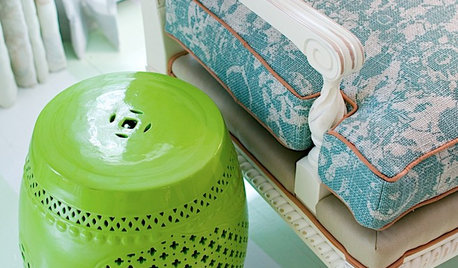
DECORATING GUIDESThe Most Helpful Furniture Piece You May Ever Own
Use it as a table, a seat, a display space, a footrest ... and indoors or out. Meet the ever-versatile Chinese garden stool
Full Story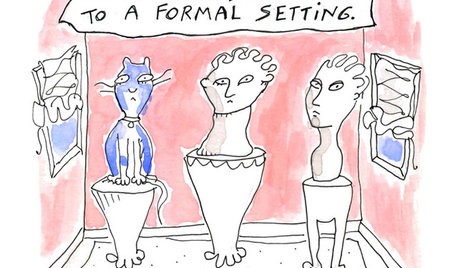
MOST POPULAR7 Ways Cats Help You Decorate
Furry felines add to our decor in so many ways. These just scratch the surface
Full Story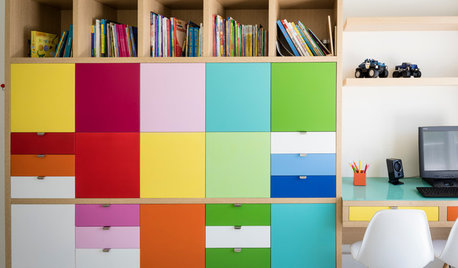
COLORHow Color Can Help You Stay Organized
This simple trick goes a long way toward helping everyone in the household quickly find stuff — no labels required
Full StorySponsored
More Discussions

paulsmth2Original Author