

Can't recover from this one
9 years ago
Featured Answer
Sort by:Oldest
Comments (28)
Related Discussions
Pressure drops in one zone but never recovers
Comments (2)I managed to get the zone back to a working state again: 1. When I took apart the valve assembly box, I noticed the small circular nipple part of the rubber valve was not properly flush in its spot. 2. I thoroughly cleaned all parts in a sink and put the valve box back together (taking care to ensure the nipple and internal rubber valve were properly seated). 3. The pressure problem did still exist, although not as low. I turned down the radius on 2 of the 3 heads back to 180 (leaving one set to 360). This solved it. They all popped up and worked again. My guess is the 9 heads were a little too much for the line to handle. I can open up one head to cover a 360 degree radius, but that is all I can do for that zone. Is it possible to boost the pressure to support all 9 heads on the same zone set to cover a 360 degree radius? If so, can anyone suggest a solution?...See MoreRecovering from last year's bulb disaster
Comments (4)Hehe. Are slugs even squishable? I go after them with a pair of chopsticks - pick them up and drop them in a tin of soapy water. I find their slime is almost impossible to remove from your hands short of sandblasting. I prefer to make most of my pickable pest bugs go swim with the fishies - so to speak. Maybe I'll start shewering slugs though... It sounds a bit more satisfying :-) I'm not really a bug-a-phobe - it's not easy to be a gardener and be afraid of bugs! I find most bugs, even the bad ones kind of pretty (even slugs have those cool antennae). I'm not bothered at all by the usual bad creepy crawlies: centepedes, bees, wasps. I used to be the run-screaming-away kind of afraid of spiders, but it got to the point where I had to do something about it - I couldn't put shoes on without shining a flashlight in them, gloves had to be stored in plastic bags, and every room I entered had a quick scan around the ceiling for them before I did anything else. Kind of ridiculous! So last year I found a garden spider and let him live in my window unmolested (I called him George). Just knowing he was there behind the blind was pretty bad, and after a month I was able to look at him. Eventually he died, and by that time I was able to watch him spin his web and catch flies, and even get a really close look at him - he was really quite pretty. I'm still not too fond of those grass spiders and their irritating huge webs that form a huge sheet over everything, but they don't make me want to craw out of my skin if they crawl on me anymore. I have a new George outside this year and I visit him every day, I've even brought him a few houseflies I caught. I can always hope he caught any narcissus bulb flies that might have been snooping about! BP...See MoreWhat will recover from the cold?
Comments (4)Amy, You're welcome. Winter gardens are like Forest Gump's box of chocolates---you never know what you're going to get, and you can blame that on the weather. If the broccoli plants don't go limp, you might get side shoots. Then again, you might not. With the weather warming up again and with rain forecast in the next few days, some plants might bounce back well that otherwise would not have recovered much if the weather had remained very cold. Fall/winter gardens never really seem to be the same in any two years because of the erratic nature of the weather here in the middle of the continent where it can change on a dime. I've had a hard freeze knock the plants back really hard, even if they didn't die, as early as the very end of September (I think that was in 1999) and I've had plants survive pretty much the whole winter in other years (2012 was one of those winters). The most cold-hardy plants like collards and kale can tolerate all kinds of cold and snow most years so they are almost just about guaranteed to give you a harvest. Swiss chard will suffer freeze damage fairly often here in winter and even die back to the ground, but in my garden it often resprouts and starts making new growth again within just a few days of freezing....just as soon as we begin to warm up again. With plants in the ground, I don't fertilize in the fall or winter. All I do is add a thin (about 1/2") layer of compost to the top of the beds after the fall plants are up and growing. Whenever it rains or whenever I water, the water will carry nutrients down into the soil to the plant roots. I feed the soil with compost and let the soil feed the plants. With plants in containers, whether or not they benefit from fertilization in the greenhouse will depend on various factors including how warm the soil and air temperatures are. Once the greenhouse is pretty cool, I am not sure if nutrients from fertilizers are taken up well and used. I don't fertilize the plants in the greenhouse in the fall or winter unless they have poor color or slower growth than they should, and since I don't expect much winter growth from them, I rarely feel a need to fertilize them. If you plant your fall and winter crops on time (anywhere from July through maybe October), they do their rapid growing in those earlier weeks and months, and by this late in the fall, you are mostly just harvesting from them. They will make some growth in cooler weather with lower light levels and less intense sunlight, but it won't be really rapid unless you are keeping the greenhouse really warm both day and night. The downside to fertilizing is that you run the risk of pushing the plants to put out a lot of new growth, and tender new growth can freeze really easily when a cold spell of freezing weather hits. Once daylength (the number of hours of sunlight per day) drops below 10 hours a day, plant growth slows signficantly. I think that once you're getting less than 10 hours of sunlight per day, there really is not enough light energy available to push much plant growth so the plants kinda stall and just sit there. I think that in my garden, that really slow growth period is mostly only in December, and maybe a bit of early January. Right now, in my part of Oklahoma, our daylength is running around 10 hours 20 minutes, with sunrise just after 7 a.m. and sunset a little before 5:30 p.m. The daylength will drop a little every day until the winter equinox arrives and then it will begin to increase again. I've never tried planting lettuce, spinach or Swiss chard from seed this late, so have no idea how quickly or slowly they will sprout. However, I had lettuce seedlings sprout in a container outdoors a couple of weeks ago. They resulted from me leaving the lettuce plants to go to seed for the finches back in the spring, and I guess the finches didn't eat all the seeds. I put annual flowers in those containers at some point, but the lettuce seed laid there quietly waiting for the right conditions for germination, which arrived here in early November. (I never would have tried planting lettuce as late as November, but now that I know the seeds will sprout then, I might try it some future year.) Those lettuce plants were about an inch tall in the planter when I moved it into the greenhouse late last week, and some of them are about two inches tall now, so they are still growing. They are pretty dense in some spots, so I need to thin them out a bit. The greenhouse is staying in the 30s or lower 40s at night, and gets up into the upper 80s on sunny days. It might only hit 60 degrees on a cloudy day, but lettuce is fine at that temperature. I could leave the doors and vents closed, and the greenhouse could hit 110 or higher even in winter on a sunny, warm winter day, but I open the vents and doors when the temperatures hit the 80s because I don't want for the lettuce to get too hot and to bolt. That statement reminds me that in a fairly small greenhouse, sometimes you have to choose. I learned in past years that if I kept the greenhouse as hot as I wanted it to be during the daytime to keep the tomato plants and pepper plants happy and ripening fruit, (the 90s during mid-day were ideal), then it was too hot for the lettuce and the lettuce would start to bolt. So, unless your greenhouse is large or is sectioned in half with a colder area and a warmer area, you likely will have to decide whether to focus more on keeping hot-season plants going or replacing them with cool-season plants. If you have soil temperatures and air temperatures warm enough for the seeds to sprout, they will grow.....sometimes greens grow surprisingly fast. I am going to link Tom Clothier's database that shows the relationship between soil temperature and seed germination. You can look at it and see how long it takes to get seeds of a given vegetable to sprout at a given soil temperature, and maybe that will help you decide if it is worth your while to sow seeds this late. Keep in mind that you could sprout your seedlings indoors (I leave my light shelf set up in the spare room year-round, so I can start seedlings indoors whenever I choose) in warmer temperatures and then transplant your seedlings into their permanent (well, permanent for a few weeks or months) location in the greenhouse. About the latest I've ever planted spinach is in late October or earliest November, and that was in the ground in a year warmer than this and it sprouted and grew just fine, though it grew fairly slowly. We still got a nice harvest from it. Sometimes spinach grown in the ground from a really late sowing holds its own in the cold but doesn't get really big in winter. However, as the temperatures grow warmer in spring it enlarges nicely and you get a great harvest. Variety selection is important for winter---for a late planting I'd use one of the spinach varieties that matures quickly to make up for the fact that everything grows slower in winter. In a greenhouse, I think the spinach will grow just fine once you get the seeds to sprout. You also can grow microgreens, which you harvest and toss on salads while they are very small. To keep microgreens going all winter, you could sow a new batch every week. Remember that you can harvest lettuce leaves at any size using the cut-and-come-again method, and baby lettuce leaves are wonderfully sweet and tender and a great addition to salads. There's tons of cool- and cold-season veggie crops you can grow in the greenhouse (and some can be grown in the garden under row covers as well) and some might be new to you: claytonia (aka miner's lettuce), tatsoi (spoon mustard), mache' (corn salad), beet greens, cress, minutina, arugula and endive. You can keep lettuce interesting by planting mesclun mixes that have many varieties in one seed packet. I grow one from Bontanical Interests called "Valentine" because it has lots of lovely red varieties in it. Johnny's Select Seeds and Botanical Interests have tons of lovely mixes of greens, as do many other seed companies. If you like to use greens for braising and in stir fries, you can grow other types of greens like kale, mizuna, pak choi, Swiss chard, etc. Many Oriental greens are great for braising and also are very cold tolerant. With most greens, rather raised for salads or for braising/stir-frying, you can cut them off above the soil with a sharp knife and the plants will continually put out new growth. That allows multiple harvests from the same plants over the course of the autumn and winter. Even plants that seem to just set there in the cold and dreary December/January weather often are biding their time, and start making much more rapid growth as daylength increases again. I don't know if you'd have any luck sowing them now, but in future years you can grow green onions/scallions, leeks, radishes and chives in the winter, either in the garden under low tunnels or in the greenhouse. If you want to try growing winter onions in the greenhouse (for green onions to use like scallions, not for bulbing onions), you can order onion plants from Dixondale. I believe they start delivery of winter onions in either November or December. Their shipping date would be on their website. I have perennial onions in the ground in the garden, so I don't plant green onions for fall, but I bet you could grow them in a greenhouse. I haven't tried turnips or carrots in the greenhouse, but when I grow turnips in the ground for fall, I can harvest turnip greens over the course of the winter. Sometimes they have freeze damage, but I just cut off the frozen leaves and throw them on the compost pile (where wildlife will gobble them up overnight) and new leaves sprout almost immediately. If you are interested in growing edible crops in the autumn and winter in either a greenhouse or in low tunnels, I'd like to suggest the best book on the topic that I've ever read. It is by Eliot Coleman and is titled "The Winter Harvest Handbook". He harvests a commercial crop all winter long in a winter climate much more harsh than ours and this book tells you everything you need to know.....and more. Because of his harsher climate, he gets less growth in the coldest months than we do, so it is even easier for us to grow in the winter here. Still, it is notable he refers to it as the winter "harvest" handbook, which is a clue that most of the growth occurs prior to winter, but then you get to harvest over the course of the winter. Wanting to start seeds now in late autumn will be a little more challenging, but the only way to know how well it will work for you is to just go out there and try it. Dawn Here is a link that might be useful: Tom Clothier's Vegetable Seed Germination Data...See MoreAdvice on: seedlings just can't get started
Comments (6)look fine to me ... all things considered .... in my z5 MI ... nights are still rather cool .. which means that though the heat of day warms the soil .. it is still being lost at night ... and i really dont think of balsa as being a cold season plant ... the low yellow leaves are transplant shock ... and though we would like to see them rocket up .. i would suggest that you just give them time ... just try not to love them to death.. and be patient ... i would not fert a plant this early ... just becasue spring came on early ... dont worry about plants that are more on the regular schedule .. BTW ... i wish my seedlings looked that good.. back in the day .. im rather not much impressed by your complaints about them ... lol ... good job .. even if not up to your prior standards .. ken...See More 9 years ago
- 9 years ago
- 9 years ago
- 9 years agolast modified: 9 years ago
- 9 years ago
- 9 years agolast modified: 9 years ago
- 9 years agolast modified: 9 years ago
- 9 years ago
- 9 years ago
- 9 years ago
- 9 years ago
- 9 years ago
- 9 years ago
- 9 years agolast modified: 9 years ago
 9 years ago
 9 years ago
 PRO9 years ago
 8 years agolast modified: 8 years ago
- 8 years ago
- 8 years ago
- 8 years ago

Related Stories

DECORATING GUIDES9 Lessons We Can Learn From Drawing Rooms
Let these formal rooms inspire you to create entertaining spaces that encourage conversation, music and games
Full Story
DECORATING PROJECTSDIY Project: How to Re-Cover a Seat Cushion
Makeover a chair with a cool new seat cover, no sewing required
Full Story
PETS5 Finishes Pets and Kids Can’t Destroy — and 5 to Avoid
Save your sanity and your decorating budget by choosing materials and surfaces that can stand up to abuse
Full Story
WALL TREATMENTSCan't Find the Right Wallpaper? Make Your Own
For one-of-a-kind walls, just use your imagination. Custom wallpaper is easier and less expensive than you might expect
Full Story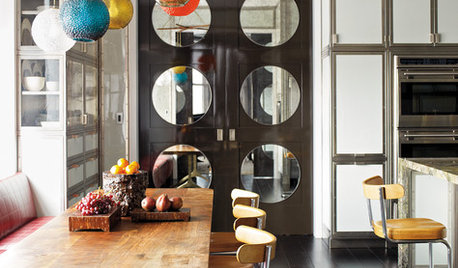
KITCHEN DESIGNTrend Alert: Swinging Doors Can't Miss for Convenience
Create accessibility and elegance in one fell swoop with a swinging door modernized for today's homes
Full Story
COLOR8 Color Palettes You Can't Get Wrong
Can't decide on a color scheme? Choose one of these foolproof palettes for a room that feels both timeless and fresh
Full Story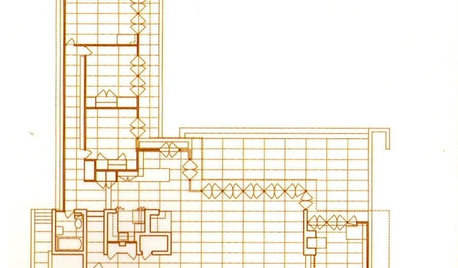
REMODELING GUIDESSee What You Can Learn From a Floor Plan
Floor plans are invaluable in designing a home, but they can leave regular homeowners flummoxed. Here's help
Full Story
LIFE5 Life Lessons We Can Learn From Italian Design
Discover how these core ideas of Italian life feed into the nation’s designs
Full Story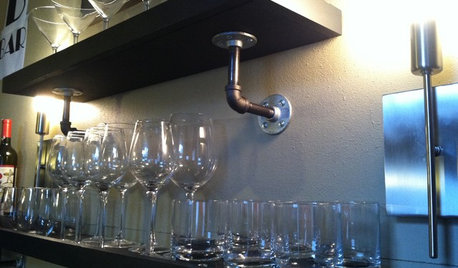
MORE ROOMSCool Shelves You Can Make With Stuff From the Garage
Idea of the Week: The guys behind The Garage Slab turn salvage wood and pipe into industrial-chic bar
Full Story
DECORATING GUIDESWhat We Can Learn From the Minimalists
Discover the power of simplicity and how to employ a less-is-more approach in your decorating scheme
Full Story
Sylvia Gordon