

What to do with Yard Long Beans?
9 years ago
Featured Answer
Sort by:Oldest
Comments (7)
 9 years ago
- 9 years ago
Related Discussions
What is eating the leaves of my yard long beans?
Comments (3)Agree...slugs. I have a few visit but not overwhelming so I ignore. I would deter them until your plants get some height and vigor....See MoreYard Long Beans vs. pole bean
Comments (17)The red podded yardlongs have a firm texture, and somewhat of a nutty flavor. They mature later than some of the green-podded types (especially those with black seeds), and seem to prefer more heat than many of the green-podded varieties. The yield is good, but slightly less than the black-seeded varieties below. I enjoy them in part because they keep their burgundy color when cooked. There is wide variation in green-podded varieties. The black-seeded ones I've tried are generally earlier, more tolerant of cool weather, bear heavily, and have tender (even delicate) pods. One of the black-seeded varieties (with dark green pods & purple tips) has the strongest flavor of those that I've tasted; it goes by several names, including Asparagus Bean and Liana. Green-podded / red-seeded varieties seem to benefit from longer seasons, be firmer & often sweeter as a rule, have very long pods, and yields ranging from medium to somewhat heavy. Pods can be anywhere from very light green to deep green. There are many more discussions of yardlong beans on both the Bean Forum, and the Asian Vegetable Forum....See Moreasparagus bean, yard long bean inoculant EL
Comments (6)Yes, don't try too hard. Add leaf and grass clippings into your soil in the fall so they break down over the winter and add nutrients to your soil for the spring automatically. Keep in mind these are usually not hybridized to look perfect in your location's environmental conditions and it is normal for them to look less than healthy for a couple of weeks in the early stages. Be patient and let them do their thing. Also be sure to have your soil tested by your local extension agent to make sure you have a good balance of the primary nutrients you should have for vegetable growing. Testing was less than $12 in my state and results are good for three to five years. It's worth it and gives you more specifics than just your pH....See MoreYard long beans
Comments (4)Courtesy of google: Pick the pods at the tender stage at maximum length, before the seeds mature or swell. Yard long beans may grow up to 24inch long, but it is better to pick them at 12 to 18 inches. While picking, cut the pods with a sharp knife to minimize plant damage, thus maximizing harvest. Leave the pods to reach full maturity, allowing them to dry on plant, if the pods have to be reserved for seeds. The pods will break open and the seeds can be collected. Native to Southeast Asia, this climbing plant is a close relative of the cowpea or black-eye pea. A pencil-thin LEGUME that resembles a GREEN BEAN except that it can grow up to about 3 feet long (though it's usually picked at 18 inches or less). Yard-long beans belong to the same plant family as the BLACK-EYED PEA. In fact, in parts of China the bean is allowed to mature until full-fledged peas are produced in the pod. Yard-longs have a flavor similar to but not as sweet as that of a GREEN BEAN, with hints of its black-eyed-pea lineage. The texture of the pod is more pliable and not as crisp as that of a GREEN BEAN. This LEGUME, also called Chinese long bean, long bean or asparagus bean, can be found year-round (with peak season in the fall) in most Asian markets and some supermarkets with specialty produce sections. Select those that are small (which equates to younger) and very flexible; the peas should not have matured. Refrigerate in a plastic bag for up to 5 days. Yard-long beans are most often cut into 2-inch lengths and sautéed or STIR-FRIED. Overcooking will make them mushy. These beans are rich in vitamin A and contain a fair amount of vitamin C. Maybe someone with personal experience will come along and give you more info....See More- 9 years ago
- 9 years ago
- 9 years ago
 9 years ago
Related Stories
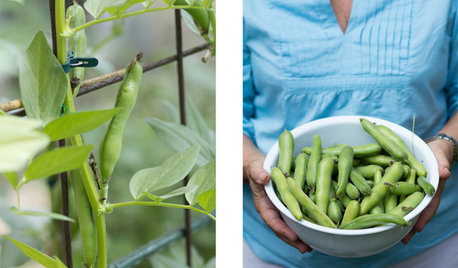
SUMMER FRUITS AND VEGETABLESSummer Crops: How to Grow Beans
Grow your own beans for amazing variety and healthy, convenient produce all summer
Full Story
Bean Bags: A Surprising Answer for Chic Comfort
Sink into a new generation of squishy, go-anywhere seating
Full Story
DECORATING GUIDESBean There, Done That: Coffee Table Alternatives
Get creative with these ideas for salvaged and DIY pieces that will get people talking
Full Story
FARM YOUR YARDIf You Have Room for Only One Summer Crop ...
Get an edible that’s long on flavor even if you’re short on space, with a long-time gardener’s favorite picks
Full Story
DECORATING GUIDESImproving a Rental: Great Ideas for the Short and Long Haul
Don't settle for bland or blech just because you rent. Make your home feel more like you with these improvements from minor to major
Full Story
DECORATING GUIDESSmall Changes to Simplify Your Long-Term Storage
Conquer your attic and basement storage in more than a day, with these easy, bite-size steps for sorting, storing and protecting your stuff
Full Story
HOUZZ TOURSMy Houzz: An Outdoor Entertaining Paradise in Long Beach
A 1929 Spanish-style home’s open layout and multiple courtyards provide lots of room for a California couple to socialize
Full Story
INSIDE HOUZZHow Much Does a Remodel Cost, and How Long Does It Take?
The 2016 Houzz & Home survey asked 120,000 Houzzers about their renovation projects. Here’s what they said
Full Story
HOUZZ TOURSMy Houzz: Cliff May Homeowners Lead the Way in Long Beach
Two Realtors and their renovated home set the bar for midcentury nostalgia and style in their Cliff May tract
Full Story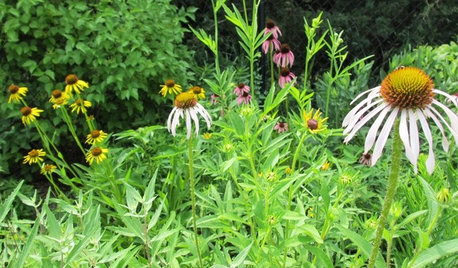
FLOWERSGet Coneflower Blooms All Summer Long
Plant these 5 native species to bring beauty to the garden — and pollen to the insects — from June through August
Full Story

petalique