

If you take meds for thyroid and still have symptoms
10 years ago
last modified: 10 years ago
Featured Answer
Sort by:Oldest
Comments (12)
Related Discussions
Maybe it IS your thyroid???
Comments (1)Thank you so much for that information. At my next check-up I am going to talk to my dr. about this....See Morewould you consider this low thyroid
Comments (5)You can have a normal tsh and still have hypothyroidism. My numbers were always normal and it took me close to 10 different doctors to finally find one that checked my thyroid antibodies - they were off the charts! Even then I had a doctor say she couldn't treat me.. although I had almost every hypo symptom in the book. I found a doctor at the site below that was willing to try lots of things to help me get better. Even so, it has taken a year and a half for me to finally start feeling good again. I imagine I have been hypothyroid for many years. To add to my problems I was also deficient in Vitamin B12 and Vitamin D. Endos are not always the best choice either. Find a doctor in the list below, they will take you seriously! Here is a link that might be useful: Top Docs...See MoreDoes this sound like a thyroid problem to you?
Comments (4)My sister's hair started thinning really badly a few years BEFORE her thyroid levels finally registered below normal, as Hypothyroid. Once she started her Thyroid medication, her hair actually started growing back and isn't nearly as thin now. I agree with michelle that you need a full blood panel to consider if anything specific is causing your hair loss and urinary frequency. Although 'female pattern hair loss' can also be the culprit in older women, I would keep getting your thyroid levels checked each year as well....See More18-year-old Cat with Kidney Problems - Takes no Meds
Comments (13)Also highly in favor of sub-cutaneous (fluids administered under the skin, nicknamed sub-Q fluids.) I would get a second opinion, ie see another vet and ask him/her to show you how to give fluid treatment to your kitty. Or else try to prod your current vet into giving fluids a try. Be sure to use size 20 needles. For some reason most vets prefer size 18 which is a bigger diameter and uncomfortable for the patient. However they will provide 20 gage needles if you request them. My current kitty is 18 yrs old like your cat, and she gets fluids once a week. The two cats I had before her both were on fluid treatment at home (per order of my vet) first once weekly, and later twice weekly. They both lived into their 20s and the therapy vastly improved their quality of life. I also gave my little sheltie fluid treatment twice weekly for her last two years when her kidney function began to deteriorate, again as mandated by my vets. In all my CRI (chronic renal insufficient) pets, the fluids alleviated nausea, improved appetites, renewed my animals' energy, and just made my pets SO much more comfortable. If you've ever suffered from dehydration (during an illness for instance) you know how miserable this is (headache, grogginess, nausea, etc.) Once an animal becomes accustomed to receiving the fluids, they will lie quietly for the treatment. My cats have all laid on my lap and purred. I think after a few times they began to connect the therapy with feeling better immediately afterwards. I give/gave fluids while watching TV and it is a relaxing experience, not painful or stressful for me or my pets. There are a lot of instructional web sites and CRF/CRI groups right here on yahoo that can help answer questions for you. These were invaluable to me when I was just learning to give fluids. A vet tech instructed me, but it helped to also have these resources. Also there are many places who sell at a discount lactated ringer solutions (the bags of fluid) as well as 20 gage turamo needles and the lines that attach the needle to the fluid bag. However with only one kitty to treat, you're probably better off just getting your fluid supplies from your vet. Don't assume there is nothing you can do for your cat. Sub-Q fluids should vastly improve both your cat's quality of life as well as longevity. Your cat cannot get the amount of fluids needed to help counter CRI simply by drinking. Good luck and hope kitty feels better. Nutrition is important, but it comes in a pale second when treating CRI. Sub-cutaneous fluids should be the first and foremost treatment....See More- 10 years agolast modified: 10 years ago
 10 years ago


Related Stories

LIFE12 Effective Strategies to Help You Sleep
End the nightmare of tossing and turning at bedtime with these tips for letting go and drifting off
Full Story
LIFEThe Polite House: On Dogs at House Parties and Working With Relatives
Emily Post’s great-great-granddaughter gives advice on having dogs at parties and handling a family member’s offer to help with projects
Full Story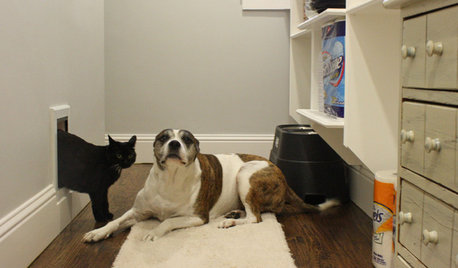
PETSPet-Proofing Your Home: A Room-by-Room Guide
Not all pet dangers are obvious. Keep furry friends safe and sound by handling all of these potential hazards
Full Story
FEEL-GOOD HOME12 Very Useful Things I've Learned From Designers
These simple ideas can make life at home more efficient and enjoyable
Full Story
MOST POPULARHow to Get Rid of Those Pesky Summer Fruit Flies
Learn what fruit flies are, how to prevent them and how to get rid of them in your home
Full Story
LIFE10 Things Night Owls Know to Be True
Love being up while the world slumbers? Prefer a really late bedtime to an early night? These observations on night owl life may ring true
Full Story
LIFEYour First-Aid, Emergency and Medical Supply Checklist
Don’t wait until you need them to stock your first-aid kit and emergency stash. Here’s what to get and where to keep it
Full Story
DECORATING GUIDESBreathe Easier by Allergyproofing Your Home
Don't turn your nose up at these simple ways to keep pollen and other allergens from infiltrating your home
Full StorySponsored

User