

Bird feeding advice
10 years ago
Featured Answer
Sort by:Oldest
Comments (46)
Related Discussions
game bird feed
Comments (8)fancifowl that sounds good. I wrote a bunch of people about this question since the forum is pretty much dead these days. Here is the response I got back: Generally game bird starter is not recommended for chickens. It is higher in protein than they optimally need, so they may grow very large faster than is good for them... or they can have a lot of extra energy which may cause them to have some aggression. If they have a very large space, they may be able to work off that extra energy. if their brooder is small, you may face some management problems. There is nothing inherently bad about feeding chickens game bird feed other than that possibility. When they begin to lay, though, it will be best to have them on layer mash or pellets because it will have enough calcium for a laying chicken's needs. Do you have any problems with aggression? What about hyper energy? Thanks...See MoreDo you enjoy feeding the birds ?
Comments (28)I used to have bird feeders, but not since we have had an active population of black bears. While I like having them around, I don't want to train them to think that our house = food. Although the bears hibernate, they are awake before there are many food sources for seed eaters, and I hate to habituate the birds to my feeders and then have to remove them in early spring. I do want to put out a heated bird bath for winter, though, and may try a suet feeder since about the time I would have to bring in the feeder due to the bears waking up, there would be insects available for the suet eaters. We do have a lot of birds, but they don't spend as much time near the house as they would if we had feeders. I do plant for the birds and often have nests in shrubs near the house, seed eating birds on plants where I've let the seed heads stand, and insect eaters in the shrubbery. Purple martins eat flying bugs, so that is one of the reasons folks put up houses for them. Since you plan to put up bird houses, read up about the requirements for a house that the birds will use, the preferred size openings for different birds, and how best to site them since different types of birds look for different set-ups. Here's some general information on bird houses from the National Wildlife Federation: http://www.nwf.org/How-to-Help/Garden-for-Wildlife/Gardening-Tips/Attracting-Nesting-Birds.aspx The link below is from Cornell University Lab of Ornithology's Project Nest Watch. If you go to the LEARN tab in the upper right part of the page, there are various articles about bird houses and landscaping for bird habitat that you may find useful. Until you have more shrubs or small trees near your feeders for landing spots, you can put a lage tree branch or old Christmas tree in a pot and fill the pot with rocks or gravel to hold it in place. Here is a link that might be useful: Cornell's Project Nest Watch...See MoreAny tips on attracking and feeding Humming Birds?
Comments (15)There are plenty of hummers in Miami, just at a different time of the year than the ones in Central Florida. I believe (and I learned this here in the group) they get to your area in October or so and stay through the winter. It is the opposite in central Florida. And though the ruby-throated hummer is the "normal" one nesting east of the Mississippi, a few other species are seen from time to time in the main part of the state, but even more "rare" ones are spotted in south Florida. So YOU could get even more varieties than we do here. Get that hummingbird garden going! "If you plant it, they will come!" Eventually! Tony, the fermented nectar really could make them tipsy, but mostly, it makes them sick, and they won't come back to that feeder again. (Assuming it doesn't kill them.) Hummers DO eat insects, as well as nectar, especially during the nesting season. I've seen them feeding in oak trees, and flying back to their nests, where they feed their young tiny bugs and spiders. If you suspect you have a nesting hummer, watch closely for it. The ruby-throateds build lichen covered nests about the size and shape of a marshmallow, and lay two eggs the size of very small jelly beans. They really aren't much larger than the little white lizard eggs you findin flower pots. When the female sits on the nest, her beak hangs over one side and her tail hangs over the other. The little nest is glued directly onto a branch and is hard to see, unless you spot the female flying to it. They are such fun to watch! I haven't had any this year (or at least haven't spotted any) so I'm planning to add a lot more good plants for them. My coral honeysuckle is blooming well, and I'm hoping it will soon have them coming. Good luck, all you hummer lovers! Marcia...See MoreBird feeding questions
Comments (21)I started reading this thread just out of curiosity, and to see if I might learn something new. Susan, please don't misunderstand, but your post made bird feeding sound like rocket science! ;-) I kept reading and saw Stargazzer's comments and that is my philosophy exactly: One thing you need to know is we feed birds for our pleasure. I feed the birds for my pleasure. I hang two feeders, one a large heavy wire cylinder type and the other is a Finch feeder. I buy BOSS for the wire type and Niger (thistle) for the other one. The large one hangs from a tree which is mulched all around, so not killing any grass. If you have Goldfinches in your area be sure you get a feeder that is for Goldfinches. It usually has a yellow top, and the package will show the GFs hanging upside down to feed. (The perch is above the hole.) Again, that is for my pleasure, but also keeps other birds from devouring the expensive Niger. House finches, etc. can't do that little acrobatic stunt. I don't put out any bread or scraps of any kind; that would only attract more grackles and other "bottom feeders.") I don't feed in the Winter, because of my wobbly knees and legs, which could cause a fall in the snow and ice. I attract several kinds of birds including those pesky grackles, which I despise the way most folks despise squirrels. This year I am seeing Red Wing Blackbirds, which I haven't seen before. Very amusing though to see a grackle trying to hang on to the side of the big feeder, with wings flapping. Because I'm in a newly developed area, we don't have squirrels because the trees aren't big enough to attract them I guess. Doesn't stop the birds though. Don't take bird feeding too seriously! Just enjoy! Hang some feeders and see what you get. Fine tune as you go, Sue...See More- 10 years ago
- 10 years ago
- 10 years ago
- 10 years ago
- 10 years ago
- 10 years ago
 10 years agolast modified: 10 years agomoonie_57 (8 NC) thanked TNflowerlover Zone 7a
 10 years agolast modified: 10 years agomoonie_57 (8 NC) thanked littlebug zone 5 Missouri
- 10 years ago
- 10 years ago
- 10 years ago
- 10 years ago
- 10 years ago
- 10 years ago
- 10 years ago


Related Stories
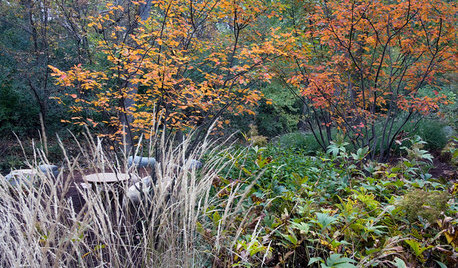
GARDENING GUIDES8 Native Shrubs for Year-Round Bird Feeding
It’s not just about berries. These plants provide insects for birds and seasonal interest for gardeners
Full Story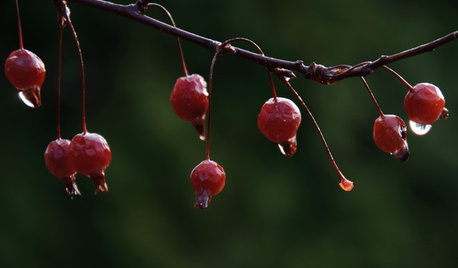
GARDENING FOR BIRDSFeed the Birds: 6 Plants for Abundant Winter Berries
Be kind to your fair feathered friends during lean food times by planting a shrub or tree loaded with nutritious snacks
Full Story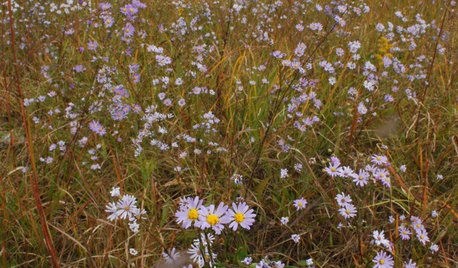
GARDENING GUIDES15 Native Flowers That Feed Native Bees
These perennials offer superfood to hundreds of bees and are gorgeous in their own right
Full Story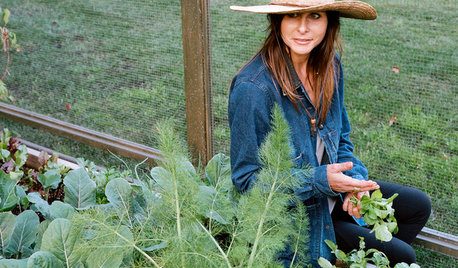
FARM YOUR YARDAdvice on Canyon Farming From L.A.'s Vegetable Whisperer
See how a screened garden house and raised beds help an edible garden in a Los Angeles canyon thrive
Full Story
GARDENING GUIDESGreat Design Plant: Feed Wildlife With Flowering Currant
Blossoms and berries make this plant irresistible to birds, bees and other critters — and a treat for the eyes too
Full Story
GARDENING GUIDESBackyard Birds: Invite Entertaining Hummingbirds Into Your Garden
Hummingbirds — unique to the Americas — zip through open landscapes seasonally or year-round. Here’s how to attract them
Full Story
GARDENING FOR BUTTERFLIESA Quick-Start Guide to Bird-Watching for Fun and Learning
Set out some seed and grab your field guide. Bird-watching is an easy, entertaining and educational activity for the whole family
Full Story
GARDENING FOR BIRDSWhat to Know About Birds Nesting in Your Yard
Learn how to observe, record data and help ornithologists with NestWatch’s citizen science project understand bird trends
Full Story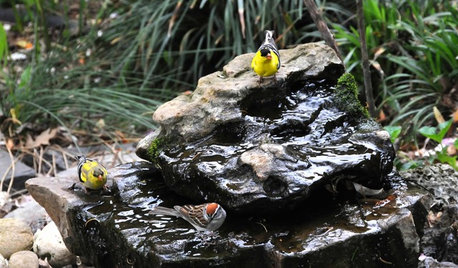
OUTDOOR PROJECTSBring In the Birds With a Homemade Bubble Rock
An avian expert from Southern Indiana shows how to make a burbling fountain that migrating birds will love
Full Story
GARDENING FOR BUTTERFLIESBring on the Birds: Natural Habitat Ideas for Gardens of All Sizes
Provide nesting, watering and perching spots inspired by the Costa Rican jungle and watch the birds flock on over
Full Story
TNflowerlover Zone 7a