

What's your favorite fiber supplement?
10 years ago
Featured Answer
Sort by:Oldest
Comments (67)
Related Discussions
what are your favorite winterizing steps? start thread
Comments (10)In the depths of our first winter with the greenhouse I noticed a very disconcerting draft coming in under the foundation. Did my best to stem that until spring, when I pulled back the gravel and added a layer of foil-faced bubble type insulation above the hardware cloth rodent barrier that runs around the perimeter. Other than that, I've added what so may others have: north wall insulation board/wrap, clear solar pool cover, containers of water, caulking the cracks, foam weatherstripping on the panels. The auto vent opener takes care of excess heat. Ah ... one other thing: three wide strips of extra solar pool cover hung just inside the doorway, slightly overlapping. May not seem like it, but it makes an appreciable difference. On a cold but sunny winter day if I'm in-and-out a lot, I can leave the sliding door open with just those strips in place and it's just right inside, with no drafts on the plants. For some things, it isn't the air temp so much as the soil temp that has to be at a certain level. Citrus roots, I understand, cannot take up water if the soil is below 50-55 degrees. Rather than heat the entire greenhouse to 60, though, I wrap the pot of my Meyer Lemon with a short string of Christmas lights (exterior grade, on a GFI circuit, of course). Lemon tree is doing fine, and on a frigid winter night I have visual confirmation at a glance that the electricity is, in fact, still on!...See MoreWhat is your favorite 'Flower Power' or bloom booster fertilizer?
Comments (73)Exotic Plumeria: WATER SOLUBLE FERTILIZER SHOULD HAVE A PHOSPHORUS CONTENT OF 50 OR HIGHER. GRANULAR FERTILIZER SHOULD HAVE A PHOSPHORUS CONTENT OF 20 OR HIGHER Brad's Buds and Blooms: Use a high phosphorous fertilizer once every 2 weeks (look for the high middle number in the formula (15-30-15 for example), for plumeria, such as Miracle-Gro Bloom Booster after your plants have been with you about 2 weeks and had time to settle in. I also recommend using a product called Spray-N-Grow once a week on the leaves of all these plants for fantastic results --- This is also available from us in the Growth Enhancement section. Jungle Jacks: Fertilizer: We generally use commercial mixes with a 1-1-1 ratio or similar for our larger plants, and a time-released fertilizer on our smaller plumeria. Note: JJ's mother trees are located in Thailand, however the plants are grown in his nursery in CA Upland nursery: Fertilization should be applied during the growing season, balance 20-20-20 is a good fertilize to use during the growing season then switch off time to time with the fertilizer that has a high number of phosphorous such as middle number 50. We recommend the “Grow More” brand because we see the result better than any other brands. When the plumeria start to get into a dormant season, stop feeding the plumeria and wait until the next growing season to feed them again. Florida Colors: Feed your plumerias with a fertilizer high in Phosphorus (the middle number), such as Super Bloom or BR-61 to start the year. A consistent feeding program with a even number fertilizer will produce vigorous plants with large showy clusters of flowers. Foliar feeding helps with bloom production. Feed every 2-3 weeks from March/April through September. New formulation 11-40-6 Time-Release granular fertilizers are available now, which may be applied every 8 weeks or so. Avoid fertilizers high in Nitrogen (the first number) to maintain compact growth. Here in south Florida our trees, that are IN THE GROUND, get a shot of triple super phosphate every October. It makes a huge difference in spring bloom. Plumeriaparadise:CA Once seed has germinated and is transplanted, I stop spraying fertilizer, and actually fertilize every 3-4 weeks with a high phosphate fertilizer, such as 10-50-10. A Note About Plumeria/Adenium Fertilizers: There is much debate amongst home users as to which fertilizers give the best results. The suggestions given above are simply the ones which have worked well for us. Please keep in mind that all plants have individual feeding needs and a 'one size fits all' fertilizing plan generally will result in poor results. We at the nursery use these products and they work well for us. Plants can be OVER-FERTILIZED. Please follow directions. In our experience, we like to fertilize more often during the flowering season, but with a much higher dilution. This provides a constant feeding for the plants. For example: If the directions call for one scoop per gallon of water, and you are fertilizing once a month, we would put 1/4 of a scoop and do it every week during normal watering. Rootone (Rooting Hormone Powder), Dip n Grow (Rooting Hormone Liquid), Spray n Grow Products (Spray n Grow and Coco-Wet), SuperThrive (Multi Nutrient),GrowMore® 5-50-17 Hawaiian Bud & Bloom (General Blooming Fertilizer), Epsom Salt (during signs of yellow plumeria leaves) and Honey (it is a great natural antibacterial that is used in the rooting process). PACIFIC PLUMERIA: Many will bloom before developing leaves and others will not. Once the leaf growth has developed, the summer regimen of care can be followed. However, in order to discourage excessive stem elongation and to promote flowering, fertilizers low in nitrogen and semi-high in phosphorous are recommended. Once again, 16-16-16, 15-30-15, 4-26-26, and 6-30-30 are excellent choices. Keep a Plumeria healthy by feeding once a month and by watering as necessary. South Coast Plumeria Society: We can safely say that all we plumerias enthusiasts are out to get those beautiful blooms! Besides ample sunlight, Plumerias require consistent fertilizing. Fertilizers usually contain the primary nutrients: nitrogen, phosphorus, potassium. They should also contain secondary nutrients, which are calcium, magnesium, and sulfur. To complete the mix, fertilizers should contain the micronutrients iron, zinc, manganese, copper, molybdenum, boron, and cobalt. Plumerias usually like low nitrogen, high phosphorus, and high potassium with all the secondaries and micronutrients. Nitrogen promotes growth and foliage development. Phosphorous promotes blooms, reproductive activity, and root development. Potassium helps with overall vigor, branch thickness, and resistance to insects and pathogens. Jim Little's book Growing Plumerias in Hawaii "In discussing the topic of fertilizer it is important to distinguish the differences between trees that are growing in the ground from those that are growing in pots. While each has different requirements, one of the best things about Plumeria and fertilizers is they will tolerate any type of fertilizer but they have been proven to produce more and bigger blooms using a high phosphorous content such as a 10-30-10 or similar ratio, depending on the manufacturer. For tropical and subtropical FLOWERING trees and plants growing in the soil, many commercial growers use NPK 20-20-20 granular, liquid feed or both. For potted plants, a recommended blend is Osmocote 14-14-14, a time release that lasts for approximately 3 months. Osmocote 18-6-12, also a time release fertilizer will work for about 6 months and is used by plumeria growers seeking a faster than normal growth rate." Tropical Plumeria: Before planting, make sure your soil is rich and organic. You can add manure or compost to ensure adequate nutrients in the soil. Once planted, you will need to fertilize your plants quarterly. For large, beautifully colored blooms, choose a fertilizer that is heavy in phosphorous. This is the second number you see on the label of plant fertilizers. When in doubt, try to find a product listing Plumeria on the label. Floridaplumeria.com: As mentioned before plumeria are heavy feeders. However, in order to discourage excessive stem elongation and to promote flowering, fertilizers low in nitrogen and high in phosphorous are, once again, recommended. Keep a plumeria healthy by feeding once or twice a month, and watering as necessary. The recommended foods can be sprinkled directly on the soil and then watered in. Consider using two tablespoons per five gallon pot per month plumeria101.com: When fertilizing Plumeria you should use a high Phosphate fertilizer (middle number), like Peters "Super Blossom Booster 10-50-10". If you use a fertilizer high in Nitrogen then you will make a healthy but tall and leggy plumeria. Plumeria in general only branch when they bloom, therefore you must use a fertilizer that will promote the most blooms. Which in turn makes the most branches. If you find a Plumeria full of branches, then you'll know it's been a good bloomer. The Handbook on Plumeria Culture by Richard and Mary Helen Eggenberger: "There are however, certain nutrient combinations and fertilizing principles that almost always produce the desired results. Plumerias thrive best with a fertilizer low in nitrogen and high in phosphorous., with ample potash and balanced trace elements, especially iron and magnesium which helps prevent chlorosis and leaf burn respectively. Notrogen is necessary to promote overall plant developement including healthy stems and foliage, but too much nitrogen will promote vegetative growth at the expense of flowering." It goes on to state the benefits of Epsom salts to promote green leaves and lower soil PH if it is too high and also state time release fertilizers are mostly balanced at 13-13-13 or 18-6-12 and not suitable for Plumeria due to their high nitrogen levels. (Note* I disagree with the 13-13-13 statement. Florikam Nutricote is a great time release with minors added, however I do think you need to supplement it with Dyna Gro Mag Pro or Bloom or some comparable other brand once in a while if you use this. Here are some that a lot of people seem to like. Some I have used, some I have not: Grow More 3130 Cactus Juice 1-7-6 Carl Pool BR-61 ( 9-58-8) NutriStar 5-30-5 Plumeria Food Grow More Hawaiian Bud & Bloom 5-50-17 ( I personally do not like this one. it's pricey and you have to use 1 T per gallon so it doesn't go far) Bills Perfect 6-11-5 Flora Nova Bloom 4-8-7 Karen's crack( a custom made blend)...See MoreIn the past I've started a 'What's your favorite camping Tip?'
Comments (1)122) Chiggers love the sweet perfume of OFF! Wear it well at clothing openings and about the ankle. (Deer ticks are optional here but plentiful.)...See MoreWhat are your favorite bed sheets?
Comments (40)comments to questions about linen sheets, which I have now from both RH and Rough Linen. The Rough Linen ones are better -- larger, and with a finer hand (but the RH ones frequently are on sale). I'm glad to see that there are more people discovering these -- when I first started talking about linen sheets here a couple of years ago, there was much less enthusiasm for them. They are both cool and warm, when appropriate (don't know how!), and so comforting! They are not rough, but they do have a texture, which I love. In the area of TMI, I sleep nude and they are very sensual. You are not supposed to bleach them -- only wash with mild detergent. Oxyclean is okay though. I dry mine in the dryer on medium, but my dryer has a "energy saver" setting which I love and makes them wrinkle less, although I don't mind the wrinkles at all....See More 10 years ago
 10 years agolast modified: 10 years agorhizo_1 (North AL) zone 7 thanked rob333 (zone 7b)
- 10 years ago
- 10 years agolast modified: 10 years ago
- 10 years ago
- 10 years ago
- 10 years agolast modified: 10 years ago
- 10 years ago
- 10 years agolast modified: 10 years ago
- 10 years ago
- 10 years ago
- 10 years agolast modified: 10 years ago
 10 years ago
- 10 years ago
- 10 years ago


Related Stories
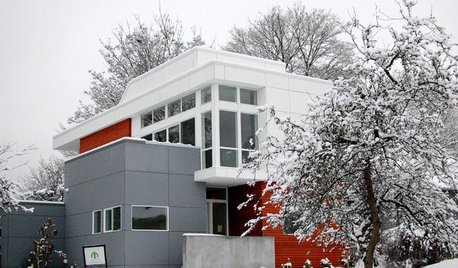
REMODELING GUIDESSeal the Deal With Fiber Cement Siding
Chameleon-like, durable and low maintenance, fiber cement gives home exteriors of all shapes and styles a winning edge
Full Story
DECORATING GUIDESTextile Textbook: Know Your Natural Fibers
Whether you desire fresh linen sheets or a swanky mohair rug, Mother Earth has you covered
Full Story
RUGS6 Great Places for a Natural Fiber Rug
One rug fits all: See where and why you can use this foot-friendly, understated accent
Full Story
GREEN DECORATINGEasy Green: Natural Fabrics Refine Rooms
From everyday organic cottons to luxurious silks, natural fibers add a feel-good factor to the home in more ways than one
Full Story0
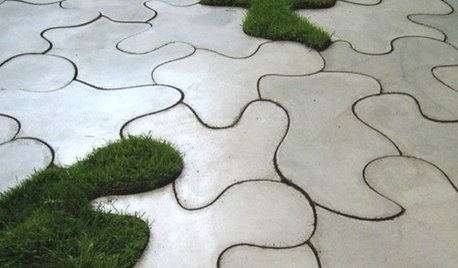
PRODUCT PICKSGuest Picks: Concrete Ideas for Patios and Decks
Look to lightweight fiber cement for functional outdoor furniture and accessories that are heavy on style
Full Story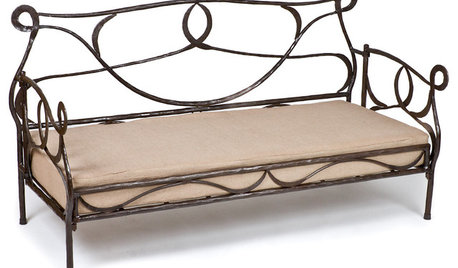
PRODUCT PICKSGuest Picks: Home Loot Featuring Jute
This popular natural fiber is inexpensive, biodegradable, renewable — and has never looked so good
Full Story
REMODELING GUIDES9 Top Siding Materials
Everyone knows brick and stucco, but what about fiber cement and metal? Learn about the options in exterior siding before you choose
Full Story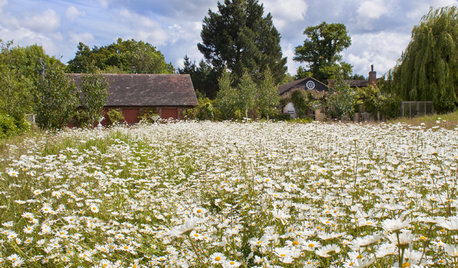
GARDENING GUIDESHouzz Call: What’s Your Favorite Backyard Beauty?
The simple, honest daisy is this writer’s go-to garden flower. We want to hear which plant, flowering or otherwise, gives you special joy
Full Story
LIGHTINGLighting: The Hardest Working Fixtures of the Home
Create Your Favorite Mood With a Mix of Sunlight and Fixtures
Full Story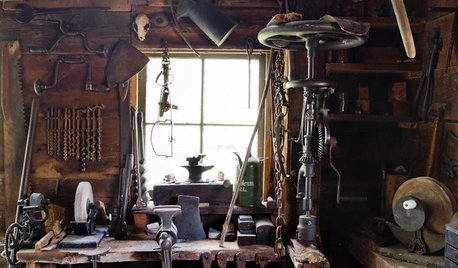
MATERIALSAre You a Maker? Show Us Your Favorite Tool or Material
Houzz Call: A tool or material can be a maker’s best friend. We’d like to see your favorite — and what it helps you achieve
Full Story
pkramer60