

Lemon Barley Water
10 years ago
Featured Answer
Sort by:Oldest
Comments (7)
 10 years ago
- 10 years ago
Related Discussions
cooking barley in my allclad pan - water is grey???
Comments (3)Does medium barley mean it's a smaller grind, or a less-processed version that takes longer to cook than Quick Barley? Quick Barley I understand, it cooks in 10 minutes. My mother used to toss it in soup towards the end of the cooking time. I use whole barley (aka Scotch or pot barley - the whole grain that has its bran intact) and have little experience with pearled barley because all the nutrition has been stripped from it. I tend to avoid foods that only offer empty calories and carbohydrates. I mill whole barley for flour. I also make barley water to drink (a thin gruel) and it's somewhat grayish from the starch. Depending on the ratio of water to barley, the liquid is similar to the starchy liquid after making oatmeal. If you were to refrigerate it, it would congeal and be almost like pudding from the starch. I use whole barley, or flake it first in my roller/flaker, and soak it overnight using water and a little whey to neutralize the phytic acid in the bran. Then I cook it, either on the stove, or using the Thermos method. It doesn't take as long to cook if you soak it first. I can add it after it's been soaked and drained to soup, OR cook it (usually in a Thermos), drain it, and add it towards the end of the cooking time for soup. But that's using a completely different type of barley so I don't know if that information is very helpful.... If you add the starchy water the barley is cooked in, it will help to thicken the liquid, especially when it's been refrigerated. -Grainlady...See MoreLemon Water in my Pothos
Comments (19)Unless it's lemonade, usually there is not enough lemon in the water to lower the PH enough to damage a plant. It's used like vinegar to lower the PH of hard water. It's actually healthier for the plant in the right quantities than tap water 1. The damage has been longstanding. There is no indication that it is new. 2. The plant is suffering in the water. While pothos is a good candidate for hydroponics, you really need some air flow or a bubbler in the water to give the roots more oxygen. Save the vase for cut flowers. 3. The plant does not have enough light, you can tell this because the nodes (segments) are too far apart (etiolated) and a lot of leaves are missing. Get that baby in a place with more light. An East or West facing window is a good start. 4. Cut off the brown mushy roots, sprinkle some cinnamon on them and plant them in potting soil. You can cut those long streamers into two or three node long cuttings and put them all in the soil together. The leafless cuttings will grow leaves very fast and the pot will fill out a lot quicker. Look up 5:1:1 mix for the correct ratios or use 50:50 perlite to potting soil. You will want to keep the plant well hydrated and watered while it is rooting but not sitting in water or soppy. 5. good luck...See MorePotted Dwarf Meyer Lemon Watering
Comments (4)Hi, Maddy ...... and welcome. Try this experiment with your water meter: Pour a bit of water into a clean cup. Clean the tip of the meter's probe ans put it in the water and note that it reads 'DRY'. Now add a pinch of salt or baking soda and watch the meter go all the way over to wet. It reads electrical conductivity, not moisture; and, what's most important is how wet/moist the bottom few inches of soil is. The roots at the top of the soil function more as conduits (plumbing) to move water/nutrients up to the top of the plant through xylem tissues, and photosynthate/bio-compounds downward to finer and newly formed roots, while the fine roots deeper in the pot do the lion's share of the heavy lifting for the plant. Using a 'tell' made from a wooden dowel rod works very reliably to 'tell' you what moisture levels are where it most counts. I hope what I wrote about using a 'tell' helps: Using a 'tell' Over-watering saps vitality and is one of the most common plant assassins, so learning to avoid it is worth the small effort. Plants make and store their own energy source – photosynthate - (sugar/glucose). Functioning roots need energy to drive their metabolic processes, and in order to get it, they use oxygen to burn (oxidize) their food. From this, we can see that terrestrial plants need air (oxygen) in the soil to drive root function. Many off-the-shelf soils hold too much water and not enough air to support good root health, which is a prerequisite to a healthy plant. Watering in small sips leads to a build-up of dissolved solids (salts) in the soil, which limits a plant's ability to absorb water – so watering in sips simply moves us to the other horn of a dilemma. It creates another problem that requires resolution. Better, would be to simply adopt a soil that drains well enough to allow watering to beyond the saturation point, so we're flushing the soil of accumulating dissolved solids whenever we water; this, w/o the plant being forced to pay a tax in the form of reduced vitality, due to prolong periods of soil saturation. Sometimes, though, that's not a course we can immediately steer, which makes controlling how often we water a very important factor. In many cases, we can judge whether or not a planting needs watering by hefting the pot. This is especially true if the pot is made from light material, like plastic, but doesn't work (as) well when the pot is made from heavier material, like clay, or when the size/weight of the pot precludes grabbing it with one hand to judge its weight and gauge the need for water. Fingers stuck an inch or two into the soil work ok for shallow pots, but not for deep pots. Deep pots might have 3 or more inches of soil that feels totally dry, while the lower several inches of the soil is 100% saturated. Obviously, the lack of oxygen in the root zone situation can wreak havoc with root health and cause the loss of a very notable measure of your plant's potential. Inexpensive watering meters don't even measure moisture levels, they measure electrical conductivity. Clean the tip and insert it into a cup of distilled water and witness the fact it reads 'DRY'. One of the most reliable methods of checking a planting's need for water is using a 'tell'. You can use a bamboo skewer in a pinch, but a wooden dowel rod of about 5/16” (75-85mm) would work better. They usually come 48” (120cm) long and can usually be cut in half and serve as a pair. Sharpen all 4 ends in a pencil sharpener and slightly blunt the tip so it's about the diameter of the head on a straight pin. Push the wooden tell deep into the soil. Don't worry, it won't harm the root system. If the plant is quite root-bound, you might need to try several places until you find one where you can push it all the way to the pot's bottom. Leave it a few seconds, then withdraw it and inspect the tip for moisture. For most plantings, withhold water until the tell comes out dry or nearly so. If you see signs of wilting, adjust the interval between waterings so drought stress isn't a recurring issue. Al...See MoreHow to water a lemon tree?
Comments (3)When you water, water thoroughly until the water runs freely from the base/drainage holes. You can tilt the pot to make sure all excess water drains well. Then don't water again until a tell (bamboo skewer, wooden dowel, etc.) inserted into the potting soil indicates dryness. Every couple of days is probably much too frequently (depending on contaner size)i but because you do not water throroughly, hopefully you are not over watering. Check often - until you get used to it - but water only when it needs it And you can skip the eggshells :-) The calcium is not soluble so providing no benefit. You do need to fertilize on a routine basis but use a proper liquid or water soluble fert. Many container gardeners use Dyna Gro products, like Foliage Pro, for this purpose....See More- 10 years ago
 10 years ago
- 10 years ago
- 10 years ago
Related Stories

HOUSEKEEPINGHow to Remove Water Rings From Wood Tables
You may be surprised by some of these ideas for removing cloudy white water marks from wood surfaces
Full Story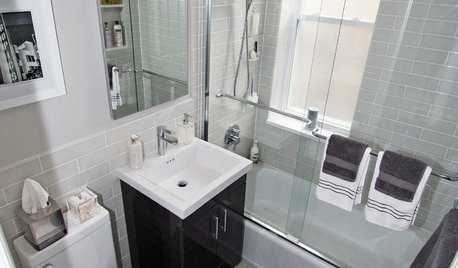
BATHROOM DESIGNWater Damage Spawns a Space-Saving Bathroom Remodel
A game of inches saved this small New York City bathroom from becoming too cramped and limited
Full Story
KITCHEN DESIGNKitchen of the Week: Elegant Farmhouse Style on the Water
Beautifully designed cabinets and more lend a timeless appeal to this kitchen overlooking a river in Canada
Full Story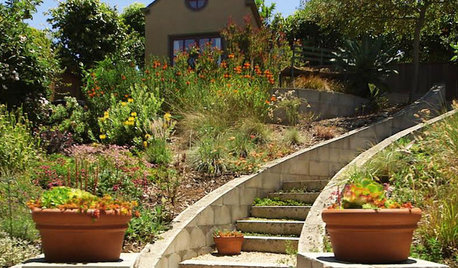
INSPIRING GARDENSHouzz TV: Curves and Surprises Transform a Dry Backyard
A landscape architect’s decision to build a detached studio leads to a whole new backyard full of low-water plants and salvaged treasures
Full Story
HOUZZ TOURSHouzz Tour: Creative Cabin on The Water
San Francisco Bay Area Home is Filled With Found and Handmade Treasures
Full Story
GARDENING GUIDESHow to Keep Your Citrus Trees Well Fed and Healthy
Ripe for some citrus fertilizer know-how? This mini guide will help your lemon, orange and grapefruit trees flourish
Full Story
HOLIDAYS25 Gorgeous Holiday Mantels by Houzzers
Laden with boughs, lights and even lemons, these decorated fireplace mantels show a festive Christmas spirit and a creative approach
Full Story
COLORFUL HOMESThe Best of My Houzz: 10 Living Rooms With Wall Colors to Love
Jet black, Meyer lemon yellow, mossy green — these spaces make a statement with bold color
Full Story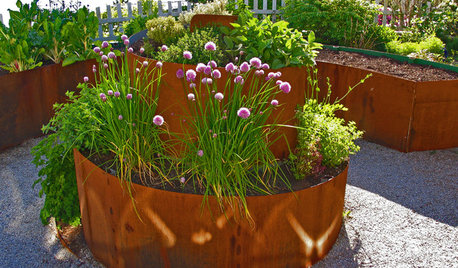
URBAN GARDENSContainers Make Growing Edibles a Cinch
If life hands you a lack of land, grow lemons — with a few basics, you can proudly reap the fruits, veggies and herbs of your labor
Full Story
HOLIDAYSHoliday DIY: Create a Fragrant Pomander Bouquet
Clove-studded lemons combine with fresh flowers and greens in a vibrant arrangement
Full Story
pkramer60