

Need suggestions for native trees in MO
10 years ago
Featured Answer
Sort by:Oldest
Comments (7)
Related Discussions
Tall Tree Suggestions Needed
Comments (12)Well, since you only asked for TALL trees, that's what you got. I would agree that if they are already there, something else might be nicer. The only reason you might want to rethink the "no conifers" idea is if the trailer is very visible when the leaves are off the trees. If you think the bare branches will do the job, OK. Another possibility, again from past memories, is a butternut. You might not be able to find one, as I am not sure if they have commercial qualities, so aren't propagated. You might find a tree and plant a few nuts. The nuts are edible, but need treatment like walnuts (same family), drying, dehusking, with attendant stains, and shelling. They are tasty, as I recall. The squirrels would appreciate them, if you didn't. Walnut is another, more easily found, possibility. I've no experience with the new elms, nor with any of the re-created/hybridized chestnuts, which might be another tree variety to think about....See MoreWhat tree/s to put in my yard in St.Louis MO?
Comments (32)J0nd03- that ft.mcnair is a beautiful tree. Ill have to see what the specs are on it as far as tolerances/preferences. Tornado- no offense taken at all, I'm quite long winded myself (I am a car salesman!) and I love taking politics but unfortunately from what I have learned (perhaps its the area we live in?) most discussions about politics/govt matters turn into a pissing contest/yelling match because when someone has a differeing view than I yet cannot support their claims/reasons for their beliefs they get defensive and resort to un civilized behavior. I think it's hilarious but sure you have experenced it as well! ;) I really appreciate the info your giving me. From what I have read/picked up from folks (a good friend of mine is a horticulture major/landscape business owner) these beech trees will maintain their vibrant foliage as long as they are kept hydrated. I'm site the tree in your pics gets pruned/pest control done professionally and regularly but I'm not sure about the watering part too much?...See MoreNeed suggestions for natives (Photo)
Comments (13)SCENIC PLANNER MAKES THE CASE AGAINST ALIENS June 11, 2009 (CHARLESTON, SC) -- If we fill our parks, lawns or scenic byways with non-native plant material, we might as well pave them over, according to planner Edwin Gardner of Heritage Strategy Group in Charleston, South Carolina. Gardner is an advocate of the concepts Douglas W. Tallamy discusses in his book 'Bringing Nature Home: How You Can Sustain Wildlife with Native Plants.' In a recent post to Heritage Strategy GroupÂs blog -- heritagestrategy.wordpress.com -- Gardner says he agrees with TallamyÂs central point 'that we owe it to the environment to plant only native species, which provide food for our increasingly beleaguered wildlife and avoid apocalyptic risks to the ecosystem.' What are native species? Gardner agrees with Tallamy who defines Ânative as 'having the ability to support a large number of insect and animal species.' Exotic plants brought from other countries that have been 'naturalized' here even for hundreds of years are not native, he insists, since they canÂt support native insect life. For example: 'Our North American caterpillars have not developed the ability to eat leaves of most alien plants,' Gardner says. While that may be music to the ears of nurseries and landscapers who seekout insect-resistant plant material, to the natural ecosystem chain, itÂs disastrous. 'In fact, the caterpillar is a most generous beast,' Gardner says. 'It provides food for most birds, especially during critical nesting periods, and forms the base of a food pyramid thatÂs critical to the whole ecosystem. A yard full of foreign nursery stock may look green and natural, but it might as well be paved with asphalt if youÂre a caterpillar, or an animal thatÂs looking to feed on one.' As a heritage planner, Edwin Gardner develops recreational areas and scenic byways so that growth and prosperity do not interfere with the cultural, historical and natural heritage of the effected areas. That mission drew him to Douglas TallamyÂs book. 'As we develop byway beautification plans or park management plans or anything that involves plantings in a developed area, we have a responsibility to urge that non-native species be eliminated and replaced with true native species,' he insists. Gardner cites several examples of 'environmental destruction wrought by alien organisms and invasive plants that were brought from overseas to beautify America.' To read the entire discussion, visit heritagestrategy.wordpress.com and click on ' A New Philosophy on Landscaping.' Here is a link that might be useful: Heritage Strategy Group's blog...See MoreNative Restoration - need suggestions for replanting
Comments (1)Hi asonnenshine, There was a similar question posted on the Natives Plants forum a few months ago by a fellow in Orange County. I'm on the East Coast so couldn't recommend any plants from experience, but a couple of people stressed the issue of fire safety in your state when selecting native plants. The Resource Conservation District of Santa Cruz County may be able to advise you on selecting native plants that will have the least amount of fire risk. Resource Conservation District of Santa Cruz County: http://www.rcdsantacruz.org/index.html They have a whole web page devoted to fire prevention in Santa Cruz County: http://www.rcdsantacruz.org/Resources/fireprevention.html The page above also has fact sheets on fire-resistant plants, as well as links to the local Fire Protection District Offices in your county. The Santa Cruz County Native Plant Society may also be of some help: http://www.cruzcnps.org/index.html Your local Fire Department may also be able to assist in selecting native plants that are fire-resistant....See More

Related Stories
CONTEMPORARY HOMESHouzz Tour: Native Trees Are Part of This Home’s Design
A coastal New Zealand house is built to blend into a surrounding forest of pohutukawa trees
Full Story
GARDENING GUIDES15 Native Flowers That Feed Native Bees
These perennials offer superfood to hundreds of bees and are gorgeous in their own right
Full Story
TREESGreat Design Plant: Southern Magnolia, Iconic U.S. Native
Massive, fragrant blooms and deep green leaves set Magnolia grandiflora apart from other large shade trees
Full Story
TREESNative Plant Alternatives to Invasive Common Buckthorn
Learn how to identify and control this aggressive plant, and what to grow in its place
Full Story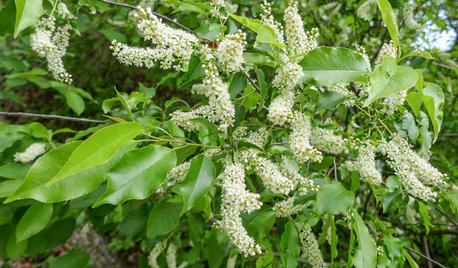
GARDENING GUIDESPlant Black Cherry Trees for the Birds and Bees
Plant Prunus serotina in the Central and Eastern U.S. for spring flowers, interesting bark and beautiful fall color
Full Story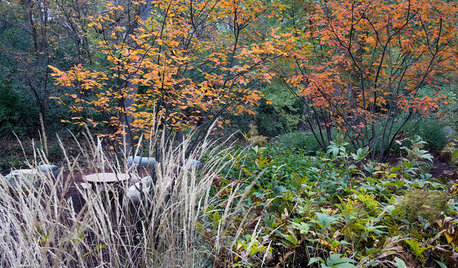
GARDENING GUIDES8 Native Shrubs for Year-Round Bird Feeding
It’s not just about berries. These plants provide insects for birds and seasonal interest for gardeners
Full Story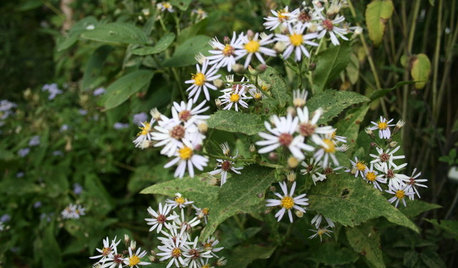
GARDENING GUIDES6 Native Ground Covers for Tough, Dry Spots
Sun beating down on your sandy gravel? Thick shade darkening your clay soil? There’s a ground cover here for you
Full StoryGARDENING GUIDES10 Top Native Plants for the U.S. Southeast
For a low-maintenance and wildlife-friendly landscape, use Southern natives that withstand heat and humidity
Full Story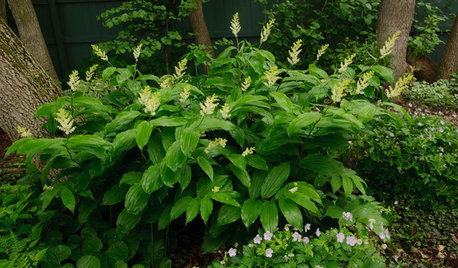
GARDENING GUIDESGarden-Friendly Native Alternatives to Overplanted Exotics
There are lots of gorgeous, wildlife-friendly native plants ready to make an appearance in your garden
Full Story
GARDENING FOR BUTTERFLIES3 Ways Native Plants Make Gardening So Much Better
You probably know about the lower maintenance. But native plants' other benefits go far beyond a little less watering and weeding
Full StorySponsored
wisconsitom