

What makes something a good dip for raw veggies?
10 years ago
Featured Answer
Sort by:Oldest
Comments (10)
Related Discussions
Why is it so hard to find straw? What's a good mulch for veggies?
Comments (24)Cow manure is not a mulch, though it's a wonderful soil amendment. My dad grows in pure composted manure spread on top if his lawn. But if any weed seeds blow in they will love it as much as the veggies. Best cheap/free mulch I've found is newspaper weighed down with burlap. Last year I used hay on top of burlap, the hay tends to blow away and the burlap decomposes within a year, newspaper takes longer and will blow away. Ants tend to build nests under the burlap but the worms love it too, this year I pulled the decomposed burlap off and left the sides of the mounds exposed, put what little hay I had just around the plants (didn't want to hold a lot of moisture in, June was so wet), didn't replace the burlap and the weeds (crabgrass, ragweed, and bindweed) are terrible, I'm going to have a big cleanup job when harvest is done. But for strawberries the best mulch really is straw if you can find it (and I thought $7/bale was high!), in my zone I use leaves and pine boughs to cover for the winter. I got small bales of straw on sale last year after Halloween, also that's the time of year to ask on Freecycle and Craigslist too. Leaves just mold and cause mold/disease on the plants when used in strawberry bed. Pine needles might be good alternative to straw, I just don't have enough clean ones around here with the oaks and maples mixed in with white pine and hemlock....See MoreLOOKING for: Looking for good substitute for sour cream for dips
Comments (7)Several possibilities. Tofu can substitute. Get the soft stuff and whip it through a blender. If necessary, add a little cream to thin it down. Try draining the yoghurt. Line a collander with cheesecloth and pour the yoghurt into it. Let it drain until the thickness you like. Do not let it go overnight, or you'll have yoghurt cheese, and you'll have to thin it down again. Cream cheese thnnied with wither cream or the soured cream you have available. Let the cream cheese come to room temperature before whipping it with the cream. You can also thin the cream cheese with mayo if you like that sort of thing. BTW, don't they still sell clotted cream in Jolly Olde? Check that out as a possible substitute....See MoreVeggie Dip Recipe???
Comments (11)Here are two that I really like. FRUIT SPREAD 8 oz. cream cheese 4 oz. crushed pineapple 1 peeled and grated carrot (sm.) 1 peeled and grated apple (sm.) Combine all ingredients. Cover and chill. Serve with sliced fresh fruit or Ritz & Wheat Thin crackers. PINEAPPLE CREAM CHEESE DIP 2 8-oz. pkgs. cream cheese, softened 1 8½-oz. can crushed pineapple, drained well (put between two paper towels to absorb excess juice) 1½ C chopped pecans, optional ¼ C finely chopped green pepper 2 T finely chopped onion 1-1½ tsps. Season Salt In medium bowl, beat cream cheese until smooth. Gradually add drained pineapple. If using pecans, set aside 1¼ cups to roll the cheese ball in and add the remaining ¼ C to cheese mixture along with the pepper, onion and Season salt. Mix well. Shape into ball and roll in pecans. Wrap in foil and refrigerate overnight. OR just spoon mixture into a serving dish and sprinkle with some chopped pecans and use as a dip. (I prefer this way.) Serve with crackers, bread sticks or raw veggies of your choice....See MoreSalad, veggie tray, or something else?
Comments (26)All of the ideas above look absolutely awesome. Since you have decided on a salad, I wanted to share what I have done several times lately - a very simple antipasto salad. I make it in a 9 x 13 type dish - I have a few that are a nicer than Pyrex, but Pyrex would do as well. It helps people get it out easier - or a large platter would do well too. Chop up romaine, spinach, red leaf, whatever kind of lettuce. Make it small enough so it doesn't need to be cut further. Then top it with green olives, black olives, quartered pepperoni, yellow peppers (the ones in the jar - I use mild), chickpeas, quartered artichokes and cherry tomato halves. I sometimes cook tortellini and throw that in. Then top with some shaved parm cheese. I even buy the stuff already shaved. It is so pretty - and so easy. My family likes Olive Garden salad dressing. I am not a fan of it, so I always have some Italian vinagrette as well. I make this salad and there is never anything left. Enjoy your party!!!...See More 10 years agolast modified: 10 years agoelba1 thanked carolb_w_fl_coastal_9/10
 10 years ago


Related Stories
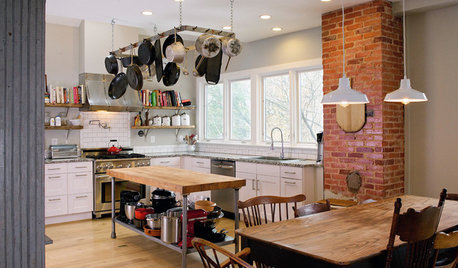
KITCHEN DESIGNNew This Week: 4 Kitchens That Embrace Openness and Raw Materials
Exposed shelves, open floor plans and simple materials make these kitchens light and airy
Full Story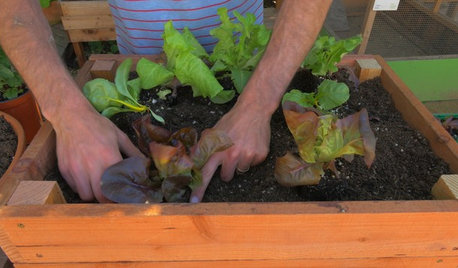
HOUZZ TVHouzz TV: How to Make and Plant a Veggie Box
See how to start edibles from seed, then transfer the seedlings to a box on stilts to make harvesting more fun
Full Story
FEEL-GOOD HOMESimple Pleasures: Make Do and Mend
Experience the satisfaction of fixing, repurposing and creating things yourself around the home
Full Story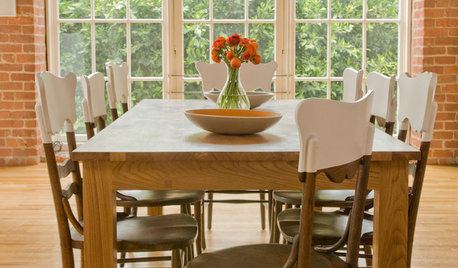
DECORATING GUIDESIdea of the Week: Give Old Furniture a Delightful Dip
Update a Set of Chairs with a Top Band of Crisp White Paint
Full Story
REMODELING GUIDESOld and New Make for a Jolly Good Mix in England
Give an 18th-century country cottage a contemporary addition, and what do you get? A surprisingly cohesive-looking home
Full Story
DECORATING GUIDESOn Trend: 10 Ways to Dip Dye
This fresh take on color adds splashes of style all around the house, from kitchen stools to bedding
Full Story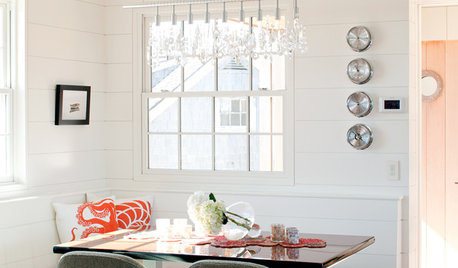
COASTAL STYLEDip a Toe Into Modern Nautical Style
Leave the fishing nets and the wooden sea captain to the clam shacks. Create a beautiful, modern nautical room without a single anchor
Full Story
MATERIALSRaw Materials Revealed: Brick, Block and Stone Help Homes Last
Learn about durable masonry essentials for houses and landscapes, and why some weighty-looking pieces are lighter than they look
Full Story
INDUSTRIAL STYLEMy Houzz: From Raw Space to Hip Home in a Converted Utah Garage
Creative repurposing with an industrial edge defines the first home of an engaged couple in Salt Lake City
Full Story
MATERIALSRaw Materials Revealed: Drywall Basics
Learn about the different sizes and types of this construction material for walls, plus which kinds work best for which rooms
Full Story


Lars/J. Robert Scott