

Apple pie
11 years ago
Featured Answer
Sort by:Oldest
Comments (25)
 11 years ago
 11 years ago
Related Discussions
Freezing Apples for Apple Pie Jam
Comments (1)Wow. That's a buncha jars!...See MoreCanning Apples and apple pie filling
Comments (2)Get some good baking type apples. Peel and slice. I like the little cranking machine that cores and peels, as well as slices all in a few turns of the crank. To can, you must use acorbic acid to prevent oxidation. Adding citric acid or lemon juice is also necessary. The apples are cooked a bit using sugar to your taste. If you wnat more apple taste, add a can of frozen concentrated apple juice. Clear Jel is the modified starch used as a thickener. Only thicken slightly, so its density isnt too heavy. If more thickness needs to be done, that can be at the pie making stage. Its up to you as to spices, most commonly cinnamon. Also, Alton Browns favorite is 'Grains of Paradise' which as a peppery flavor....See MoreApples for Linda Lou's Apple Pie Jam
Comments (9)I did a test today of three apple varieties. I cut half of each into about 1/2 inch pieces and added 1/4 cup of water and placed it in a coffee cup into the microwave on high for 2 minutes. Wealthy stayed in chunks and held up very well after stirring but tasted blah. Gala turned to mush and absorbed all the liquid.[good for apple sauce]. My favorite was Honey Crisp. Pieces held up very well and the taste was wonderful. May I suggest you go to the supermarket and buy one of several varieties and do this test. I didn't try the McIntosh or the JonaMac as I only had half hour lunch break at the Farm Market. The Crispins and Northern Spies are much later here....See MoreFreeze or can apples for apple pie filling
Comments (18)What exactly is "approved" sources? I don't imagine the government approves any sources other than themselves, so who is doing the approving? Is there some kind of list somewhere you are referring to? Or do you mean only use recipes listed on the NCHFP website? The Ball Corporation (Jarden in Canada) publications on home canning have been held as THE approved source for over 100 years. The are often referred to as the canning bible and are well known for their ongoing research and updated publications on safety issues. This was long before the USDA or FDA came into existence. Also for decades Rodale Publishing was also regarded as totally safe in their canning publications. Unfortunately they quit maintaining the currency of their canning publications when NCHFP was created but with a few exceptions most of their publications are still valid. In addition there are the USDA and FDA publications, all the publications from NCHFP, all the publications from the many land-grant university extension services, and many publication from well-known food scientists such as Linda Ziedrich, Ellie Topp, Margaret Howard, etc. People who have the educational credentials and research background to know what they are talking about as opposed to the many bloggers and authors that merely subscribe to the "it hasn't killed anyone yet" school of science. There are a number of discussions here about what constitutes approved sources, which books are approved and which should be avoided, and reviews of various canning blogs pro and con. There used to be a number of MFP's (Master Food Preservers) that participated here on a regular basis and we made a concerted effort to review new publications and websites as they came up. Unfortunately Deanna and I are the only ones we have heard from since the move to Houzz but all that past info from the others is still available here and classes are available to anyone who wishes to takes them through their local county extension service. If you don't want to invest the time in getting the MFP credentials then take some basic classes or even the basic online course offered by NCHFP is a place to start. Honestly I find a lot of this kind of arbitrary. I'm sure it does seem that way when one is new to the process or has none of the underlying science training. But they aren't arbitrary. There are valid reasons, based in research and testing for all these guidelines. So everyone is left choices: (1) to either get the training so that they do understand it all and know where changes can and cannot be made (2) or accept them at face value and do them in order to have the assurances of safety they provide (3) or to challenge, question, ignore, and criticize them and just do their own thing when it comes to canning as long as they willingly accept the associated risks that come with that approach. The internet has plenty of blogs and forums that have adopted #3 approach and preach against the accepted guidelines. In some cases it is because they don't know any better, in some cases it is because they don't care, and in some cases it is because they claim to hate the government and reject all that it stands for or represents. This particular forum has long had the reputation of being safety oriented, or rejecting the make-it-up-as-you-go-along canning methods, and a place where those new to home canning can get safe advice. Are the guidelines perfect? Of course not. But they are the best and safest options we have available. Dave...See More 11 years ago
- 11 years ago
- 11 years ago
- 11 years ago
- 11 years ago
- 11 years ago
- 11 years ago
- 11 years agolast modified: 11 years ago
 11 years ago
 11 years agolast modified: 11 years ago
- 11 years ago
- 11 years ago
- 11 years ago
- 11 years ago
 11 years ago
- 11 years ago
- 11 years ago
- 11 years ago
- 11 years ago
- 11 years ago
- 11 years ago
- 11 years ago

Related Stories
PRODUCT PICKSGuest Picks: Pi Day + Pie Stuff = Yummy Fun
Add these tools and accessories to your baking arsenal and watch smiles multiply
Full Story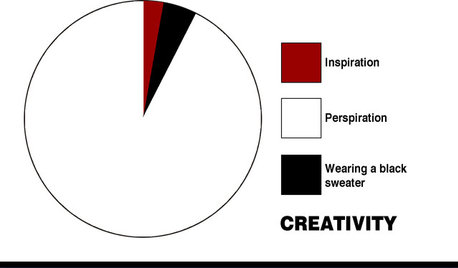
COFFEE WITH AN ARCHITECTDesign Explained in Pie Charts
If you've ever wondered about the creative process of architects and designers, check out these simple charts
Full Story
DECORATING GUIDESCrisp, Fresh: Go for Green Apples
On the Walls or Au Natural, Green Apples Pack a Decorative Bite
Full Story
EDIBLE GARDENSHow to Add an Apple Tree to Your Edible Garden
Readily available, beautiful and fragrant, apple trees offer four-season interest along with crisp, juicy fruit
Full Story
KITCHEN DESIGN16 Scrumptious Eat-In Kitchens and What They Want You to Serve
Whether apple-pie cheerful or champagne sophisticated, these eat-in kitchens offer ideas to salivate over
Full Story
EDIBLE GARDENSWhy Grow Quince? For Beauty, Fragrance and Old-Time Flavor
Delightfully perfumed fruit and lovely spring blossoms make this apple and pear cousin worth a spot in the garden
Full Story
HOUZZ TOURSHouzz Tour: Undone in the French Quarter
Color and history abound in this ‘unrenovated’ pied-à-terre in the Big Easy
Full Story
GARDENING AND LANDSCAPINGCrazy for Fruit Trees
Whether a single citrus or a mini apple orchard, even the smallest landscape space can bear deliriously delicious fruit
Full Story
PRODUCT PICKSGuest Picks: Fun at the Thanksgiving Kids' Table
Colored pencils, faux wishbones and more will keep children entertained before the turkey and after the pie
Full Story0

SHOP HOUZZShop Houzz: Create a Fresh Fall Dining Room
Natural wood dining furniture, warm textiles and earthy tableware inspired by autumn
Full Story0


Rose PekelnickyOriginal Author