

The Plusses and Minuses of the Book Club Book
11 years ago
Featured Answer
Sort by:Oldest
Comments (14)
 11 years ago
 11 years ago
Related Discussions
What have you been reading lately?
Comments (58)I'm currently reading "Game of Thrones", and really enjoying it. Terriks, I know exactly what you mean about the "porn" in the first episode--we got the 1st season on DVD (no HBO at our house...) and I was sort of appalled. However I liked the overall story so we stuck with it. Interestingly the later episodes did not have nearly as much--perhaps they felt like they needed to reel in a certain kind of viewer at the beginning. Eew! I also enjoy mysteries. Recently I enjoyed the "Lincoln Lawyer" series of books by Michael Connelly. There are five that follow that character. Some of my favorite "special" books I've read from over the past year: "City of Thieves" a great coming of age novel by David Benioff set during the siege of Leningrad. "The Whistling Season" by Ivan Doig. I LOVED this book, but I have to confess some of my book club buds were just okay with it, since it it not super plot-driven. If you like books about interesting people you just want to spend time with, and beautifully crafted language, this is great. Funny and sweet and wistful, narrated by a man looking back at a special year in his childhood in rural Montana. Especially good to read if you are a teacher. "Unbroken" by Laura Hillenbrandt. Pretty harrowing non-fiction, but really fascinating, too. "Any Bitter Thing" by Monica Wood. Our book club read this and every person loved it. I've also recommend it to several people, and they all loved it as well. It can be a little hard to find unless you order online, and none of us can figure why it didn't become a huge bestseller. It has some mystery elements to it, but it's more than that. Happy reading to you all, and thanks for the suggstions...See MoreAny RV-ers have advice for me?
Comments (32)We have a pop-up camper. We've camped in several western states at various campgrounds including national parks, forestry service, BLM and a few others. Most are a lot less expensive than the KOA costs mentioned above. Most have cost $15-$25 per night. Some spots are even free. It all depends on your wants and needs. We have a generator and don't necessarily have to be attached to water or electricity. If you're going to be camping in certain states on a regular basis, it would be worth it to buy a couple of books that detail the campgounds within a state, their views, amenities, comfort, etc. You can also look up some info on-line so you know what to expect. My dh always likes to plan his trip before we go. Sometimes we get the campgrounds we want and sometimes they are full. Some campgrounds are reservable and others are not. The book can usually give us ideas on other areas to look. It will also let you know if the camping area is big enough for your RV. The books are also good for sightseeing ideas that we would have otherwise missed. There are also on-line forums for those who like to camp. It's nice to have a first hand account on whether an area is worth your time or not....See MoreThinking of Purchasing home in a brand new community... Pros/Cons
Comments (6)Here are my thoughts... The people that get in power on the board for your HOA are usually real idiots who will mismanage the funds and make everyone's life a living hell. It doesn't matter what the price range of the community is. You have to live with this. The maintenance fees can and will go up especially if you have a lot of ammenities and not a lot of homes to offset the cost. New construction homes typically come with no improvements so you have to put up some cash in the beginning for blinds, and appliances and whatever. If you have a reputable builder who gives a warranty... or not... you will be fixing minor (hopefully it's minor) stuff for the first year or so. If you're one of the first homes in the hood, you will be blessed with construcion noise for however long it takes to finish. Now for some plusses, you get to live in what sounds like will be a well maintained community consisting of well to do residents and your property will probably be very desirable years down the road long after the community is closed out. You get a new house for less than a custom build on a city lot. (usually) You get ammenities that you will probably never use but even if you do, it's a lot cheaper than building your own tennis court. And last but not least, having neighbors is kind of nice sometimes if they are nice neighbors. If you have kids, there will be other kids to play with and other social events. Things to look out for... The placement of your lot... make sure it's not at the beginning of the community or you will have a lot of traffic passing by you. On the other hand if you are way in the back you will have to drive slowly through the neighborhood anytime you want to get somewhere. Make sure you're not on a thoroughfare where people will speed and not on a corner lot where people run stop signs and drive on your lawn. Sizes can be decieving. Make sure the driveways are sizeable and there is adequate space between each lot for comfort. Look at all the other floor plans and make sure you've got one of the smallest ones. Never buy the biggest or most expensive home in a community! And make sure you don't have a lot of townhouse type things that might be potentially rented out if provided for in the rules. Last but not least, talk to existing residents either in this neighborhood or others the builder has done and ask them what their experience was like and if there have been any major problems to look out for. Ask them if the temporary management company is tending to community maintenance and responsive to phone calls....See MoreTwo questions on landscape services and lawn maintenance
Comments (8)First question: Where do you live? That makes a big difference as to the advice we might give you. And as a corollary to that statement, not knowing where you live is why there are no really good lawn books for you. It seems to me that the lawn books are all written in Indiana for Indianans. So if you live in Minnesota, Vermont, Florida, Texas, Washington, or really anywhere outside of Indiana, the advice will not be the best. And if you live in a big place, please tell us what town you live in. For example SoCal has every hort zone and soil type, so just saying SoCal is not helpful. Even saying Los Angeles is not good because there are not that many lawns in LA proper. Plus LA extends from Long Beach to Santa Monica which covers a lot of ground. What kind of grass do you have and what do you want to have? Do you just want it green, do you want it to be all one type of grass, or do you want it to be the nicest lawn on the block? Lawns need water, mowing, and fertilizer. If you are doing those things right, then they should not need dethatching, crabgrass control, other weed control, insect control, or mechanical aeration. Lime is a different topic. You're going to be surprised at how easy it can be to have a very nice lawn, so here goes. The following is fairly generic with some attempt to expand outside of Indiana. Watering Water deeply and infrequently. Proper watering is your first line of defense against weeds. When you water deeply you will not need to water every day. Weed seeds LOVE it when you water every day. If you don't water for a week or two (or three or four), then the weed seeds cannot germinate. So just doing this right will save you the cost of all the herbicides (eventually). Deeply means a full inch all at one time. Measure that by putting out cat food or tuna cans and turning on your sprinkler. Time how long it takes to fill all the cans. Mine takes 8 full hours. It can take as little as 20 minutes, so time yours carefully. Then remember that time because that will be the time you water every time you water from now on. Infrequently depends on many factors but is so closely related to air temperature that you should start with this guideline: Above 90 degrees - once per week. Above 80 degrees - once every 2 weeks. Above 70 degrees - once every 3 weeks. Below 70 - once every 4 weeks. If you start now with that schedule then by July your grass will have developed deep roots which can withstand the summer heat and go a full week without watering. There are very few exceptions to this rule (Las Vegas area because of soil, aridity, and heat). Improper watering is the cause of many lawn issues, so get this right. Mowing Most grasses do best when mowed at or near the mower's highest setting. The exceptions are bermuda, centipede, and creeping bentgrass. Those should be mowed at the mower's lowest setting. Mulch mow once a week unless you have bermuda. That needs to be mowed 2x and sometimes 3x per week. Fertilizer You mentioned Scott's. I believe they are selling you more stuff than you need. It sounds good when you hear it, but you don't need all the stuff they push. One of the elements of lawn care which has come to prominence since the late 90s is the importance of a healthy "soil food web" in the garden. We're talking about microbes (bacteria, fungi, protozoa, and microarthropods). These critters need food to thrive and develop a healthy soil for you. So what do they eat? They eat food. If you look at the ingredients on a bag of organic fertilizer you'll see it contains wheat, corn, soy, alfalfa, and some animal byproducts (chiefly feather meal and poultry litter). All these materials are food for the surface layer of soil microbes. Lower layers live off of the waste products from the upper layers of microbes. After going through 3 weeks of microbial processing, the food you put on the soil is converted into natural plant food for your grass and delivered at root level. You don't have to do anything! The Scott's 4-step products don't have any microbial food in them so your soil can become less than healthy as the food is depleted. In fact the insecticide in their product actually kills the microarthropods...because they are insects. Wiping out an entire class of species in the food web can throw off the balance of nature until the species eventually return. All this is to help get you over the hurdle of using organic fertilizer. Most of the lawn gurus are using organics; however, they are not necessarily buying organic fertilizer. It turns out you can buy the ingredients at your local feed store for about 1/6 the cost of commercially bagged organics. The application rate is from 15 to 20 pounds per 1,000 square feet. If you accidentally double that rate it will not hurt the grass, so there's a huge safety factor built in. Or, if you want to use chemical a approach anyway, someone can help you with that, too. How often you fertilize depends on what approach you take and what grass you want. Soil testing If you want to have the best lawn on the block, or if you are having trouble growing any lawn at all, then you need a soil test. The only place to have that done is Logan Labs in Ohio. Sure you can get it done locally, but for $25 the test you get at LL will be much MUCH better than what you get at your local university or county extension service. If you do that, post your results here and morpheuspa can help you understand it and tell you what to get. Good soil tests are necessarily complicated. Cleaning up bare patches and turning them into grass will depend on what your grass is. Answer the questions at the top of this post and we can help you more....See More- 11 years ago
- 11 years ago
- 11 years ago
 11 years ago
 11 years ago
 11 years ago
- 11 years ago
 11 years agolast modified: 11 years ago
- 11 years ago
- 11 years ago
- 11 years ago
Related Stories

KITCHEN DESIGNAlternatives to Granite Countertops, Part II
Still looking for a new kind of countertop? Try sodalite, zinc, limestone, onyx and more
Full Story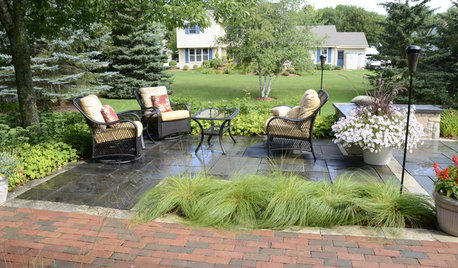
LANDSCAPE DESIGN5 Reasons to Consider a Landscape Design-Build Firm for Your Project
Hiring one company to do both design and construction can simplify the process. Here are pros and cons for deciding if it's right for you
Full Story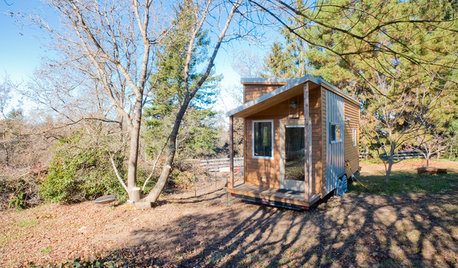
SMALL HOMESHouzz Tour: Rolling With Simplicity in a Tiny House on Wheels
Just 240 square feet, this California home encourages efficient living — but there’s still room for yoga
Full Story
ACCESSORIESTo Chop or Not to Chop?
Karate-chopped pillows pop up in design photos all the time — to the delight of some, the dismay of others. Here's why
Full Story
KITCHEN DESIGNKick Back in Comfort in Your Own Kitchen Lounge
Keep the cook company or just relax solo in a kitchen hangout with all the comforts of a lounge
Full Story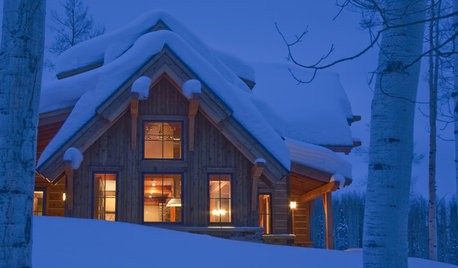
LIFEIs Cabin Fever Real? Share Your Story
Are snow piles across the U.S. leading to masses of irritability and boredom? We want to hear your experience
Full Story
DECORATING GUIDES10 Design Tips Learned From the Worst Advice Ever
If these Houzzers’ tales don’t bolster the courage of your design convictions, nothing will
Full Story
MOST POPULARThe Not Naturally Organized Parent's Guide to the Holidays
This year get real about what you can and cannot handle, and remember the joys of spending time with the ones you love
Full Story
COMMUNITY15 Ways to Make Your Neighborhood Better
Does your community lack ... well, a sense of community? Here's how to strengthen that neighborly spirit
Full Story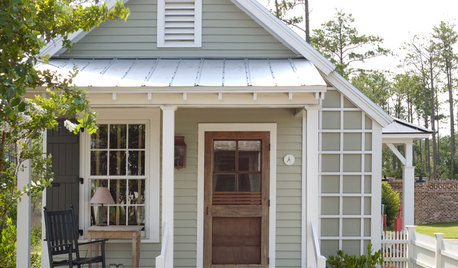
MOVINGHow to Avoid Paying Too Much for a House
Use the power of comps to gauge a home’s affordability and submit the right bid
Full Story
martin_z