

I'm still learning.....
11 years ago
Featured Answer
Sort by:Oldest
Comments (18)
 11 years agolast modified: 11 years ago
 11 years ago
Related Discussions
FAQ version 1.0
Comments (15)Up, up and not away!...See Morefaq 2.0
Comments (20)Maybe we can repost this with a note NOT to reply that way it stays at the top? Is there a way we can sticky this?...See MoreHi! I'm new to gardening and Gardenweb. Some advice please?
Comments (15)I'll reinforce some of the others' suggestion, and maybe change some. If you're looking for the cheapest possible way to create a landscape, try the following: Go to your library and check out some books on garden design. While you're there, get one or two about plant propagation. Read, read, read. Take notes. Plan on paper. Keep in mind when you plan that what you're planning isn't cast in stone. If the yard is completed slowly -- to accomodate your budget -- then you'll have plenty of time to change your mind. And in the end, there's something very satisfying about seeing a plan become a reality. Also, it's not necessary to buy nice paper or colored pencils. Printer paper and crayons work just fine. Or notebook paper (you can draw lines the other direction to make a grid and use the grid to approximate space in your yard so you're not overplanning the space). And if you have a computer, that's even better: I don't know about Macs, but the IBM version of the Windows operating system comes with a very basic program called Paint which works just fine, and you can change the layout to your hearts content without throwing away a scrap of paper. If your soil is heavy, start collecting leaves and plant material scraps *now* and create impromptu compost piles. Get stuff from your neighbors: grass clippings, fallen leaves, trimmings, etc. If your yard is unplanted you have plenty of room to create piles for composted material. With time, patience, a lot of hard work, some indulgence from your neighbors, and a few large and unsightly piles, you can have a decent amount of soil amendment for cheap or free. (Though you may have to compost for as much as a year to generate enough for your purposes). I definitely second the getting-cuttings-from-your-neigbors approach. Or drive (or walk) around town and find plants that really strike your fancy instead of limiting your selections to your neighbor's tastes. And make sure you understand propagation (getting and using cuttings) before you go, not just so that the cuttings survive and thrive, but in case the owner of the plant you lust after takes some convincing because they don't understand propagation and need it explained that what you're after won't damage their plant. For pots to grow cuttings in, yogurt containers work fine, and you can pot up to gallon milk containers when you need to. The things that will be tough to find for cheap or free are the hardscape items. One recomendation I have is for mulch paths (or mulch in general): you can usually get mulch from power companies when they have to cut down brush or trees for maintenance purposes. If you tell them you want the mulch from the next job, they'll make it and drop it free of charge (or exceptionally cheap), though you have to be willing to accept an unknown (usually large) amount and you'll have no control over the timing. If you're worring about getting too much, try making arrangements with your neighbors for taking any excess off your hands. With patience, time and (sometimes huge) effort, you can have a nice landscape for the price of rooting hormone, soil-less sterile mix (for the cuttings) fertilizer, and some hardscape materials. Now, you may not want to go about it in this bare-bones a manner, but I took my suggestions to the extreme just as a reminder that landscapes do not need to be store-bought and expensive. Good luck!...See Moreoh man please help....i'm clueless Ipe? What and how? whew
Comments (1)Post another pic, zoom in close up on the grain, show the end grain also. This is not Ipe. Ipe will not hold a finish with a sheen like that. It looks to me like T&G flooring, which should never be used outside....See More- 11 years ago
- 11 years ago
 11 years ago
- 11 years ago
- 11 years ago
- 11 years agolast modified: 11 years ago
- 11 years agolast modified: 11 years ago
- 11 years ago
- 11 years ago
- 11 years ago
- 11 years ago


Related Stories
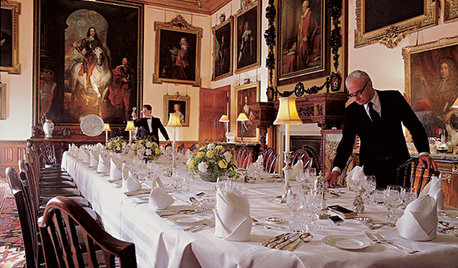
FUN HOUZZEverything I Need to Know About Decorating I Learned from Downton Abbey
Mind your manors with these 10 decorating tips from the PBS series, returning on January 5
Full Story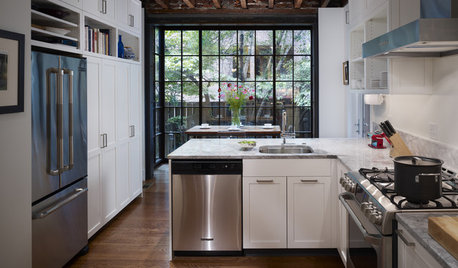
FEEL-GOOD HOME12 Very Useful Things I've Learned From Designers
These simple ideas can make life at home more efficient and enjoyable
Full Story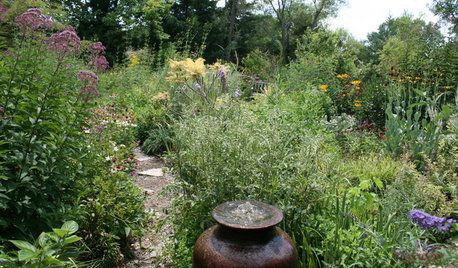
GARDENING GUIDESHow I Learned to Be an Imperfect Gardener
Letting go can lead to a deeper level of gardening and a richer relationship with the landscape. Here's how one nature lover did it
Full Story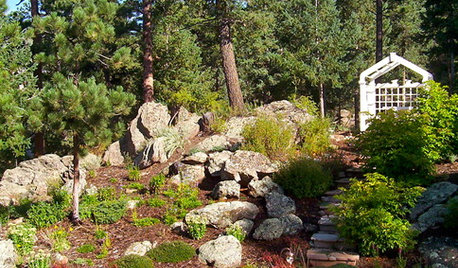
GARDENING GUIDESHave Acidic Soil in Your Yard? Learn to Love Gardening Anyway
Look to acid-loving plants, like conifers and rhododendrons, to help your low-pH garden thrive
Full Story
INSPIRING GARDENSWhat We Can Learn From Longwood Gardens’ New Meadow
Sustainability, ecology, native plant communities ... this public garden is brimming with lessons on horticulture for home gardeners
Full Story
BEDROOMSCanopy Beds: All Grownup and Still Magical
Add a Dose of Drama and Romance With an Elegant Four-Poster
Full Story

CONTRACTOR TIPS6 Lessons Learned From a Master Suite Remodel
One project yields some universal truths about the remodeling process
Full Story
LIFEThe Day She Learned the Serenity Prayer for Homeowners
A flooded house and a high school graduation party intersect to teach some life lessons
Full Story

TulsaRose