

Walk, Turkey Talk
15 years ago
Sort by:Oldest
Comments (13)

Related Stories
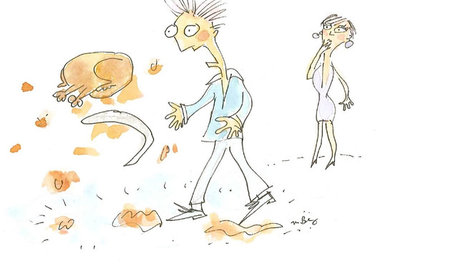
MOST POPULARThanksgiving Tales: When the Turkey Tanks
Houzz readers prove adept at snatching victory from the jaws of entertaining defeat
Full Story
LIFEIf You Could Talk to Your House, What Would You Say?
‘Pull yourself together’ or ‘thank you for transforming my life’? Notes to homes around the country hit us where we live
Full Story
DECORATING GUIDESExpert Talk: Walk on the Wild Side With Animal Art
Bring untamed power and energy to your interiors with sophisticated, personal or just darn cute animal art
Full Story
PRODUCT PICKSGuest Picks: Talkin' Turkey
20 kitchen essentials and extras for the star of your Thanksgiving feast
Full Story
DECORATING GUIDESExpert Talk: Designers Open Up About Closet Doors
Closet doors are often an afterthought, but these pros show how they can enrich a home's interior design
Full Story
LATEST NEWS FOR PROFESSIONALSTalking About the Budget Doesn’t Have to Be Awkward
These 4 tips can help when you’re discussing project costs with clients
Full Story
KITCHEN DESIGNExpert Talk: Design Lessons From 9 Stunning Kitchens
Architects share a behind-the-scenes look at the design decisions for some of their most interesting kitchen projects
Full Story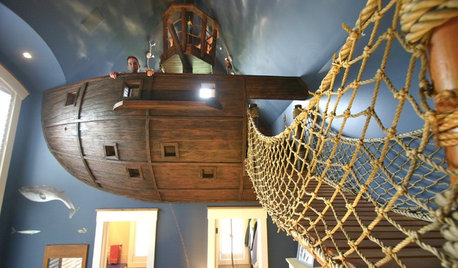
FUN HOUZZAvast! 9 Spaces to Treasure for Talk Like a Pirate Day
These swashbuckling rooms and features may just rob you of the need to ever grow up
Full Story
BATHROOM DESIGNExpert Talk: Freestanding Bathtubs Make a Splash
Professional designers explain why they chose freestanding tubs and how the style can enhance the design of any bathroom
Full Story
BATHROOM DESIGNExpert Talk: Frameless Showers Get Show of Support
Professional designers explain how frameless shower doors boosted the look or function of 12 bathrooms
Full Story
gardengal19
mustangs81
Related Discussions
Tree Talk & Garden Walk in Plano March 3
Q
Let's Talk Turkey
Q
My 13 month old isnt walking or talking
Q
not walking or talking 18months?? advice please!!
Q
teresa_nc7
ruthanna_gw
dcarch7 d c f l a s h 7 @ y a h o o . c o mOriginal Author
dcarch7 d c f l a s h 7 @ y a h o o . c o mOriginal Author
foodonastump
dcarch7 d c f l a s h 7 @ y a h o o . c o mOriginal Author
Teresa_MN
hawk307
dcarch7 d c f l a s h 7 @ y a h o o . c o mOriginal Author
mtnester
dcarch7 d c f l a s h 7 @ y a h o o . c o mOriginal Author