

List of GMO-free Foods & allergies and genetically modified food
12 years ago
Featured Answer
Sort by:Oldest
Comments (33)
 12 years agolast modified: 11 years ago
- 12 years agolast modified: 11 years ago
Related Discussions
Which of our food crops are mostly GMO?
Comments (33)Natural gas can power farm equipment...and it seems we have a lot...even though most of it is being shipped off-shore into the world market rather than keeping it around here...which is a testament to my natural gas heating bill not going down even though they're pumping more out of the US than any other place in the world. Sigh. There are gains being made in runs-on-electric farm equipment (grid electricity), but most of that is in small cultivators and small tractors which aren't large harvesters or large scale plowing machines. China is a heavy innovator in this market, but larger manufactures like J.Deere are developing prototypes (diesel-hybrids mostly)....See MoreIf you had a choice to eat GMO foods, would you? Yes/No
Comments (76)The following was stated: "Glyphosate breakdown via heat produces mostly aminomethylphosphonic acid, carbon monoxide/dioxide, amino acids, and water/vapor...similar to microbe breakdown, but a lot faster. ." H.Kuska comment. I am aware of the microbe breakdown products, but I am not aware of any references that state that the thermal breakdown is similar. The melting point of glyphosate is nearly 230 degrees C. That would be nearly 446 degrees F. This is the main thermal paper that I have been able to find so far. Unfortunately it does not identify the glyphosate decomposition products. Howver, it appears to me that very little glyphosate would actually decompose in normal hosehold use. The first observed decomposition product is: "By analyzing the infrared spectrum of the sample which is processed by rising temperature to 260 C at the heating rate of 6 C min-1, the most possible group loss in this stage may be methylene. Moreover, the mass loss in the first stage by TGA is in accordance with the mass loss of a group of methylene in the molecular of glyphosate." Then. "With the temperature increased, the second stage appeared the exothermic peak after a smaller main endothermic peak, and the lost mass had continued, which indicated that this stage might occur burning phase, thus exothermic phenomenon occurred. By analyzing the infrared spectrum of the sample which is processed by rising temperature to 360 C at the heating rate of 6 Cmin-1, the most possible group loss in this stage may be the group of carbonyl. Moreover, the mass loss in the second stage by TGA is in accordance with the mass loss of a carbonyl in the molecular of glyphosate." Now Canola Oil has a smoke point of around 238 degrees C, so I doubt that the glyphosate is breaking down very much in normal Canola Oil use. http://www.culinary-yours.com/frying_oil.html Of course, if you can document your answer, I am willing to look at the reference. Here is a link that might be useful: link to thermal study...See MoreGenetically Modified Organisms--GMOs
Comments (7)What kimmsr said is completely and utterly wrong and indicative of someone who doesn't know basic biochemistry. To answer the original poster's question however, the answer is, no. Genetically modified plants don't in any way effect the microflora. Furthermore, you can't presently purchase any gmo seed for your lawn or garden. The gmo seed companies use distributors who only sell to farmers and you have to sign a contract beforehand. These distributors don't even list their pricing online so you pretty much have to call them to place an order and they don't sell in small quantities. Unfortunately, there are many seed companies who sell to gardeners who are taking advantage of people's ignorance and labeling their seeds gmo-free even though no seed company who sells to the average citizen sells any gmo seeds. Its deceptive advertising. If you can buy it online and its not being sold in a 50lbs sack or larger then its not gmo....See MoreGenetically Modified Crops/ Blessing or Danger?
Comments (12)You can bet I will stick with Bakers and companies I know that DON'T sell silly seed. I am going to post the link that Dawn turned me onto, on "Please don't laugh" thread. I read all of it and also downloaded the video, as it would behoove all of us to do, because this affects all of us, not just the small farmers that are being blackmailed, and sued by Monsanto for using their seed, which they've managed to patent. This, even though the farmers had planted their own saved seed, the pollen in the Monsanto crops cross pollinated with the farmers and altered their plants. The upshot was that the courts have decided in favor of Monsanto, and further, that it didn't matter HOW the patented Monsanto "effected" plants got into the farmer's fields and crops, the farmer is liable to OWE Monsanto. And also, that the crops then technically BELONG to Monsanto. Oh, it gets worse! And I think we had all start arming ourselves with the facts. Larry was right when he said whomever owns the seeds, controls the world. And that's what it's coming down to, and apparently Monsanto's evil scheme. Do you know that, according to Sen. Inhofe's response to me, Oklahoma farmers are already using Monsanto seed in their fields? And, for example, let's say one of these farmers has planted Monsanto genetically modified corn in the field next to your property, and the wind currents, birds, insects, (if they survive), happen to drift over and cross pollinate with your hithertofore heirloom seed...it will be goodbye heirloom seed. There is NO way to undo the damage, or save your heirloom seed. It has been unalterably changed. Furthermore, if Monsanto's seed police find out, they can claim your corn is Monsanto's property, and either sue you for infringing on their "intellectual property" OR charge you for using it. Nice guys huh? Welcome to the world of corporate thugism. There is a word for it when big corporations and government operate together to control a country and it's people. Since as Sen. Inhofe so PROUDLY says, the food we eat coming America's commercial farmlands now contains 60% of genetically engineered "ingredients" whatever they may be...doesn't that make you think twice about buying a package of corn chips, tortillas, corn flakes, soy products, or just about ANYTHING. How about going out to dinner someplace? There are no FDA regulations requiring labels to be placed on products containing GMO. Will this not end until it has encompassed the entire planet irrevocably? I fear we have just seen the tip of the iceberg. I urge everyone to visit the link Dawn originally posted. If enough Oklahoman's and others complain loud enough it could conceivably be stopped, at least close to home. I think it was Mendicino County environmentalists in California that got laws passed to ban GMO from being used there. If it can be done there, it can be done here in our counties as well. Perhaps in the entire state. Finally, I think the Monsanto lobbiests have sold Sen. Inhofe and others a bill of goods. To send out a form letter instead of seriously studying a very serious issue is not my idea of good representation. Barbara Here is a link that might be useful: Monsanto and GMO crops...See More- 12 years agolast modified: 11 years ago
- 12 years agolast modified: 11 years ago
- 12 years agolast modified: 11 years ago
- 12 years agolast modified: 11 years ago
 12 years agolast modified: 11 years ago
 12 years agolast modified: 11 years ago
- 12 years agolast modified: 11 years ago
- 12 years agolast modified: 11 years ago
- 12 years agolast modified: 11 years ago
- 12 years agolast modified: 11 years ago
 12 years agolast modified: 11 years ago
 12 years agolast modified: 11 years ago
- 12 years agolast modified: 11 years ago
- 12 years agolast modified: 11 years ago
- 12 years agolast modified: 11 years ago
- 12 years agolast modified: 11 years ago
- 12 years agolast modified: 11 years ago
- 12 years agolast modified: 11 years ago
- 12 years agolast modified: 11 years ago
- 12 years agolast modified: 11 years ago
- 12 years agolast modified: 11 years ago
- 12 years agolast modified: 11 years ago
- 12 years agolast modified: 11 years ago
- 12 years agolast modified: 11 years ago
- 12 years agolast modified: 11 years ago
- 12 years agolast modified: 11 years ago
- 12 years agolast modified: 11 years ago
 12 years agolast modified: 11 years ago
 12 years agolast modified: 11 years ago
- 12 years agolast modified: 11 years ago

Related Stories
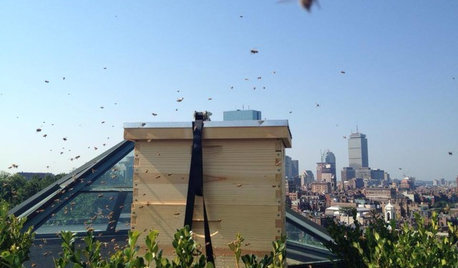
FARM YOUR YARDHello, Honey: Beekeeping Anywhere for Fun, Food and Good Deeds
We need pollinators, and they increasingly need us too. Here, why and how to be a bee friend
Full Story
HEALTHY HOME18 Ways to Allergy-Proof Your Home
If you're itching to reduce allergy symptoms, this mini guide to reducing allergens around the house can help
Full Story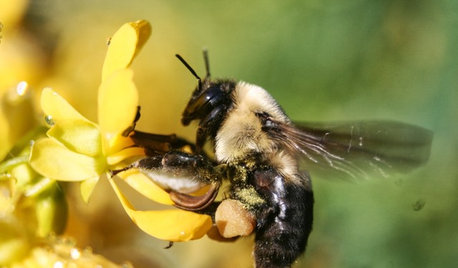
GARDENING FOR BUTTERFLIESGardening for the Bees, and Why It’s a Good Thing
When you discover how hard bees work for our food supply, you may never garden without them in mind again
Full Story
ARCHITECTURE10 Advantages of the Humble Ranch House
Boomer-friendly and not so big, the common ranch adapts to modern tastes for open plans, outdoor living and midcentury mojo
Full Story
HEALTHY HOMEWhat You Need to Know About Dust and How to Fight It
Breathe easier with these 10 tips for busting mites, dander and other microscopic undesirables
Full Story
LIFEHow to Stay Relaxed When Hosting Overnight Guests
Make sure their visit goes smoothly by following these simple steps
Full Story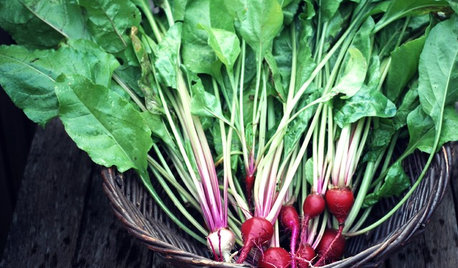
EDIBLE GARDENS8 Last-Minute Additions to a Summer Edible Garden
It’s not too late to get these vegetables and herbs planted for a bountiful harvest this year
Full Story
HEALTHY HOMEGive Your Baby the Healthiest, Safest Nursery Possible
Protect your newborn by choosing nontoxic nursery furniture, bedding, rugs and paint. We give you all the details here
Full Story
HOUSEKEEPING7-Day Plan: Get a Spotless, Beautifully Organized Living Room
A task a day sends messes away. Take a week to get your living room in shape
Full Story
MOST POPULAR7 Ways to Design Your Kitchen to Help You Lose Weight
In his new book, Slim by Design, eating-behavior expert Brian Wansink shows us how to get our kitchens working better
Full StorySponsored

strawchicago z5Original Author