

Do snakes live in those holes I see in my garden?
21 years ago
Featured Answer
Sort by:Oldest
Comments (28)
 21 years ago
 21 years ago
Related Discussions
Hole in my garden
Comments (6)We have a huge population of chipmunks in our rose garden. They burrow and dig holes like the ones you mention. Do you ever hear a chipping or chirping sound that about drives you crazy before it stops? If so you could have chipmunks. I've heard mothballs work great, but I don't know if they hurt the garden or not. I'll be watching this thread with interest to see if anyone knows. Ginni...See MoreHelp identify snake image - in my garden
Comments (34)Ok - Here is how I recieved my first snake bit (for those curious) I knew it was going to happen (even before I stuck my hand in the aquarium). A friend of mine ran a apartment complex in Georgia. He had found a Red Tail Boa in a apartment that had escaped, and the owner had been evicted. He took it home, put it in a 10 gallon aquarium, the snake was a good 5' or more. He had crammed the tank full of towels, and put in a hot rock, and had a 150W light bulb shining in the poor snakes face 24 hours a day (for warmth he said) He added a coffee cup of water for the snake to drink out of - and of course - the snake had tipped it over. David, while his intentions were good - he was afraid of the snake. He had not fed it, and it was "not happy" I knew that I was going to get nailed before I even put my hand in the tank to remove the wet towels, and clean up the water. The snake did exactly what I expected him to do. He struck me, and wrapped my arm very quickly. I stood there (my daughter watching) with a snake stuck to my arm. I gently pryed his mouth from my arm - and after cleaning the cage, returned him to it. I made sure not to even cringe - as I did not want my daughter to develop a fear of snakes! I never made a sound, and I think my calmness helped both me, the snake, and my daughter. I told Richard and his elderly mother that the snake needed to be with someone familiar with handeling snakes (I had grown up with boa's because my brother had one when I was a little girl) They sold me the snake, I put it on a plane to Texas, took it to my brother - who then placed it with a person who handles boa's and takes them to schools as a part of a teaching program. I have a fondness of snakes, and would hate to kill it unless it poses a danger to our lives. My snake bite was expected, thankfully I do not meet any of the "reasons that people get snake bitten" - but thanks for posting - because I think you are exactly correct. Most (but not all) snake bites are due to stupidity - many of the others are probably just due to being in the wrong place at the wrong time. We almost stepped on that poor snake in my images before we noticed it. Its only defense would have been to strike - this would have just been - being in the wrong place at the wrong time. Thank goodness for all of us - our situation ended up ok. I will just have to keep a closer eye out before I go treading through my garden. RT...See MoreHow do you garden with a snake issue?
Comments (20)snake away products are made from the same stuff as mothballs. They will not repel snakes, make your house stink and you call the poison center for advise and we tell you to take them out from under your house. Do NOT put 8 boxes of them in your attic either! Carry a hoe. Very simple. Use it to beat around the bushes, flower beds and the snakes will run off. I have a friend who has 6-8` rattlesnakes breeding in her driveway and always a few copperheads around the property. She gardens all the time and has never been bit. She lives in the middle of nowhere near San Antonio. Snake central. Snakes eat rats. Rats carry disease. Enough said. Copperhead bites swell a lot and hurt a lot. Crofab (the anitvenom) is rarely if ever needed though we can`t convince some people of that. The antidote was NOT formulated using copperhead venom so it`s only partially effective. The bites can swell for weeks afterward, especially if it`s a leg and you get up and walk around. Coral snakes, they inject with venom in their BACK fangs, what this means is they have to grab on, start chewing and get those back fangs into you. So they have to hang on for more than just a few seconds. Envenomation is very, very rare. The anti-venom is no longe made in the US, there are some bottles from Mexico available in the US and a few that the expiration date was changed. I think the closest vials are in Florida. Talk about expensive, not only is the anti-venom out of the world but you have to have it flown to you. Coral snakes are also the most timid snake in Texas and are usually found in pairs. It is a neurotoxin. Your hospital bill was so much because the cost of cro-fab is several thousand PER vial, that is then marked up by the hospital. Not having access to your records I could not tell you if it was warranted in this instance. If you get bit by a snake in some parts of Texas they give crofab as soon as you walk in the door, there are some pretty toxic snakes here but our copperheads are not nearly as toxic. You may send any and all snakes to Galveston and I will be happy to have them in my backyard. Anything that eats rats if OK in my book. With 3 brothers I have no fear of snakes. I think the few snakes that were here all drowned in Ike. Finally, get some chickens or even better guineas. They will chase out any snakes. Guineas don`t even need a coop, they will sleep up in your trees. Good watchdogs too. Tally HO!...See MoreHow do I backfill my planting holes for hydrangeas?
Comments (3)Be aware that this is Texas (I am in Hurst, Tx, west of you) and our hot, extended summers can hit the 100s for more than two months at a time so they will never look as fine as those in New England pictures and they will require plenty of monitoring in those warm months at first. Shade starting at 10-11am is crucial during the summer months (the leaves will not be harmed if they get full sun in winter or very early Spring). In my clay soil, raised beds were not used but I amended the soil to acidify the soil and plant them higher than the surrounding soil. I used the instructions in the link below afterwards when planting azaleas (in raised beds) and that may help as both typically have shallow, tiny, fibrous roots in the top 4" or so. The instructions are from Encore Azaleas, specifically for North Central Texas: https://encoreazalea.com/plant-care/how-to-care-for-encore-azaleas-in-north-central-texas/ Blues are very hard to have here. For years, I have been growing what was a mislabeled Nikko Blue that turned out to be a remontant lacecap. I am using more acidic amendments on it than I use elsewhere with the hydrangeas in the garden... to get blues... but, a funny thing happened on the way there... I ended liking the purple-ish/lavender-ish colors that it got when transitioning from pink so much that I quit trying to get to the blues. I now sprinkle about the same amounts of amendments every year to maintain this shade of color. Oh well. ;o)) As the roots grow outside of your potting soil, your blooms will begin to change to reflect the soil pH in the amended soil. Follow the instructions of the acidifying product that you use to maintain acidity and, if that does not produce enough blues, slowly increase the amount and apply as often as indicated so you do not burn the tiny roots with excessive amounts of sulfur. Once the flower buds open and the blooms age, they do not appear to change that much in response to sprinkling more acidifying amendments. I used to use water from rain barrels until the rain barrels started leaking and were not replaced. But that may help minimize switching from acid to alkaline too. The alkaline water and the soil's natural alkalinity will eventually revert all these amendments back and affect the blues so plan on amending "forever" in order to maintain blues. If you stop, the soil will eventually revert back to its normal pH. Some plants like Endless Summer Bloomstruck tend to develop multi-color blooms more than other varieties. If that interests you, Bloomstruck (or similar remontant ones) sounds like a good choice. Remontant, non-white, mopheads would be my choice when trying to get blues in alkaline soil. That is because I get blooms twice a year and I can therefore see how quickly the soil pH is changing the colors and see how it affects the bloom colors faster than hydrangeas that bloom once a year. For example, if the summer blooms did not change color "enough" compared to the previous bloom flush in Spring, that means I need to use more of the acidifying amendments. Over here, adding amendments in early Spring (I just did yesterday) and at the end of the summer is probably the minimum you will need to do; that will help keep the foliage from developing iron chlorosis symptoms but is not enough for blues; you would get pink blooms. You can reduce watering in the winter but water during dry winters. Begin Spring watering once they begin to leaf out in either February or March but fertilize at starting at the end of March, after the average date of last frost. On very mild years, they have started to leaf out in January so be ready for late frosts. Water deeply and use frost cloth to protect foliage when there are late frosts. A single watering in Spring should provide enoug water to get the soil moist down to a depth of about 8" or less (insert a finger to a depth of 8" into the soil after watering to see). Make sure the drip irrigation will circle the plants and provide all roots with water (as opposed to putting a tube that passes in front of the plant only). Plan to start using summer-time watering levels once temperatures reach above 85F (around April or May) and maintain 3-4" of any organic mulch (pine needles, hardwood mulch, etc) at all times of the year. Then add some optional manual waterings when temperatures are above 95F. Then similarly revert as temperatures reduce in September/October. This will minimize -but never completely eliminate- leaf wilting episodes (there is not much one can do to prevent leaf wilting when temps are in the upper 90s or 100s and a quick shower makes water vapor rise from the streets). While you can water daily in a potted environment, watering daily a plant that is planted in the clay soil may cause root rot at some point so, insert a finger into the soil to a depth of 4" and water if it feels dry or almost dry. This will help minimize the chances of getting root rot. Once established (in 1-3 years), you can reduce or eliminate fertilizers. I like to spread composted manure, use cottonseed meal or use a 10-10-10 general purpose, slow release chemical fertilizer, whichever I happen to have around. But the mulch + acidifying amendments is all they get in some years). Quit fertilizing with all the fertilizers (liquid seaweeds, liquid fish, coffee grounds, regular fertilizers, etc.) about three months before the average date of first frost (last week in November)... so around the last week in August. This way, the plants will harden for winter in time and not be caught in "grow" mode if/when early frosts arrive....See More- 21 years ago
- 21 years ago
- 21 years ago
- 11 years ago
- 11 years ago
- 11 years ago
- 11 years ago
- 11 years ago
- 11 years ago
- 11 years ago
- 11 years ago
- 11 years ago
- 11 years ago
- 10 years ago
- 10 years ago
- 10 years ago
 9 years agolast modified: 9 years ago
- 9 years agolast modified: 9 years ago
- 9 years ago
- 9 years agolast modified: 9 years ago
 9 years ago
- 9 years ago
 8 years agolast modified: 8 years ago
- 8 years ago
- 8 years ago
Related Stories

GARDENING AND LANDSCAPINGHouzz Survey: See What Homeowners Are Doing With Their Landscapes Now
Homeowners are busy putting in low-maintenance landscapes designed for outdoor living, according to the 2015 Houzz landscaping survey
Full Story
DENS AND LIBRARIESRoom of the Day: Princess the Snake Reigns in a Luxe Library
Sure, there are books. But in this library the custom snake habitat may be most worth checking out
Full Story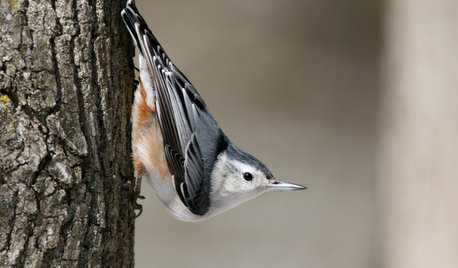
GARDENING FOR BIRDSBackyard Birds: Those Nutty Nuthatches
The North American songbirds, which often perch upside down, make themselves known in the winter landscape
Full Story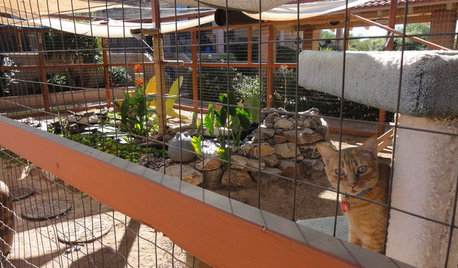
PETSSee a Deluxe 'Catio' Built for Feline Fun
Sixteen lucky cats get the run of a protected outdoor patio with ramps, steps and even a koi pond
Full Story
ACCESSORIESHow to Hide Those Messy Wires
Untangle Yourself From Ugly Electrical Cords With a Few Tricks and Accessories
Full Story
MOST POPULARHow to Get Rid of Those Pesky Summer Fruit Flies
Learn what fruit flies are, how to prevent them and how to get rid of them in your home
Full Story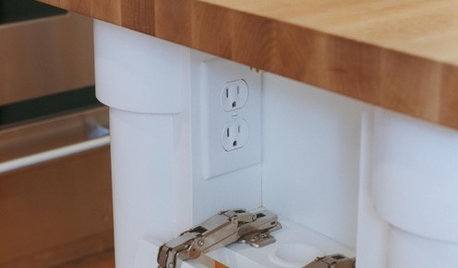
KITCHEN DESIGNHow to Hide Those Plugs and Switches
5 ways to camouflage your outlets — or just make them disappear
Full Story
LANDSCAPE DESIGNSee Chelsea Flower Show Ideas Flourishing in a Real Backyard
Can trends in high-design show gardens translate to everyday yards? The proof is in the plantings
Full Story
BEFORE AND AFTERSSee 6 Yards Transformed by Losing Their Lawns
Wondering whether a turf lawn is the best use of your outdoor space? These homeowners did, and they found creative alternatives
Full Story
LIFEWorld of Design: See How 7 Families Live in Multigenerational Homes
What happens when three or more generations live within shouting distance of one another? More hugging than shouting, actually
Full StorySponsored
More Discussions
User