

Bird feeder contains lead!
16 years ago
Featured Answer
Sort by:Oldest
Comments (10)
 16 years ago
- 16 years ago
Related Discussions
Squirrels have drunken party & destroy bird feeder
Comments (16)Poor, poor Sis. I understand her delima, bless her heart. We Southern Baptist 'have our story and we're stickin' to it.' LOL Tell Sis that they make some wonderful stuff for medicinal purposes. You mix it with honey and crushed up peppermint. Oh, my...I'm feelin' a bit feverish. I do believe I feel a cough comin' on....See MoreIs there a SAFE way to deal with droppings from bird feeder?
Comments (7)Thanks so much for the response, kimmsr. I know so little about the make up of droppings that I have no idea how safe or dangerous they may be. I do know that they eat right in to the paint on my deck, so at the very least, I want to contain the damage. It's a wood deck with slots, so hosing things down just washes the mess onto my neighbor's space. I don't think that's a good idea, especially since I don't (yet) know how dangerous the poop is. I'm still thinking the best way to go is to put a bunch of potted plants underneath and let them catch the droppings and break them down as fertilizer. Unfortunately, one of the Ceanothus bushes I planted that's right underneath isn't doing very well. I'm wondering if the acid or something else in the droppings is causing problems. I'm really in need of someone with expert knowledge of the properties of bird droppings. I'm not sure if I've come to the right place or not. I'd be grateful for any help people here can provide. Thanks again!...See MoreIs it common for humming bird feeders to drip?
Comments (14)I found a solution that has kept my feeders from dripping and attracting yellow jackets and other unwanted pests. This only works for Humzinger-style feeders (not the standard large flower, smaller feeders.) I bought pipe sealant in the hardware section of my grocery store; pipe sealant is non-toxic. I also bought a roll of plumber's tape--the really thin tape used to help pipes seal up. First I cleaned everything really well. Then popped out all of the flowers and slathered a bunch of I then slathered the pipe sealant around where the flowers go in--you want to use a really good amount--and pushed them back in. I then did the same where the top met the bottom "bowl". Next, I wrapped a generous amount of the plumber's tape around that same place to really seal it up. The pipe sealant comes in little tubes and is kind of like working with toothpaste and putty mixed together. (Note: It doesn't fully dry up. It's not supposed to.) The end result is somewhat ugly with the white tape and the white goop around the flowers, but it sufficiently not only stopped the yellow jackets from coming (they tried and tried, but finally stopped.) You will have to replace the tape and pipe sealant now and then around the base, as it expands and contracts with the day heating up and cooling off--and especially so if it's in direct sunlight like mine are. I have a lot of hummingbirds who come my way all summer and all winter (we have Anna's Hummingbirds here in Oregon, and they don't migrate), and they've been very happy about not having the yellow jackets scare them off in the warmer months....See MoreBird feeder question
Comments (10)Are the feeders mostly shaded? They're in a tree right? That's good. Birds are funny creatures. Give them a couple more weeks. Whenever they see something "new," even if it's food, they will be very cautious. My birds get hysterical when I simply re-arrange the feeders. Today I was changing things around from "winter feeding plan" to "summer feeding plan." They'll fuss and fume the rest of the afternoon. How far are the feeders from your sitting/viewing area? Cardinals love sunflower seed, espeically the black oil sunflower seed (BOSS), but they do prefer to feed on the ground. Could you put some of the BOSS on the ground, or in a 8-10 inch (or larger) terra cotta (or brown plastic) planter saucer for them? Just use something wide and shallow, and not too bright or colorful. They like tray-type feeders, too. Same BOSS seed, just different styles of feeders will attract various birds. My woodpeckers are sucking down the suet right now. They're eating far more of it now, or I've got more woodpeckers, than they did all winter....See More- 16 years ago
- 16 years ago
 16 years ago
- 16 years ago
- 16 years ago
- 16 years ago
- 16 years ago
Related Stories
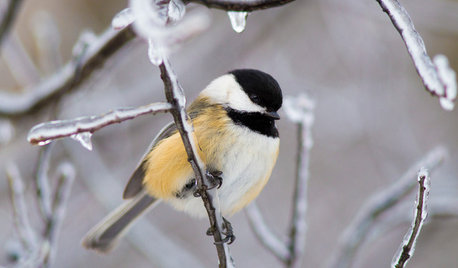
GARDENING FOR BIRDSBackyard Birds: Marvel at Chickadees This Winter
These North American natives flock to bird feeders and entertain with their complex birdcalls
Full Story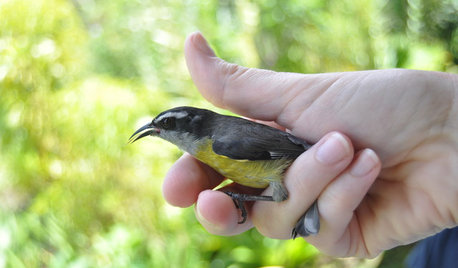
GARDENING FOR BUTTERFLIESBring on the Birds: Natural Habitat Ideas for Gardens of All Sizes
Provide nesting, watering and perching spots inspired by the Costa Rican jungle and watch the birds flock on over
Full Story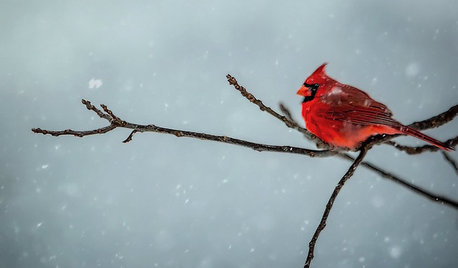
GARDENING GUIDESBackyard Birds: Northern Cardinals in the Snow, and Other Red Birds
Brilliant crimson feathers make these friends stand out in a crowd
Full Story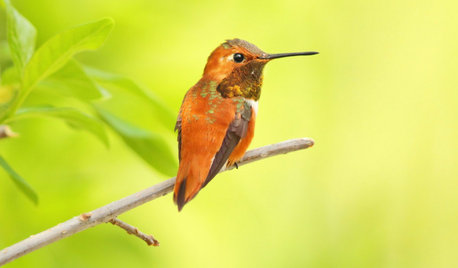
GARDENING GUIDESBackyard Birds: Invite Entertaining Hummingbirds Into Your Garden
Hummingbirds — unique to the Americas — zip through open landscapes seasonally or year-round. Here’s how to attract them
Full Story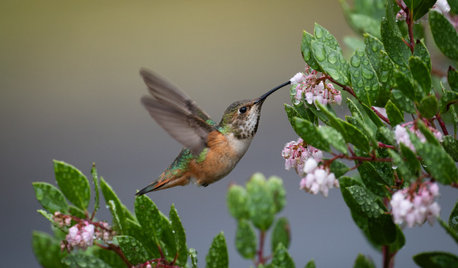
EARTH DAYCreate a Container Wildlife Habitat for Hummingbirds and Butterflies
Don’t let limited space prevent you from welcoming wildlife into your garden
Full Story
GARDENING FOR BUTTERFLIESA Quick-Start Guide to Bird-Watching for Fun and Learning
Set out some seed and grab your field guide. Bird-watching is an easy, entertaining and educational activity for the whole family
Full Story
GARDENING FOR BIRDSBackyard Birds: Meet Some Clever and Curious Jays
Boisterous jays provide plenty of backyard bird-watching in winter. Here’s how to identify all the varieties and welcome them into your yard
Full Story
GARDENING FOR BIRDSFeed the Birds: 6 Plants for Abundant Winter Berries
Be kind to your fair feathered friends during lean food times by planting a shrub or tree loaded with nutritious snacks
Full Story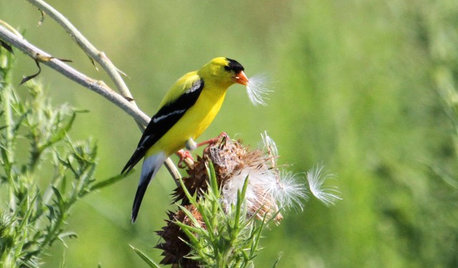
GARDENING FOR BIRDSWild Birds Transform a Woman’s Garden and Life
How Sharon Sorenson created a wildlife haven and became the Bird Lady of Southern Indiana
Full Story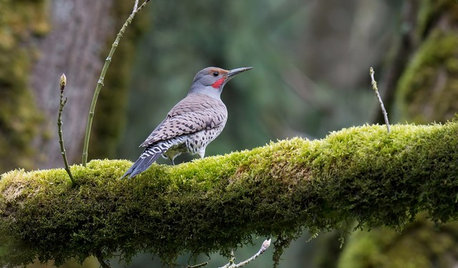
GARDENING GUIDESBackyard Birds: Healthy Home Habitats for Northern Flickers
These colorful woodpeckers found across the U.S. and Canada love berries, seeds and ants and often nest in deep burrows in trees
Full StorySponsored
More Discussions
spedigrees z4VT