

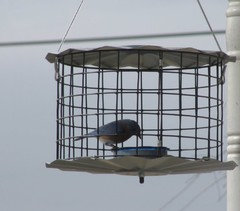
How can I attract blue birds to my yard in the winter?
15 years ago
Featured Answer
Sort by:Oldest
Comments (12)
 15 years ago
- 15 years ago
Related Discussions
Should I attract birds into my garden?
Comments (10)Birds are a nuisance in my garden when my plants are young. They will pull up or peck off all my seedlings if I don't cover everything with bird netting. Now that things are established, my netting is gone. I see them hopping around the beds, but they don't bother anything. I've never had them peck at my tomatoes, but I've heard from people who think they do. So...take your pick. I do have a bird bath in my garden. I don't keep it full at planting time, as I don't care to encourage them until my plants are big enough to handle having them around. As for putting feeders in your garden, on the opposite side of my house I have an actual bird garden, with several feeders, another bird bath, and shrubs and trees planted specifically with a bird habitat in mind. I absolutely love it--it's the view out my kitchen window. But the birds make a MESS. The area needs to be kept clean, I soak my feeders in a mild bleach solution every couple months. I sweep up and gather the seed shells. Birds carry disease and a poorly kept bird garden can help spread the disease to other birds and humans. The point of all this is that I would never want to put feeders near plants I'm growing for food. A few birds hopping around aren't a big deal, but birds in the volume I get in my bird garden, I wouldn't put anything growing out there in my mouth. They crap on everything. In fact, I garden with gloves and wash my hands after I've been out there. I also have to let my feeders stay empty for several days to keep the bird volumes down. I love them, but when there's a plentiful supply of food for a long period of time, it turns into an Alfred Hitchcock movie out there. Personally, if you're looking for something that eats bugs, I'd try encouraging other beneficial insects by planting marigolds, nasturtiums and other "gardeny" type flowers. And, of course, keep the use of pesticides down....See MoreAttracting birds to my yard on long island ny
Comments (2)irish rose grower---- Not sure how your post got here, but perhaps you would be interested in the feathered friends forum if you havent been there. Heres a link. Here is a link that might be useful: feathered friends...See MoreHow to attract birds?
Comments (1)Hi Sam, we have a very small yard, too, but have plenty of birds. You're right about them killing pests, they eat them for free! Some of the plants we see bird activity in are; annuals (in our zone 5); -torch tithonia -petunia -sage, any sage or salvia (both have perennial varieties too) -zinnia perennials include; -liatris, esp. spicata, but really any liatris is attractive -aster, we have one I call thistle, it has tiny black thistle/niger type seeds, and the birds love it all winter long, they clean the plant out -ornamental grass, lots of seeds, bonus, very attractive all winter Also, if you can find a tiny corner, a little bit of scrubby brush is attractive to birds, for cover and a place to hide and for foraging nest material. This webpage goes into dif. types of birds & what they prefer, you can tailor your plants to the birds you want to attract. http://www.helpfulgardener.com/design/2003/bird.html Bees are also important, to me lots of bees is a good sign that my garden is healthy, often bees, butterflies & hummers enjoy similar plants, tho bees are more interested in pollen of course. Try to use minimal chemicals, don't want to poison the birds you're striving to attract, & they can be very sensitive to weed killers, etc. I am as close to organic as I can be, I do use fertilizer, but for pests, I really try to go organic. OK, have to admit, we feed, niger seed all year, niger, suet & safflower seed all winter. Cheating, yes, but we love the birds & it's a guarenteed way to get them to your yard! I'm sure others will chime in w/more suggestions, good luck! Here is a link that might be useful: list of plants to attract birds This post was edited by jomuir on Sat, Dec 1, 12 at 12:49...See Morebest ways to attract birds to my yard?
Comments (9)Aside from feeders and water, mixed plantings will attract a wide variety of birds. My lot has numerous canopy trees, understory vegetation and shrubs, some open areas, and some dense evergreens and thickets of things like Crabapples for cover and berries. And several gardens with a mix of many native perennials and grasses, and annuals that make seeds and harbor insects for the birds. As previous posters stated, attracting insects is important because 90% of terrestrial birds raise their young almost exclusively on insects, such as the larvae of moths and butterflies. The best way to nurture a healthy population of insects is to plant woody plants that are native to your region. Although most people don't think it looks tidy, and are usually compulsive about cleaning up dead wood, it's very attractive to all cavity nesters to leave a dead tree or two standing and even dead branches, if they are safely located and won't drop on the house or deck or anything. Birds also love to perch on dead lower branches in trees. My back yard is much more naturalized than the front and I've left about 10 or so dead pine tree snags standing back there, some of which are old enough to have multiple woodpecker holes. This year there are White-breasted Nuthatches and Eastern Bluebirds nesting in the dead snags that I've noticed so far! :)...See More- 15 years ago
- 15 years ago
- 15 years ago
- 15 years ago
- 15 years ago
- 15 years ago
- 15 years ago
- 15 years ago
- 15 years ago

Related Stories
GARDENING GUIDESThese Hedges Can Add Interest to Your Winter Garden
Evergreen trees and shrubs provide structure and color in the winter months — and can attract wildlife too
Full Story
BENEFICIAL INSECTSAttract Pollinators for a Productive Edible Garden
You can lure bees, butterflies and birds into your yard with the right flowers and nesting spots
Full Story
GARDENING AND LANDSCAPINGHow to Attract Birds to Your Garden
From habitats to feeders, simple tips to help your yard take flight
Full Story
GARDENING FOR BIRDSFeed the Birds: 6 Plants for Abundant Winter Berries
Be kind to your fair feathered friends during lean food times by planting a shrub or tree loaded with nutritious snacks
Full Story
GARDENING GUIDESBackyard Birds: Orioles Return After Spending Winter in the Tropics
These colorful songbirds prefer woodlands and forest edges, but they’ll visit yards with fruit-producing trees and shrubs
Full Story
GARDENING FOR BIRDSBackyard Birds: Marvel at Chickadees This Winter
These North American natives flock to bird feeders and entertain with their complex birdcalls
Full Story
GARDENING GUIDESThese Hummingbird-Attracting Native Plants May Surprise You
These flowers, vines and shrubs offer shelter and food supplies that keep hummingbirds around longer
Full Story
GARDENING FOR BIRDSBackyard Birds: Meet Some Clever and Curious Jays
Boisterous jays provide plenty of backyard bird-watching in winter. Here’s how to identify all the varieties and welcome them into your yard
Full Story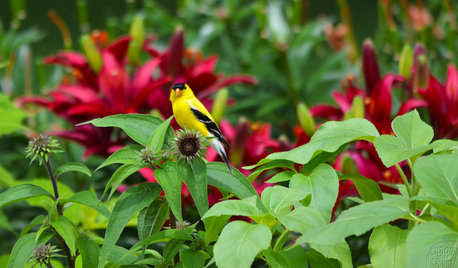
GARDENING GUIDES13 North American Backyard Birds to Know
Find out about these enchanting native species and learn how to attract them to your yard
Full Story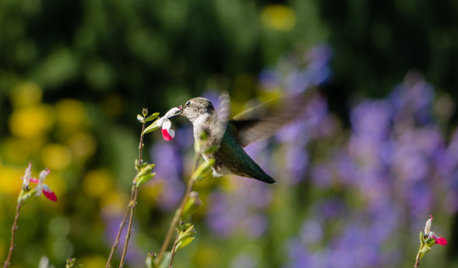
GARDENING GUIDESAttract Hummingbirds and Bees With These Beautiful Summer Flowers
Roll out a welcome mat for pollinators to keep your landscape in balance and thriving
Full StorySponsored
kendra2003