

Fruit Flies!
9 hours ago
Featured Answer
Sort by:Oldest
Comments (16)
 8 hours ago
Related Discussions
fruit flies in litter box & trying neem
Comments (17)Clean every drain in your house using either vinegar, ammonia or a mild bleach mixture. Better yet the foam drain cleaners stick to the sides of the drains slowly breaking down what they are attracted to that you may not reach with just a sprayer after doing this once maintain with the previously mentioned. Another option is to use a mixture of baking soda and vinegar this will bubble the drains clean kind of fun to watch too. Do not forget your overflow drains I was amazed at how many bubbled out of one of my bathroom sinks. Your shower and bath overflow are important as well as under the rims of your toilets. The most important, the garbage disposer. I have been trying to make my husband understand the importance of the cat box being scooped daily he just rolls his eyes at me. I personally have developed allergies to the cats to the point that even vacuuming turns my face and neck all splotchy and irritated so I can not scoop the litter. I am tempted to buy those disposable surgical caps and dust mask and just do it myself. I did not realize how fast fly eggs can hatch until I read this. http://edis.ifas.ufl.edu/DOCUMENT_IG091 The diatomacious earth is naturally occurring in a lot of clay based cat litters already. I know someone who uses it all over there ranch property to control flies. She also uses it internally to kill parasites. Maybe the addition of baking soda would reduce the smell that attracts them. No doubt that being corn based is a possible attractant. Corn is also a good mold media as well which might further attract fungus gnats. Good Luck, Cindi...See MorePineapple Guava (Feijoa sellowiana) in NorCal east bay - fruit flies?
Comments (6)In Central Florida near the East Coast we have a big problem with fruit flies both the Caribbean variety and the standard fruit fly. I have a home orchard with two guava trees. One is a Ruby Supreme guava and the other a Barbie Pink guava. The Ruby Supreme was under incessant attack by the fruit flies. Nothing I tried including spraying or using traps with apple cider vinegar and dish soap could eradicate them. Actually, the latter seemed to be effective against the Caribbean fruit fly but not against the standard fruit fly. To make a long story short I uprooted and destroyed the Ruby Supreme guava tree. It was painful because I love guavas but it's just too much trouble dealing with those pesky critters. The Barbie Pink guava is still in my orchard but I have noticed the fruit flies attacking it. So I removed all the fruit and threw them away. I will most likely destroy that tree also later this winter or maybe repot it into a half whiskey barrel planter. It might make a good gift for my sister if/when she buys her own home. Or if I could get a greenhouse installed in my yard then I could isolate the tree from the flies. I also have the feijoa selliowana (aka the pineapple guava) tree in my garden. The 5 of them are in pots and I had thought about making a hedge out of them. They don't seem to tolerate the blistering summer heat of Florida so they need to be in shady spot during the late afternoon hours. I am not sure if the fruit fly can attack the pineapple guava because it seems they have a much thicker peel than the ordinary guavas. A thick peel is the best line of defense against fruit flies I hear. I was hoping someone on this forum could confirm if they are resistant to fruit flies or not. But it has to be a report from someone who lives in an area that is prone to that sort of infestation....See MoreFruit Flies/Fungus Gnats
Comments (10)I tried to find out info about BTI at the time, but I didn't really feel like I knew enough to figure out a "right" way to use it in a worm bin. Apparently it was originally discovered as a soil bacteria, which theoretically could mean that it could live in a worm bin long term and maybe disperse all the way through the bin bedding - meaning it would stick around indefinitely. But I cannot think of a way for the average home hobbyist to verify that the bacteria are successfully living in the bin and that there are enough of the bacteria in the bedding to actually kill fungus gnat larvae. The "Mosquito Bits" brand, which you used, seems maybe more likely to work in a worm bin than Mosquito Dunks, since at least the "bits" are designed to be used in the soil of potted plants. I don't see the bits in stores very much; mosquito dunks seem to be a lot easier to find. Amazon seems to have the bits. As far as I could find out, Bti only kills mosquito larvae and fungus gnat larvae and it's very selective, so at least it's probably safe for the worms and other bin critters. But I wish I knew whether it was worth the effort....See MoreFruit flies?
Comments (24)If washing the roots, laying plant on some paper towels, newspaper or even cloth after will help to soak up extra moisture. Blasting them with a hose shouldn't be problem either, but swishing root ball in a dish of water is usually enough. Hydrophobic peat is difficult to get off the roots, since it dried up and hardened like a brick. It is better to use warm water in a dish, as it will re-hydrate peat faster. You'll probably loose some roots, but if plant is repotted into better conditions, it will grow many new roots, and most likely much more and stronger ones. Repotting is Spring is good idea, unless there is plants that are suffering in water-logged soil right now. Many ppl use clay-terracotta pots and swear they are best; I use mostly plastic and have np. As long as there is good drainage - drainage holes in pots and fast draining mix - plastic is ok. I have almost 200 succulents in plastic pots - some have been in same pots for few years. All tropical I have are in plastic too. And many perennials, overwintering outside, also in plastic pot. I am not sure if FG are attracted to peat - but they are certainly attracted to damp soils and also any mix with lots of organics in it. That is one of the reasons manure of any kind is not suitable for pots, especially indoors. It could work outdoors, as there are many beneficials to help, and usually better air circulation/wind. Hot, wet, humid, too much organic matter, standing water, poor air circulation = they are all contributors to what many pests like. Most could be eliminated and FG will go somewhere else :) ETA: adding to last paragraph: ...peat often stays wet for log time - and wet is attractive to FG......See More- 8 hours ago
- 1 hour ago
- 59 minutes ago
 19 minutes ago


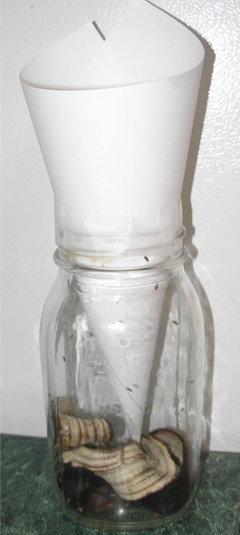


Related Stories

MOST POPULARHow to Get Rid of Those Pesky Summer Fruit Flies
Learn what fruit flies are, how to prevent them and how to get rid of them in your home
Full Story
EDIBLE GARDENSHow to Grow Your Own Peaches and Nectarines
Make gardening a little sweeter with these juicy fruits, which you can eat after plucking or preserve for later
Full Story
GARDENING GUIDESSpring Citrus Care Reaps Months of Sweet Rewards
Learn how to tend citrus trees in spring and ways to preserve their delicious fruit
Full Story
CONTAINER GARDENSPatio-Perfect Berry Bushes Like You’ve Never Seen
Small enough for pots but offering abundant fruit, these remarkable bred berries are a boon for gardeners short on space
Full Story
CONTRACTOR TIPS10 Things to Discuss With Your Contractor Before Work Starts
Have a meeting a week before hammers and shovels fly to make sure everyone’s on the same page
Full Story
DECORATING GUIDESThe Enduring Appeal of the Egg Basket
Hardworking wire baskets are flying the coop for a life inside, appearing as storage, organizers and decor
Full Story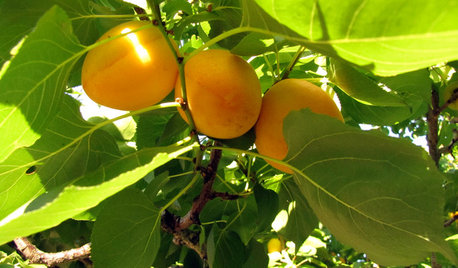
EDIBLE GARDENSHow to Grow Your Own Apricots
Velvety fruit, pretty blossoms and interesting bark make apricot trees a delight — and they’re great for smaller gardens
Full Story
GARDENING GUIDESHow to Keep Your Citrus Trees Well Fed and Healthy
Ripe for some citrus fertilizer know-how? This mini guide will help your lemon, orange and grapefruit trees flourish
Full Story
SUMMER GARDENINGHow to Grow Basil
Bright color, quick growth and endless uses for cooking make this summer annual a winner in the garden or a pot
Full Story
EDIBLE GARDENSHow to Grow Your Own Sweet Summer Crops
This guide will help any gardener get started on growing the freshest warm-season veggies and berries for summer
Full Story

vgkg Z-7 Va