

Remember my question about a substitute for Peppadew peppers?
8 months ago
Featured Answer
Sort by:Oldest
Comments (18)
 8 months ago
 8 months agolast modified: 8 months ago
Related Discussions
A few questions about potting Bell Peppers...
Comments (25)Ahh, thanks so much everyone! The seedlings always seem so fragile that I've never tried to bare root them. I will wait until they have 5-7 true leaves before trying I think... I have space under grow lights so I could grow the peppers as indoor/outdoor perennials... I just start one of these tiny tiny flat seeds in the gritty mix and then water from below so that it doesn't move around too much? If I start them in the gritty mix in little cell flats then will the medium all fall out of the root structure when I move them to larger pots? I understand I can start them in larger pots to begin with but I prefer to try to start more than I have room for and assume I will lose some or that some won't germinate. I guess you've just said to bare root them out of peat so even if it does fall out then it's just the same thing hmm... That thread looks great Josh I will read it carefully - is there a reason you switch from one to the other and then back again and don't just stick with the gritty? hmm hmm this new mix makes everything exciting aha...See MoreAnother Question about Roasted Red Pepper Spread
Comments (8)Linda, Yes I did leave chunks in the pepper spread, almost a 1/3 of the batch I chopped up, the rest I pureed. Duh, I didn't even think of that. I guess I'm just paranoid because I know I weighed 9 cubanel (sp?) red peppers at 3.3 lbs and then went to the store and bought more red peppers there. I can't remember if I weighed them or what the weight was, but I know I weighed the tomatoes. (smacks head) Sigh, and I know I won't be comfortable unless I know EXACTLY what I did. What a pain...I have 7 beautiful, sealed jars that I want to put on my shelf or give one or two to someone, but I won't take them out of the fridge because I can't remember what I did. Oh well, maybe I'll make some hummus and bring it into work. Lesson learned. It sucks getting old and forgetting things. :-(...See MoreQuestion about wine substitutions in canning
Comments (8)Well, three of the recipes are these that were posted on the greatest hits thread. I will have to look and see if I can find the others. Chunky Basil Pasta Sauce Amount Measure Ingredient -- Preparation Method -------- ------------ -------------------------------- 8 cups (2 L) coarsely chopped peeled tomatoes -- (about 9-12 tomatoes or 4 lb/2 kg) 1 cup chopped onion -- (250 mL) 3 cloves garlic -- minced 2/3 cup red wine -- (150 mL) 1/3 cup red wine vinegar (5 % strength) -- (75 mL) 1/2 cup chopped fresh basil -- (125 mL) 1 tablespoon chopped fresh parsley -- (15 mL) 1 teaspoon pickling salt -- (5 mL) 1/2 teaspoon granulated sugar -- (2 mL) 1 6-oz/156 mL) can tomato paste Combine tomatoes, onion, garlic, wine, vinegar, basil, parsley, salt, sugar and tomato paste in a very large non-reactive pan. Bring to a boil over high heat, reduce heat to low and simmer, uncovered, for 40 minutes or until mixture reaches desired consistency, stirring frequently. Remove hot jars from canner and ladle sauce into jars to within 1/2 inch (1 cm) of rim (head space). Process 35 minutes for pin (500 mL) jars and 40 minutes for quart (1 L) jars in a BWB. Yield: "8 cups" Note: This sauce also makes an excellent base for a quick pizza. - - - - - - - - - - - - - - - - - - - * Exported from MasterCook * Multi-Use Tomato Sauce Amount Measure Ingredient -- Preparation Method -------- ------------ -------------------------------- 10 plum tomatoes -- (about 2 1/2 lbs./1 kg) 10 large tomatoes -- peeled and chopped (about 4 lbs./2 kg) 4 large garlic cloves -- minced 2 large stalks celery -- chopped 2 medium carrots -- chopped 1 large onion -- chopped 1 large zucchini -- chopped 1 large sweet green pepper -- chopped 1/2 cup sun-dried tomatoes -- (125 mL) 2/3 cup dry red wine -- (150 mL) 1/2 cup red wine vinegar (5% strength or more) -- (125 mL) 2 bay leaves 1 tablespoon pickling salt -- (15 mL) 2 teaspoons dried oregano -- (10 mL) 2 teaspoons dried basil -- (10 mL) 1 teaspoon granulated sugar -- (5 mL) (optional) 1/4 teaspoon ground cinnamon -- (2 mL) (optional) 1/4 teaspoon ground pepper -- (2 mL) 1/4 cup chopped fresh parsley -- (50 mL) Combine tomatoes, celery, garlic, onion, zucchini and green pepper in a very large non-reactive pan. Add 1 cup (250 mL) water. Bring to a boil over high heat, reduce heat and boil gently, covered, for 25 minutes or until mixture begins to thicken, stirring occasionally. Soak sun-dried tomatoes in boiling water until softened. Drain and dice. Add to sauce with wine, vinegar, bay leaves, salt, oregano, basil, sugar, cinamon and pepper. Continue to boil gently until desired consistency, stirring frequently. Discard bay leaves and stir in parsley. Remove hot jars from canner and ladle sauce into jars to within 1/2 inch (1 cm) of rim (head space). Process in a BWB 35 minutes for pint (500 mL) jars and 40 minutes for quart (1 L) jars. Yield: "12 cups" Pear and Currant Chutney Makes 2 - 3 cups 1 cup dried currants 6 tbls pear brandy 4 pears, peeled, cored and cut into ½" pieces 2 ribs celery, cut into ¼" pieces ½ cup sugar 1/3 cup fresh lemon juice 3  3 ½ inch piece fresh ginger, peeled and grated pinch cayenne Put currants and brandy into a medium saucepan and simmer over medium heat until currants are plump and have absorbed most of the liquor, about 7 minutes. Add pears, celery, sugar, lemon juice, ginger and cayenne and stir well. Return to simmer, reduce head to medium low and simmer until pears are very soft and translucent and juices are thick and syrupy, about 1 hour. Put chutney into a clean jar with a tight lid or hot water bath 10 minutes. If not processed, cover and refrigerate until ready to serve. Allow chutney to sit for a couple of weeks, the flavor improves with age. These are from my Ball Complete book of home preserving. I can post the recipes if needed but it is a lot of typing and I know that several of you have the book! :) Pear Port Compote pg 169 Cranberry Rum sauce pg 180 Blackberry Liqueur Syrup pg 198 Bruschetta in a Jar 223 Lemon-Sage Wine mustard pg 270 I know I have seen a couple more on here in threads but I will have to look for them. I figure I am pretty safe on the fruit ones since they are high in acid anyways but I wanted to make sure, and I know that Carol said that one of the recipes above was not safe without the wine. So I guess that the juice is not an acceptable substitute? Dave - Yes I understand that, but due to the fact that it is for religious reasons I will also not cook with it or even purchase it at all. So that's why I need the substitutions! :) Thanks! Carly...See Morechili pepper substitution
Comments (11)I make a near identical sauce a couple times every fall I call 'flavor bombs'. It is low to medium hot. I also make a gallon of fermented 'hot' sauce. Now in bottles. If I was making it for family this weekend I would proceed with the recipe as written but start with the mild/hot in the blender, then pour out 1/2 or 2/3rd. Then add the hotties. Heat up that hottie in a sauce pan for the 'hotties' to enjoy as a shrimp dip at the table. I would not subject the entire shrimp dish to such unknown heat. Hot peppers tend to bloom and get hotter over a very short time frame. I like shrimp. Bummer for those of us that would rather enjoy the dish than be choking with numbness. When in doubt leave it out. DH was a choking hottie lover 20 yrs ago. He followed recipes with too much heat and too much soy/salt. I would point it out before hand but he would proceed as written. I think we have had two arguments in 30 yrs and that was one. (Can't recall the other one, lol)... probably about driving skills, haha My 'flavor bombs' are in the freezer. Use them all winter. Chili, tom soup, pasta sauce, tacos, any soups really. Hot pepper desires are on the table....See More 8 months ago
 8 months ago
- 8 months ago
- 8 months ago
- 8 months agolast modified: 8 months ago
- 8 months ago
 8 months agolast modified: 8 months ago
- 8 months agolast modified: 8 months ago
 8 months ago
- 7 months agolast modified: 7 months ago
- 7 months ago
- 7 months agolast modified: 7 months ago
- 7 months ago
- 7 months ago
- 7 months ago
Related Stories

HOUZZ CALLTell Us: What Puzzles You About Holiday Lights?
Share your questions about and strategies for holiday lights with the Houzz community
Full Story
REMODELING GUIDESConsidering a Fixer-Upper? 15 Questions to Ask First
Learn about the hidden costs and treasures of older homes to avoid budget surprises and accidentally tossing valuable features
Full Story
REMODELING GUIDES9 Questions to Ask Before You Plan Your New Kitchen
To get your dream kitchen, start with a strong mission and wish list, and consider where you’re willing to compromise
Full Story
PETSSo You're Thinking About Getting a Dog
Prepare yourself for the realities of training, cost and the impact that lovable pooch might have on your house
Full Story
DECLUTTERINGCan’t Figure Out What ‘Sparks Joy’? Try This Question Instead
If you can’t decide whether to keep something or let it go, shift your perspective to find the answer
Full Story
LANDSCAPE DESIGN10 Questions to Ask a Landscape Designer
Discover how to choose the best designer for your yard and avoid surprises down the line
Full Story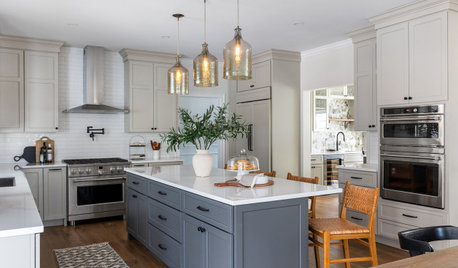
REMODELING GUIDES6 Tricky Questions to Ask When Planning Your New Kitchen
Addressing these details will ensure a smoother project with personalized style
Full Story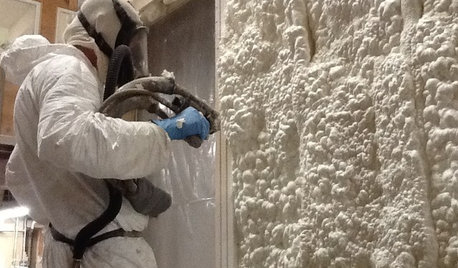
MATERIALSInsulation Basics: What to Know About Spray Foam
Learn what exactly spray foam is, the pros and cons of using it and why you shouldn’t mess around with installation
Full Story
WORKING WITH PROS10 Things Decorators Want You to Know About What They Do
They do more than pick pretty colors. Here's what decorators can do for you — and how you can help them
Full Story
REMODELING GUIDESWhat to Know About Budgeting for Your Home Remodel
Plan early and be realistic to pull off a home construction project smoothly
Full Story
laceyvail 6A, WVOriginal Author