

Do you do hop water? Or other flavored sparkling water?
last year
Featured Answer
Sort by:Oldest
Comments (24)
 last year
- last year
Related Discussions
How often do you Water?
Comments (21)Rhizo, Please tell me more about the booster pump. Our city water pressure is very low and it takes so-o-o long to water all my containers. I have well over 100 including my tropicals which are outside for the summer. Some of my large pots contain a 6 foot tree plus small vine or shrub plus groundcover...I love to play with textures and form with hardy plants like we all do with our mixed containers of annuals, but that means a really crowded thirsty root system. Just now I'm having to water every day, (98 degrees F for the last 2 days), but only my container plants. The heat really bothers me so I go out at sunup...even so the past couple of mornings have still been in low 70's...just doesn't cool down much overnight. Found a great lightweight aluminum and plastic wand this spring at Lowe's which has about six settings...from gentle bubbling to really fierce hard stream. Plus you can adjust the head from straight on to straight down or sideways. Really helps get down to roots of a bushy plant particularly like Erythrina which is full of vicious prickles. LOL There's a small gadget on handle which you use to keep water flowing or shut off completely. Less than $10 as well as I remember...seems better quality than the one I'd been using. josh...See MoreWhen do you water budding Jade plant?
Comments (12)Irreverent, perhaps, but irrelevant, I don't know. If a succulent plant is growing (and I don't know of any which aren't if their flower buds are forming, but that statement is perhaps challenged when you think of species of Ariocarpus, which tend to flower at the end of their growth cycle, flowering many times in October beore they're going to sleep)...so as I wrote, if a succulent plant is beginning to flower, it's almost a golden rule that it's in growth, and what do you do with a plant in growth? You water it. Keep the conditions of the plant good for growing and you'll have flowers perhaps for Christmas. A picture of your plant would be appreciated I'm sure. Speaking of white, we had our first snowfall yesterday. Unlike the usual, this was wet and sludgy....See MoreReally, do you use your hot water dispenser?
Comments (26)I use my instant hot every day. We got our first one about 15 years ago when I had granite installed and it was suggested (had only heard a little about it before) and it finally stopped working about 6 to 8 months ago so we got another one. Then, we just did a full gut kitchen remodel and we were without it for about 7 weeks...really missed it! When we had the new kitchen installed, we did get the hot/cold combo unit (so my folks will be getting the one that was only 6 to 8 months old). We have R/O water and it runs through the unit for both the instant hot and the cool water. The tap has a push down tab on the left with a red tip for hot and one with a blue tip on the right for cool. We got the Insinkerator HC-WAVESN-SS. It looks fine and I really like not having "three" faucets at the sink like we did before (regular faucet, R/O faucet and instant hot faucet). Many of the dispensers do NOT come with a tank, you have to buy that separately. We were happy to see that ours is one of the few that DOES include a stainless steel tank and it says it can dispense 60 cups of instant hot water per hour. I found it at Lowe's online only (at least where we live in Arizona) and thought the fast shipping was a bit much. The Great Indoors price was upwards of $200 higher but they price match plus give you 10% of the difference off plus give you free shipping, so that's what we did. Like others, I use it for pasta, tea, jello (boil it first, of course but it boils so much faster). One thing I do daily is fill a small 1 cup size glass prep bowl about half full and put in my wedding ring and tennis bracelet. Just putting them in the hot water for a few minutes each day keeps them sparkling clean and I don't have to be quite so careful about washing my hands with soap or not letting my ring touch hand lotion when I put it on after applying lotion....See MoreNon-alcohol drinks (particularly, flavored waters)
Comments (10)Grainlady's "Sassy Water" is fab (see below for post/recipe saved on my computer). Follow the proportions. When I've winged it, it hasn't been nearly as good. And do use water that starts out tasting good, or else purified. I use my favorite spring water. I've never added the tea bags, and generally can't get spearmint, so use regular garden mint. I made a LOT of "Sassy Water" last summer (Prevention Magazine Recipe from the Flat Belly Diet). It's supposed to be for weight loss (which I wasn't aware of when I had it at a friends home and asked for the recipe), but it WAS a good use for all those cucumbers and mint from the garden and a nice refreshing drink. You will find several versions of this recipe on-line. I also added a couple flavored tea bags to the mixture like Lemon Zinger, Wild Berry Zinger, Bigelo Perfect Peach Herb Tea or Celestial Seasonings Country Peach Passion to give it different flavors and colors. If you have a cutting mandolin, it's the quickest way to slice the cucumber and citrus. 8 1/2 cups water 1 teaspoon grated ginger 1 medium cucumber, sliced thin 1 medium lemon, sliced thin 12 leaves spearmint (any mint will work) Directions: 1 Mix all ingredients together in a pitcher. 2 Refrigerate overnight. 3 Strain water. -Grainlady...See More last year
- last year
- last year
 last year
- last year
 last yearlast modified: last year
 last year
- last yearlast modified: last year
- last year
 last year
- last year
 last year
- last year
- last year
 PROlast year
- last yearlast modified: last year
 last year
 last yearlast modified: last year
- last year


Related Stories
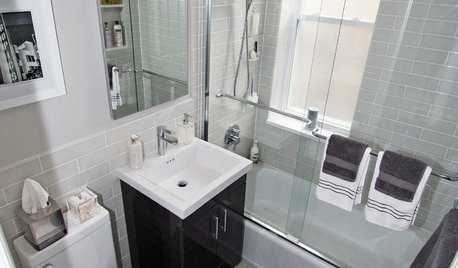
BATHROOM DESIGNWater Damage Spawns a Space-Saving Bathroom Remodel
A game of inches saved this small New York City bathroom from becoming too cramped and limited
Full Story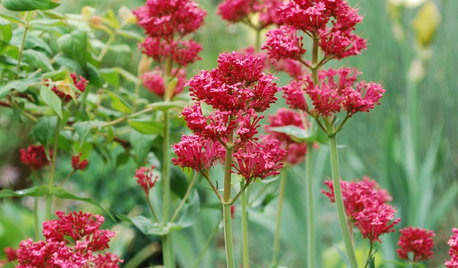
GARDENING GUIDES6 Lovely Water-Wise Perennials for High Altitudes
Even if your climate is cold and dry, you can still celebrate spring with these hardy and colorful perennials
Full Story
ARCHITECTUREWant to Live by the Water? What You Need to Know
Waterside homes can have amazing charm, but you'll have to weather design restrictions, codes and surveys
Full Story
ECLECTIC HOMESHouzz Tour: Water and Openness Inspire a San Francisco Remodel
Better functionality and ocean-loving touches make for a casual, comfortable home that suits a family of 5
Full Story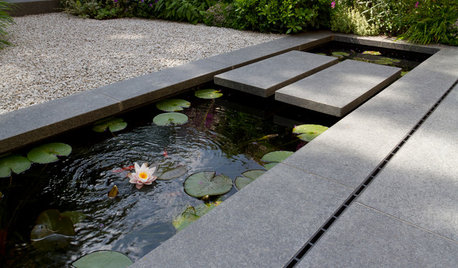
LANDSCAPE DESIGNHow to Introduce a Water Feature to Your Garden
With its sound, movement and ever-changing reflections, water brings vitality to an outdoor space
Full Story
GARDENING AND LANDSCAPINGGardens Tap Into Rill Water Features
Rooted in ancient design, this water feature is popular again as a way to help contemporary landscapes flow
Full Story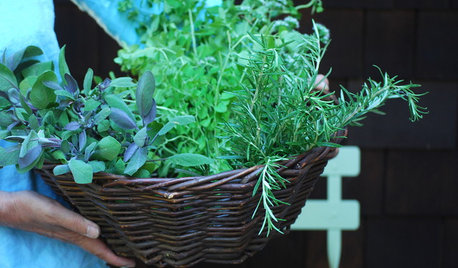
GARDENING GUIDESExtreme Herb Gardening for Extreme Flavor
Fresh herbs grown at home are the secret to sumptuous meals for you and your guests
Full Story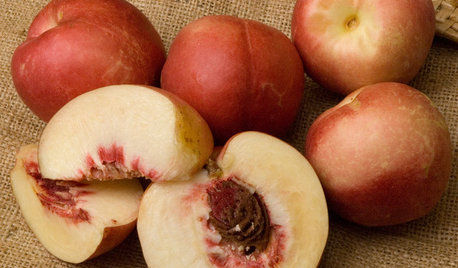
EDIBLE GARDENSGrow Plum Hybrids for Your Favorite Fruit Flavors
Plums are cozying up with apricots, peaches and even cherries — here’s how to grow these hybrids for the best aspects of each
Full Story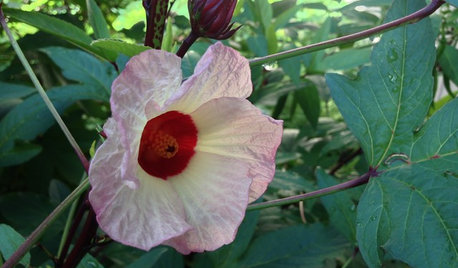
EDIBLE GARDENSGreat Design Plant: Roselle Tantalizes With Beauty and Flavor
Call it a fruit or a flower or a sweet vegetable. This hibiscus is so lovely, all that matters is calling it forth in your garden
Full Story
GARDENING GUIDESDwarf Citrus Trees Offer Miniature Size With Maximum Flavor
Find out how to grow the fruit you love in a smaller space
Full Story
John Liu