

Do you consider nativars to be native plants?
3 years ago
Featured Answer
Sort by:Oldest
Comments (7)
Related Discussions
What Plants Do You Consider A Faux Pas Next To Roses?
Comments (30)I gave them 6 to 10' spacing until I had to move Fragrant Plum to the back fence. Going to be a fight going on there, but the two look good together:) I give the grasses haircuts several times during the summer to keep them in check. They rapidly grow back. I put out the saucers as watering holes for the toads, I have caught them in there too. Yes they like snails and slugs and I open a 'house' and throw in a roseslug for them and they snatch it up like candy. There are only a few left now, they've gone to the ponding basin behind me to winter, I think. They'll be back the first of May if it's like the last two years. BTW that's one HT that isn't naked to the ground either, Purple Passion. I may not be wild about it, but it makes a fantastic rose to put in the bathroom for fragrance and it is my color, LOL* Les...See MoreNative plants for drought - Native Plant Event - IL
Comments (1)Hope it went well....See Morenew native plant site needs you
Comments (10)Gee I don't know if I can help you more than NYWOODSMAN (joking of course) ;o) Are you planning to fill in the page with all the growing zones in it? That seems like an awful lot of work. Why not just start with your own state and get it all filled in rather than posting all the zones and leaving people scratching their heads as to why they are dead links. Most people get annoyed with links that don't work. The index page (main page) really needs a punch of colour so why not create some photo images (using your own will be easier) to make a montage of your state's native flora. Use it as a logo for each of your pages. Articles page and links looks good but again, very plain. Contact page good...easy to use Botanical Dictionary... will you be adding to it on an ongoing basis? If so, you may want to create (I think they are called...) jumplinks or hotlinks or something like that where you can jump to a spot on a page without having to scroll down looking for it. So say you want to look up "leaf roller", you will just click on "L" at the top of the page to jump down to the "L's". The Language of flowers page... I don't understand why the title "Language of flowers" is written 3x before you get to the text and then the hyperlink is located in the tiny green word "this link". I would either get rid of all the "Language of Flowers" titles leaving only one and hyperlink to the title in addition to the "this link". this page also needs something pleasing to the eye, either a logo or a few pictures of native plants, shrubs or trees. Soil/Mulch page...good but again needs some pictures. Drive around and take close up photos of your hand with each type of soil in it. Simple but effective. If your camera is fast enough to capture it, spilling a bit of each soil off the side of your hand will show the density of each soil type in addition to the general appearance. Garden Supplies page... use store logos if you can to showcase your sponsors. It's visually more pleasing and attractive to potential customers. You might also make suggestions for tools that work with various soil types. State Trees and Flowers... cool idea, possibly hyperlink each tree's name to an image of the tree species so that people can look at it as well as read about it. native plant societies page... looks good, very plain but in this case, plain is ok. The only thing that might make the page a bit more user friendly is to place the "state name" in Bold print. Public Garden of the month page could use a photo or logo from the park, otherwise it's good and complete with a map link. You 'could' provide a direct link to each featured garden but it's not necessary as you have the form there already to do the search. Book reviews... a work in progress as well. Have you considered to add comments on what you found useful and not-so-useful for each book? The reviews don't look like so much "reviews" as they are "synopsis". you could also consider letting readers submit their personal reviews using an online-form. Of course you will want to review the submissions before they are placed on the page but it will give a better rounded perspective on each book if you allow comments from other readers. Free Gardening Books page... looks good but again lacks "punch". You might consider a logo at the top of the page and then thumbprint photos of the book jackets (if that's legal to do, which I expect it must be if the books themselves are already in the public domain). Hope that's somewhat helpful. You have a big job ahead of you with some of those pages, esp. the Growing Zone pages but best of luck to you in creating them. Barb southern Ontario, CANADA...See MoreWhat do you wish you had NEVER planted? & Which plants do you love?
Comments (53)PK, I pulled it up as soon as I saw the first leaves emerge. When I pull up an invasive, I don't merely tug and yank, I get my hand weeder (or shovel) and go down deep to get the roots. Merely pulling the plant up usually leaves too much root behind. Even in places where I could not get rid of every bit of root, I just made sure that I cut off every leaf that sprouted, which insured the death of the plant trying to emerge. Diligently removing emerging foliage on pesky invasives (such as alstromeria) worked well for me because the little brittle roots were impossible to dig up. Molly...See More- 3 years ago
- 3 years ago
- 3 years agolast modified: 3 years ago


Related Stories
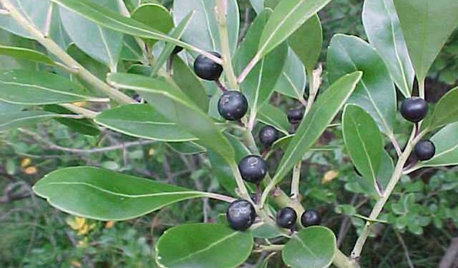
FLOWERS AND PLANTSEasterners: Consider This Native Alternative to Boxwood
Inkberry, or Ilex glabra, excels as a foundation plant or formal hedge perfectly suited to the East Coast
Full Story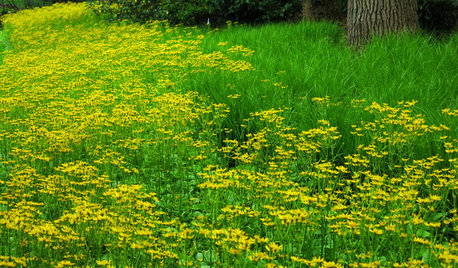
FALL GARDENING5 Native Early-Spring Bloomers to Plant This Fall
Think beyond tulips and daffodils this year with plants that you and native pollinators will love
Full Story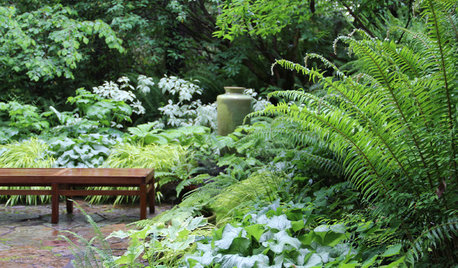
GARDENING GUIDES9 Top Native Plants for Beginning Gardeners
When you’re just starting out, choose easy-to-grow natives like these adapted to your area
Full Story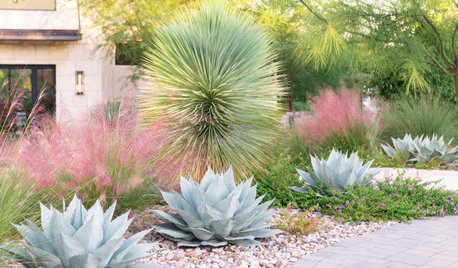
GARDENING GUIDES14 Beautiful Native Plants for Shade Gardens
These hardworking perennials thrive in areas with dappled light to full shade and create a lovely woodland garden look
Full Story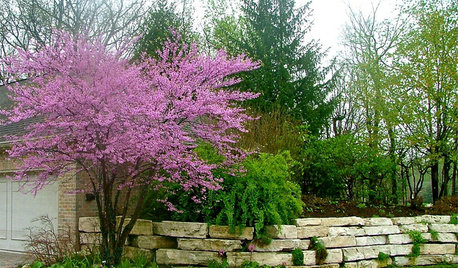
GARDENING GUIDES10 Top Mid-Atlantic Native Plants
Enjoy a four-season garden in the mid-Atlantic region with plants that will stand up to weather shifts, clay soil and the occasional deer
Full Story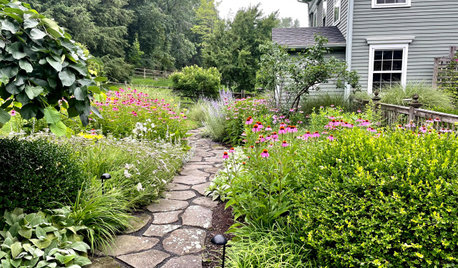
GARDENING GUIDESWhy Your Native Plants Might Be Struggling
Some common issues have simple remedies
Full Story
GARDENING GUIDESThese Hummingbird-Attracting Native Plants May Surprise You
These flowers, vines and shrubs offer shelter and food supplies that keep hummingbirds around longer
Full Story
LIFEConsider Avoiding These Plants to Help Keep Your Garden Fire-Safe
Plants that accumulate dead material, are high in oil or have low moisture content in leaves put some homes at risk
Full Story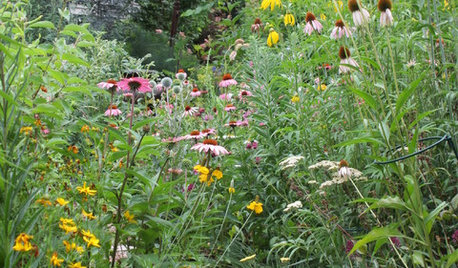
GARDENING FOR BUTTERFLIES3 Ways Native Plants Make Gardening So Much Better
You probably know about the lower maintenance. But native plants' other benefits go far beyond a little less watering and weeding
Full Story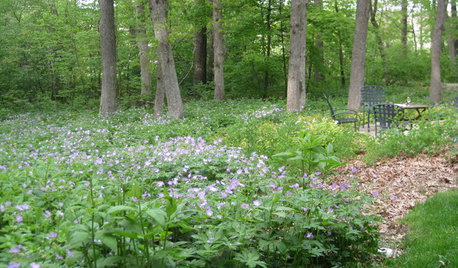
GARDENING GUIDESWe Bust 4 More Native Plant Myths
Have you been taken in by these fallacies about gardening with native plants?
Full StorySponsored
More Discussions
dbarron