

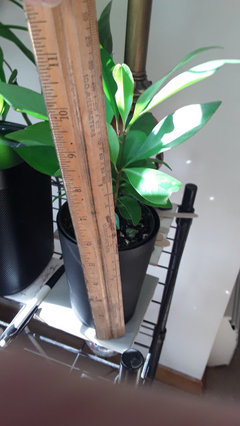
What is this plant?
3 years ago
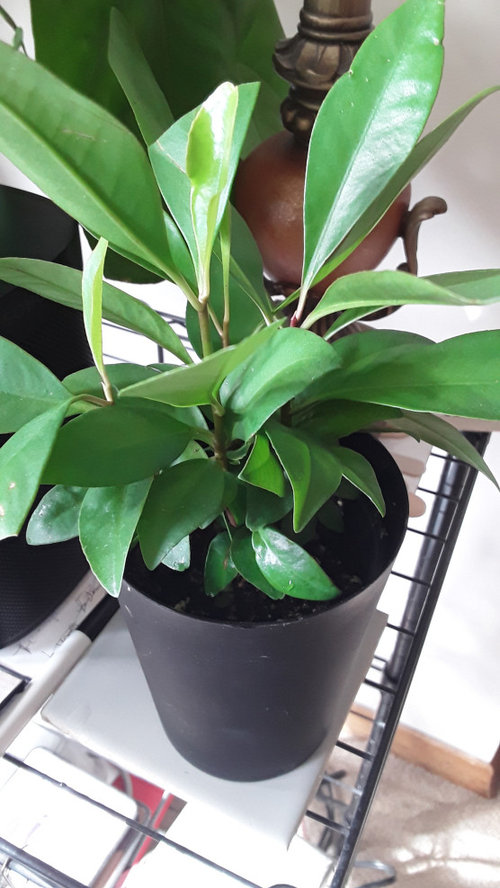
Featured Answer
Sort by:Oldest
Comments (22)
 3 years ago
 3 years ago
Related Discussions
What kind of plant is this? Plant 3 of 3
Comments (3)reider84, i hadn't checked the boards over the holidays, so this is a bit of a late response... i hope that you check back this long after your question was posted. njoasis is correct. your plant is an aglaonema. the variety name is "Silver Queen". it is a plant that was widely planted - some say over planted - in Dairy Queens, shopping malls, banks, etc. back in the 1970's, but now seems somewhat rare in the plant trade. it has been replaced with newer hybrids. the newer varieties are more tolerant to low temperatures and they branch and sprout more which means that the plant looks more full. older Silver Queens often look lanky or 'stalky' until they get cut back and the tops are rooted and replanted. BUT, what i wrote above might only apply to the plant or stem in the front of the photo and the plant or stem on the left side of the photo... i think that the plant or stem in the rear of the photo might be something special. if the leaves always look like they do in the photo, then i think that you have what is called a "sport" or genetic change. i'm guessing that one of your plants or stems has lost one of the genes that codes for the variegation pattern on the leaf. even regular Silver Queens will sometimes produce a leaf that looks a lot like this, but the rest of the leaves will be normal looking. but i've never seen a whole plant that looks like this. i should mention that i'm merely an amateur aglaonema enthusiast and am not an 'expert' or breeder. it's possible that your plant is another species or variety i'm unfamiliar with that was mistakenly potted up with two Silver Queens. if the plant is all one plant, and the darker green stem on the back is just that, a stem, then it is clearly a sport. now... i know what you're thinking... Woo Hoo! goldmine! right?! :-P well, probably not. as i said, Silver Queen was replaced for a reason. if these plants get even a shade colder than 60 degrees Fahrenheit, they suffer leaf damage. this makes them difficult to ship to stores for much of the year, and many people let their homes get fairly cool overnight in winter to save on energy costs. plus, the plant has the lanky/stalky problem. if i had to guess, it might only be of interest to (1) You... because you may have a one-of-a-kind plant which is kinda neat. (2) an aglaonema or aroid nerd like myself. and (3) general house plant collectors that hear the word "unique" and are sucked in. in my case, i need another plant like i need another hole in my head :-) even so, if later in the year, once the weather warms up, you'd be interested in trading a cutting of your plant... i have quite a few aglaonema varieties that i'd be willing to send in exchange. Silver Queen isn't the world's most amazing house plant - there are varieties with much prettier leaf and stalk colors and patterns - but i have a soft spot for it because it was one of the first plants that i learned to grow well. if nothing else, congratulations. cheers, nancy ps if you would like any more info about the history or care of your aglaonema(s), you can check out this link: Here is a link that might be useful: Success With Your Aglaonemas Indoors...See Moremystery plant-what kind of plant is this?
Comments (2)Perhaps Abutilon theophrasti, velvetleaf? Here is a link that might be useful: Link to info...See MorePlant or Weed? What type of plant is this
Comments (2)Name that plant: http://forums2.gardenweb.com/forums/namegal...See MorePlanting a tree next to driveway for SHADE. What should I plant?
Comments (16)Avoid the following trees because they have shallow roots that push up and crack paving: Norway, Sugar, Silver or Red Maple; Pin, Live or Willow Oak; American Elm; Ash; Beech; Sweetgum; Tulip Tree; Hackberry; Poplar; Cottonwood; Sycamore; Plane Tree; Willow; and River Birch. Tillia Cordata "Littleleaf" (Littleleaf Linden) is hardy to zone 3 and provides dense shade. This cultivar supposedly grows 30 to 50 ft. with a spread of up to 30 ft. Fragrant, creamy yellow flowers in drooping cymes appear in June. Honeydew and bird guano are a constant threat with parking under trees. That does not mean these problems will be overwhelming. Your first problem will be waiting for the tree to grow large enough to cast shade. Make note of where the sun rises and sets. It's much better to have shade in the afternoon when the temperature is highest....See More- 3 years ago
 3 years agolast modified: 3 years ago
- 3 years agolast modified: 3 years ago
 3 years ago
 3 years ago
- 3 years agolast modified: 3 years ago
- 3 years ago
 3 years agolast modified: 3 years ago
- 3 years ago
 3 years ago
- 3 years ago
- 3 years agolast modified: 3 years ago
- 3 years agolast modified: 3 years ago
- 3 years ago
 3 years ago
- 3 years ago
- 3 years ago
- 3 years ago
- 3 years ago

Related Stories
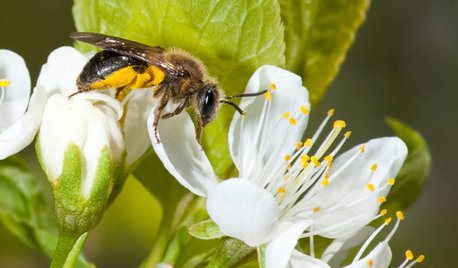
GARDENING GUIDESInvite Mining Bees to Your Garden by Planting Their Favorite Plants
Look for mining bees (Andrena) pollinating woodland wildflowers in U.S. gardens this spring
Full Story
NATIVE PLANTSPlant These Fall-Flowering Natives in Early Summer for Pollinator Love
These 3 groups of plants will support masses of beneficial insects come autumn
Full Story
GARDENING GUIDESGreat Design Plant: Helianthus Maximiliani Attracts Beneficial Insects
Maximilian sunflower’s striking yellow flowers light up the fall landscape and attract pollinators and beneficial insects at a crucial time
Full Story
NATIVE PLANTSGreat Design Plant: Color Outside the Lines With Bluebell Bellflower
Plant this Campanula on pathway and patio edges for shots of bright blue from May through September
Full Story
GARDENING GUIDESGreat Design Plant: Slipper Plant
Unthirsty succulent looks great all year and offers an unexpected surprise in fall
Full Story
GARDENING GUIDESGreat Design Plant: Cephalanthus Occidentalis
Buttonbush is an adaptable woody shrub with delightful pincushion flowers
Full Story
GARDENING GUIDESGreat Design Plant: Paddle Plant
If you're looking for awesomely strange foliage and low care requirements, this succulent is right up your alley
Full Story
GARDENING GUIDESGreat Design Plant: Please Bumblebees by Planting Baptisia Lactea
Plant wild white indigo in central and southeastern U.S. gardens for its large white flower heads and early-spring interest
Full Story
HOUSEPLANTS8 Essentials for Healthy Indoor Plants
Houseplants add so much to our homes — and can thrive when grown in the right conditions. Keep these tips in mind
Full Story
GROUND COVERSNative Alternatives to English Ivy, Japanese Pachysandra and Periwinkle
These shade-loving ground covers are good for the environment and say something about where you are
Full Story
More Discussions
palisades_