

Any new or different vegetable dishes besides pumpkin?
4 years ago
Featured Answer
Sort by:Oldest
Comments (30)
Related Discussions
Any other veggie patches need to be started besides mine?
Comments (13)I've been picking away at the veggie garden over the last week or two. The direct-sown peas haven't sprouted yet - soon, I hope. I've plopped out some of my wintersown Buttercrunch, Romaine, and Red Sails lettuce, as well as some ws German chamomile. I've planted out about 250 onion plants I ordered from Dixondale Farms this year. Now I'm starting in on the potatoes - about 2 pounds planted, about 8 more to go! Have several varieties of hardneck garlic coming up from a November planting, and a big bed of shallots because we love cooking with them. As always, I've rather underestimated the amount of room things are going to need. But that's a great excuse to start making more beds! I've got 2 tiny little two-day-old Stupice tomato sprouts - still waiting on all the other varieties. Lots of ws herbs, flowers, greens, and other goodies still to go out. They're awfully small, but my first couple transplants are very happy, so I'll step up the planting-out phase soon. My resolution this year is to keep a faithful garden journal, so that next year I'll remember what sprouted when, and what I learned from my mistakes (of which there are always plenty). I'm also doing a lot of reading about what to plant to attract specific beneficial insects, and which companion plants help repel certain pests. Dh and kids think my obsessive bug research is a little odd. Oh, well... they're probably right! I wish you well in your veggie garden endeavors. I'll be thinking of you as I putter about in mine! Maybe if you put a bed of your favorite perennials (or annuals or herbs or whatever your favorite is!) in your veggie garden, you'll visit it more often and have more fun while you're there. You'll also have fewer pests, since the flowers will attract beneficial bugs to help control the bad bugs... Nightingale :o)...See Morevegetable dish for Thanksgiving - something that keeps well
Comments (8)Marinated Green Beans From Best Ever Recipes vol.II 3/4 lb fresh green beans, trimmed 1/4 c finely chopped red onion 2 cloves garlic, peeled and smashed 1-1/2 T olive oil 3/4 tsp salt 3 T lemon juice Cook green beans in pot of lightly salted water until crisp-tender. Drain beans but do not rinse them Transfer beans to medium size bowl, toss with onion, garlic, oil and salt. Marinate at room temp for 1 hour, tossing occasionally. Just before serving, remove the garlic and discard. Add the lemon juice and toss to coat the beans. Serves 4 ****************** This one is served warm, but you could saute the onion, celery and garlic in the butter, then combine with the frozen corn and seasonings and toss in the microwave at her house for a couple of minutes. Corn With Basil 2 10oz packages frozen corn 1/2c chopped onion 1/2c celery, thinly sliced 1 clove garlic, minced 2T butter 1/4tsp dried basil 1/2tsp salt 1 2oz jar diced pimientos, drained Combine corn, onion, celery, garlic and butter in saucepan, cook and stir over medium heat until onion is tender. Stir in remaining ingredients ,reduce heat. Cover and cook until heated through, about 3-5 minutes. Linda...See MoreLooking for an easy but different green vegetable dish for Thanksgivin
Comments (22)Peppi, after Kraft discontinued the roll cheese I experimented with cheddar, then pepper jack w/jalapenos, along with fresh jalapeno. Neither offered the same consistency. Thought about adding a little cream cheese, but never did. When I tried the Velveeta I thought it was fairly similar to the original. That said, give it a shot. You may be happy with the result. Linda, I no longer make stuffing or potatoes and gravy. I also only make SM once or twice a year. Mine has never been "goopy". Maybe that's because I use spinach squeezed dry....See MoreNew home, big backyard (see pics), vegetable bed location suggestions?
Comments (6)In general, landscape design looks at the clients' needs and wishes for the property as a whole and the creates a design that then meets as many of those as possible in the most pleasing way. Other than the sheds and the veggie garden, how do you want to use the yard? To my mind, that needs to be answered before any real plans are made. Is privacy (fence) more important than the veggies? Does it need to be there year round, or is privacy only really important in the summer when you will be outside more? Do you want a large open space for games or running around in the center? How much shade is there over the course of the day along the chain link or in other spots of the yard such as along the deck? Do you want a "pretty" yard or a kid-friendly yard or is the growing of food more of a priority or are they all of equal priority? Where will you be most likely to walk or drive and so will need to be left open? Where is water available, and would you be able to add hose bibs in other spots as needed? Do you want afternoon shade for the deck or other areas, and would you be more likely to plant a tree, or add a structure such as an arbor or shade sail? What other wishes do you have for the yard? As others have said, the more sun, the more successful the veggie and fruit beds will be, so too close to the sheds and the nearby solid fence which will provide shade should be avoided. You also will want to change your grouping/way of thinking about the plants from culinary to cultivation. Melons, like all your veggies, are annual plants, while most other "fruits" you have listed are perennials. The annuals and perennials each should have a planting area so that when clearing out and replanting annuals each year you aren't disturbing the perennial plants. The strawberries will need renewing every few years while each of the the shrubs and vines, which are fairly permanent, have different maintenance needs, and so should be planted in separate areas. If you grow herbs, some are annuals and some perennials. Consider overall goals and how else you will use your yard to help determine the best spot for the veggie beds. For instance, if you want the center of the yard left open, then think about putting your food plants along the chain link instead of a fence since it looks like it gets good sun. Or is the solid fence important enough the you should stockpile your soil for now or make temporary beds and then when the fence has been added, create the beds and plant food crops? Could you use the berry bushes and kiwi vines for your privacy instead of a solid fence? They are deciduous, so wouldn't be great for winter privacy. You would need to leave room between the shrubs and the chain link for accessing the vines. Fruit plants don't need as close access as herbs or veggies since fruit tends to be picked in chunks, while veggies tend to get harvested for particular meals, so think about putting the veggies and herbs closer to the house where there is easy access from the kitchen. Would you want veggies as a border around the deck, or does that either not fit the plants' needs or your wishes? So create a list of uses and priorities for the yard as a whole (swimming pool? play structure? bocce court? badminton net? trash can storage? etc, etc), prioritize them, and then start thinking about placement. You have already made one big decision, the shed size and placement, and so before making others, I would stop, step back and look at the yard overall. Take some time over the next growing season to look at sun and shade patterns (if you map sun as it changes from the vernal equinox until the summer solstice, you will have a good grasp on how it will look but in reverse for the rest of the growing season) as well as wind before planting anything permanent if successful cultivation of food crops is a priority. Once you have a good handle on growing conditions and your overall goals for the yard, then you will have a better idea of where is the ideal placement for each of the various uses you have for your yard....See More- 4 years agolast modified: 4 years ago
- 4 years ago
 4 years ago
 4 years ago
- 4 years ago
- 4 years ago
 4 years ago
- 4 years agolast modified: 4 years ago
- 4 years ago
 4 years agolast modified: 4 years ago
- 4 years ago
- 4 years agolast modified: 4 years ago
- 4 years ago
- 4 years ago
 4 years agolast modified: 4 years ago
- 4 years ago
 3 years ago
- 3 years ago
- 3 years ago
- 3 years ago
- 3 years agolast modified: 3 years ago
- 3 years agolast modified: 3 years ago


Related Stories
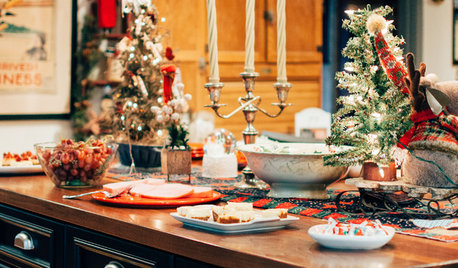
HOLIDAYSFeast Your Eyes on Holiday Dishes Around the World
See traditional Christmas and New Year’s favorites from different countries, along with festive holiday table decor
Full Story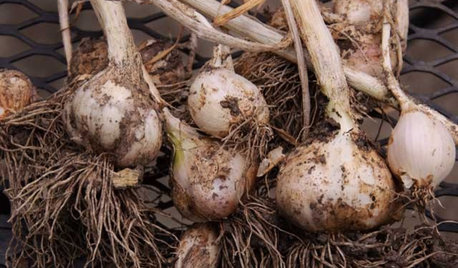
COOL-SEASON CROPSCool-Season Vegetables: How to Grow Garlic
Beloved in a wide range of dishes the world over, garlic thrives in a fall garden and is easy to grow
Full Story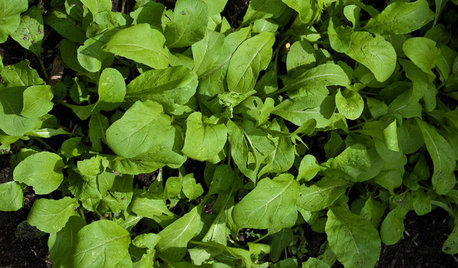
COOL-SEASON CROPSCool-Season Vegetables: How to Grow Salad Greens
From arugula to radicchio, greens have taken a top spot on the table and in fall and winter gardens. See how to start growing them now
Full Story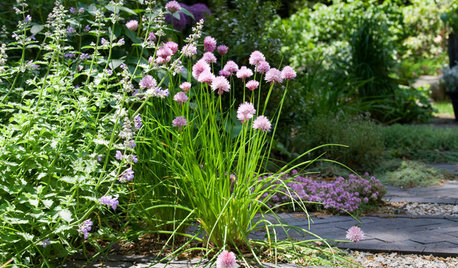
EDIBLE GARDENS8 Surefire Vegetables and Herbs for Beginning Gardeners
Learn the edible plants that are popular and easy to grow in a backyard or container garden
Full Story
MOST POPULAR8 Little Remodeling Touches That Make a Big Difference
Make your life easier while making your home nicer, with these design details you'll really appreciate
Full Story
EDIBLE GARDENSGarden BFFs? Why Your Vegetables Are Begging for Companion Plants
Foster friendships among plants for protection from pests, pollination support and color camaraderie
Full Story
TASTEMAKERSPro Chefs Dish on Kitchens: Michael Symon Shares His Tastes
What does an Iron Chef go for in kitchen layout, appliances and lighting? Find out here
Full Story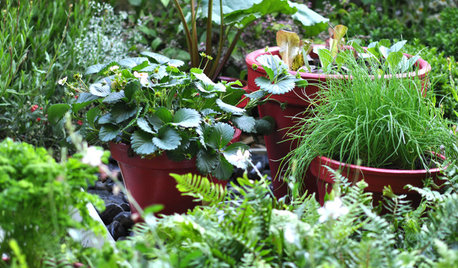
FARM YOUR YARDHow to Grow Vegetables in Containers
Get glorious vegetables and fruits on your patio with a pro’s guidance — including his personal recipe for potting mix
Full Story
KITCHEN COUNTERTOPSDesigners Dish on Their Top Materials for Kitchen Countertops
Find out which countertop materials and styles these pros are favoring in their kitchen designs
Full Story
KITCHEN DESIGNKitchen of the Week: Rustic Space Opens to Herb and Vegetable Gardens
Well-chosen recycled and repurposed features create a North Carolina cottage kitchen with a distinctive look and personality
Full Story

nekotish