

Ibuprofen? Maybe Not.
3 years ago
last modified: 3 years ago
Sort by:Oldest
Comments (21)
Related Stories
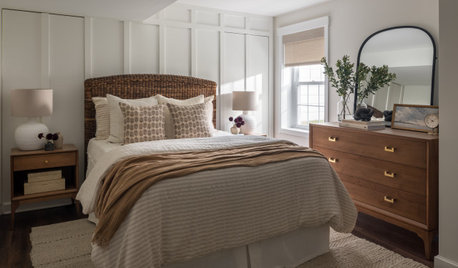
HOLIDAYS10 Essentials for a Gracious Guest Room
Stock the room with these basic items to make your overnight visitors comfortable
Full Story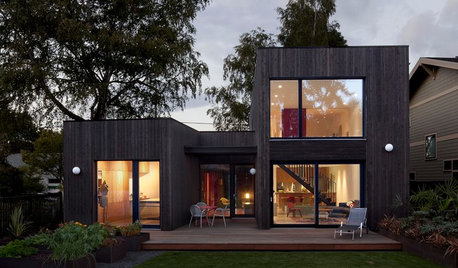
BASEMENTSDesign Workshop: Is It Time to Let Basements Become Extinct?
Costly and often unnecessary, basements may become obsolete — if they aren’t already. Here are responses to every reason to keep them around
Full Story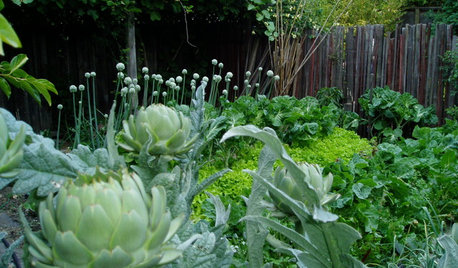
FRONT YARD IDEAS10 Ideas for a Front-Yard Edible Garden Your Neighbors Will Love
Choosing attractive, well-mannered plants and sharing the bounty will go a long way toward keeping the peace
Full Story
ENTERTAININGHow to Welcome Summer Weekend Guests
Thoughtful touches and smart planning will help make your visitors feel at home
Full Story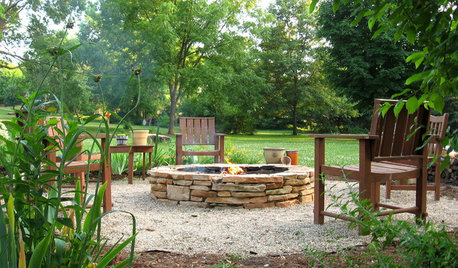
GARDENING AND LANDSCAPINGHow to Make a Stacked Stone Fire Pit
See how to build a cozy outdoor gathering place for less than $500
Full Story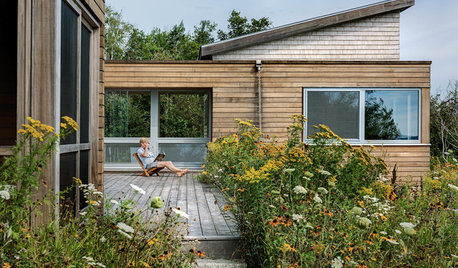
GARDENING GUIDES3 Ways to Revel in Summer Garden Sweetness
Patiently observe what works and doesn’t work in your landscape
Full Story
MOVING9 Things New Homeowners Know to Be True
Just moved into a new home? Congratulations! The fun is about to begin
Full Story
LIVING ROOMSIdeas From 10 Trending Living Rooms on Houzz
What design inspiration will you find in the most popular new living rooms right now?
Full StorySponsored

Customized Award-Winning Interior Design Solutions in Franklin Cnty OH

socks
foodonastump
Related Discussions
Stanglebrand maybe, maybe not???
Q
Carefree Spirit? Maybe, maybe not...
Q
Area rug ...maybe...or maybe not...family room help?
Q
Product of the USA? or maybe not.
Q
chisueOriginal Author
Zalco/bring back Sophie!
Zalco/bring back Sophie!
Elmer J Fudd
Judy Good
jmm1837
Zalco/bring back Sophie!
bragu_DSM 5
Elmer J Fudd
Alisande
wildchild2x2
Annie Deighnaugh
dedtired
chisueOriginal Author
dedtired
chisueOriginal Author
dedtired
Cherryfizz
provogal