

August .....hot and dry
4 years ago
last modified: 4 years ago
Featured Answer
Sort by:Oldest
Comments (137)
 4 years ago
- 4 years ago
Related Discussions
Tomato for desert climate-dry and hot
Comments (5)Hi Gardnerme, Here's what produced best for me last year, and I planted late (May 1), we had weeks of 90-100+ temps starting in June, and my plants were against a solid (heat-trapping) privacy fence: Black Prince (smallish, but wildly prolific, almost to the point of being a nuisance) Earl's Faux (Enormous pink beefsteak w/Potato leaf) Sugold cherries (these were right against the fence, being the hottest and full-sun part of my garden) Everything else I planted was OK, but not super-high yield until the heat subsided. I did not, however, have a lot of blossom drop. I foliar fed religiously with Foxfarm's "tiger bloom"(2-8-4) once the plants started blossoming, alternating with aspirin water. This was the first time I ever did a foliar feed. I don't have anything to do with FF, and it didn't come recommended from anyone, I just thought I'd try it. All I know is that I had other friends with severe blossom drop last year, and I didn't. I also got some cheap ($0.50/yd) white gauzy cloth from W-Mrt to shade/reflect heat, which I attached to CRW cages with binder clips. I left it on all season once the heat cranked up, and I didn't have trouble with sunscald. Some swear by proper "shade cloth," but what I found in my local stores was dark in color (heat attracting) and VERY expensive. IMHO, potato leaf varieties seemed to do better in my garden, as they tended to provide more of their own shade. Hope this helps! Cheeers, PBL...See MoreRoses for hot & dry, hot & wet, shady & dry, shady & wet locations
Comments (52)Very happy to find "Ace Hardware pine bark mulch", which are well-composted this Oct, and have plenty of pine-fines inside. I make my rooting-area in advance for next spring .. by that time the pine-mulch/pine-fines will be more decomposed & less acidic. The rooting powder that Bluegirl mentioned helped TREMENDOUSLY. Things take roots much faster. Do you make a slit at the side of the lower cane like Connie of Hartwood? Or do you slice a piece of outer-layer off like Kitty of California? I'm too lazy, so I do it California way, scrape a vertical piece off from the end, with my paring knife. For indoor & winter: I still don't like covering the plant with a plastic dome, it goes against my logic: cover anything up, and it will surely rot & get moldy !! My kid sprouted some mung-bean in a plastic cup, she covered it, and within a few days white mold grew on it, so gross !! This winter I plan NOT to cover with plastic, and simply squirt the soil lightly with a hand-mister. My neighbor kept a geranium through the entire winter. In freezing March I visited her: she kept the geranium on the window-sill (morning sun), and squirt it twice a day. And it was blooming tons !! I kept house-plants indoor in the winter and was foolish to water it, that was messy: water dripped on carpet, then whiteflies, then rotted stem (too wet). Hand-mist lightly is so much better, since leaves do take up water & nutrients .. same with stem I also put hydrogen peroxide inside my hand-mister to prevent rot. Bluegirl shared how Josh in TX put a paper towel on top of the rooting area to hold in moisture, great idea !! I'm convinced that hard-wood and thick cuttings NEEDS MUCH LESS MOISTURE. Versus the "greener & thinner" stems which dry out faster, thus need more moisture. The "alfalfa sprouts" type of root need constant moisture ... folks do keep alfalfa sprouts in a plastic pouch at grocery store. But the woody & chunky Dr.Huey-rootstock rots easily in poor-drainage clay. As own-root matures from "alfalfa sprouts" to hard and woody roots, they become more sensitive to standing-water and acidity....See MoreLinks to hardy roses in cold zones & best roses for hot & dry climate?
Comments (42)@rosecanadian - among your many roses in the past, which ones are the most fragrant and which ones do you miss the most? I miss 100% thornless Bayes Bluberry, very healthy with its intense wild rose scent. I grow roses for scents alone. I moved the info. from the top to below: elks(US5 Can6) gave a link to a webpage that gives cane-hardiness reports of gardens from Minnesota and Indianna to Quebec and Maine. Steve elks(US5 Can6) The Articles Page *** From Straw: From that link, I really like this report from zone 4b, with compost & leaves as winter-protection. http://www3.sympatico.ca/wm.saundersrose/articles/afarnsworth.html From the above link, royal Amethyst was dead even with winter-protection. Reine des violettes dead in zone 5 winter. Mount Bratten (floribunda) with poor survival. http://www3.sympatico.ca/wm.saundersrose/articles/mccarty.html From Straw: I also lost Marie Daly, Paul Neyron, Jude the Obscure through the winter. The person the link above reported Rouge Royal dead, Blossomtime and Westerland as poor winter-survival. http://www3.sympatico.ca/wm.saundersrose/articles/jprudhomme.html The above link shows excellent survival of Austin roses. But 2 people reported The Pilgrim as poor-winter-survival & stingy-bloomer. http://www3.sympatico.ca/wm.saundersrose/articles/johnw.html The above link is from a zone 4b person in Minnesota, covered with woodchips Cynthia, or nippstress in zone 5b Nebraska gave below list of floribundas survival in her winter. http://forums2.gardenweb.com/discussions/1565063/longer-list-of-ranked-hardiness-for-floris-in-zone-5?n=3 Cynthia gave this list of ranking of hardiness for hybrid teas with her experience of 700+ roses, zone 5b: http://forums2.gardenweb.com/discussions/1565042/longer-list-of-ranked-hardiness-for-hts-in-zone-5?n=10...See MoreAugust 2023 Week 4-Still hot and dry
Comments (30)Jennifer, my sweet potato crop will suffer greatly this year. I kick my self every day for letting my gardening flop. If I am able to garden next year, I have to do things differently, I have to work more on my garden, and stop spending so much time helping my neighbor with his market garden. I have already told him that I just had to cut back, but he says his doctor has told him to cut back also. Neighbor is having heart issues also. I will show you one thing not to do with sweet potatoes. I got some free hay, it was a clean up job that my renter did for a guy while he was at the guy's place bailing hay, so neighbor just bailed this field of Johnson grass and blackberries. I had told my renter that I would take any scrap hay he had, and would be happy to pay for the hauling. I normally compost the really bad hay, but I didn't this hay, I just used it as mulch last year, and you can see what a mistake that was. I mowed a 5' strip along this side of the tall Johnson grass, thinking that I might be able to pull, or dig the stubble out, but I was not man enough to do that. I sprayed the tops of the dead Johnson grass that you see, hoping I could kill it without killing the sweet potatoes. I guess I was a pretty good shot, I don't think I lost any sweet potatoes, and killed a good bit of the Johnson grass. The Johnson grass on the left side of the picture at the time I sprayed was too thin and short for me to risk trying to kill it with spray and not damage my sweet potatoes. I waited until a few days ago and took that stool, and the garden hose you see, along with a "stream" attachment screwed onto the end of the garden hose, and squirted the roots of the Johnson grass loose and pulling the stump out. I have most of that green Johnson grass tossed out to the end of the garden now, and my pickup, containing a 275 gal tote of water draining on the uphill side of the sweet potatoes. While I am boring you, I need to ask advice on how to use the onions. These are Egyptian walking onions and Lisbon bunching onions, they were overgrown worse than the sweet potatoes. I got them cleaned up and squirted a little water on them. I think they look pretty good for something that will, more or less, grow wild. It is a shame to make the best use of something that will last for ever. I am sorry if I have shown these pictures, and ask these questions before, but at my age you wake up in a new world every day....See More 4 years ago
- 4 years ago
- 4 years agolast modified: 4 years ago
- 4 years ago
 4 years ago
- 4 years ago
- 4 years ago
- 4 years ago
 4 years ago
- 4 years ago
- 4 years ago
- 4 years ago
- 4 years ago
- 4 years ago
- 4 years ago
- 4 years ago
- 4 years ago
- 4 years ago
- 4 years ago
- 4 years ago
- 4 years ago
- 4 years ago
- 4 years ago
- 4 years ago
- 4 years agolast modified: 4 years ago
- 4 years ago
- 4 years ago
- 4 years ago
- 4 years ago
- 4 years ago
- 4 years ago
- 4 years ago
- 4 years ago
- 4 years ago
- 4 years ago
- 4 years ago
- 4 years ago
- 4 years ago
- 4 years ago
- 4 years ago
- 4 years agolast modified: 4 years ago
- 4 years ago
- 4 years ago
- 4 years ago
- 4 years ago
- 4 years ago
- 4 years ago
- 4 years ago

Related Stories

GARDENING GUIDESGreat Design Plant: Desert Marigold Cheers Up Hot, Dry Areas
Sunny but tough, this perennial thrives with little water and lots of sun
Full Story
GARDENING GUIDESGreat Design Plant: Rocky Mountain Zinnia Brightens Hot, Dry Spots
Sunshiny flowers provide a showy drift of color in desert and prairie gardens — this native perennial is hardier than it looks
Full Story
GARDENING GUIDESYes, You Can Grow an Edible Garden on a Hot, Dry Site
Difficult garden spots don’t need to deter you from planting trees, herbs and other delicious food plants
Full Story
GARDENING GUIDESTexas Gardener's August Garden Checklist
Here's how to help your garden thrive from the hot, dry month of August through fall
Full Story
GARDENING GUIDESRocky Mountain Gardener's August Checklist
August may be hot, dry and dusty, but with care and planning, your garden will continue to thrive
Full Story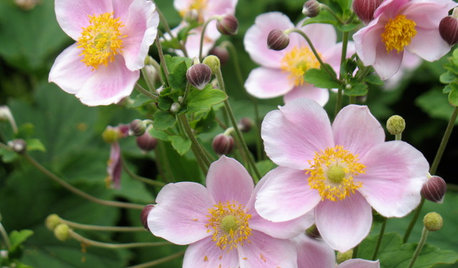
GARDENING GUIDESNortheast Gardener's August Checklist
It's hot in the August garden! Cool off with airy grasses and tactile plants that catch the breeze
Full Story
GARDENING GUIDESGreat Design Plant: Callirhoe Involucrata Wakes Up Hot Garden Spots
Give a dry and sunny garden a jolt of violet-pink color summer to fall — and watch bees and butterflies flock to the nectar
Full Story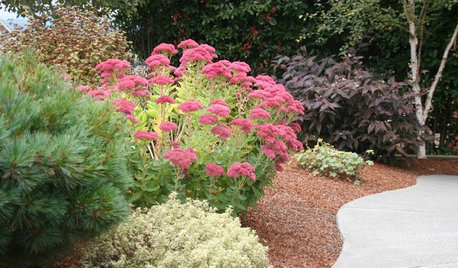
GARDENING GUIDESPacific Northwest Gardener's August Checklist
Deadheading perennials, cutting raspberry canes and preparing for the onion harvest keeps Northwest gardeners busy in August
Full Story
GARDENING GUIDESSouthwest Gardener's August Checklist
Manage monsoon effects, remember to fertilize and don't let the heat deter you from planting for fall
Full Story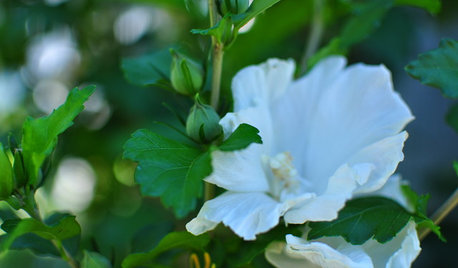
GARDENING GUIDESMid-Atlantic Gardener's August Checklist
Bring in the bounty of tomatoes, savor the show of grasses and start seeding some cool-season plants
Full Story
vee_new