

Can anyone identify this rash
6 years ago

Featured Answer
Sort by:Oldest
Comments (61)
 6 years agolast modified: 6 years ago
 6 years ago
Related Discussions
Anyone else get bad skin rash from Zukes or squash plants?
Comments (49)I've been researching on-line, and it appears that some people can be allergic to oils or sap from vegetable leaves, including zuch and squash-family (also tomato and carrot). The rash or irritation tends to be worse where your skin actually comes in contact with the plant because the little spiky bristles on the plant break the skin and the toxins get in, but apparently it is possible to also spread it when you get particles on your hands and touch other places on your body, like with poison ivy. Long sleeves/pants, gloves, and a bandana around your neck help, and the "wash gently afterwards" is good too. I still get some irritation even through long sleeves and pants, but I'm not wearing super thick material in the summer heat. But what we're experiencing is worse that what other people (who aren't allergic/sensitive to the plants) experience from the bristles scraping them....See MoreDoes anyone know what this rash is on my roses?
Comments (8)The best cure for black spot is GROW BLACK SPOT RESISTANT ROSES! Black spot resistant roses are coming out from the rose breeders more and more each year, from: bushs like the Knock Out series, ground covers like the Drift series, floribundas like Poseidon, to even hybrid teas like Pinkerbelle. That's your best bet to grow roses having the most pristine foliage without having to spray them. May I respectfully ask you to examine the underside of your leaves for spider mites. I do not see strong evidence of a black spot infestation in your sample leaf. Black spot, it may be, but usually several black, roundish, fuzzy-edged spots of varying sizes are present on a rose's leaf, often turning the leaf a bright yellow before it drops off. There are several strains of black spot, though, each with its own visual appearance. The most common black spot strain's symptom is as I just described. An individual spot being up to about 3/8" diameter, and adjacent spots do grow into each other making for a much larger 'community,' spot to 3/4" across, but usually not circular in its shape, but irregular. If it is a fungus, looks more like Cercospora leaf spot because the spots are not black, but tan/gray in color, particularly at their centers. However, the difference between the two, cercospora leaf spot and black spot, is a difference without much distinction. Both are harmful rose fungi. Athough in my garden, black spot is more deadly. BS can kill a bush at the worst, and at the least, weaken it until it performs very poorly. Cercospora is a little less deadly. Moses...See MoreCan anyone help with identifying these chairs?
Comments (3)This looks like a true antique (late 1800s to early 1900s) or a very early 20th-century reproduction still using traditional hand-applied upholstery methods. The style (Victorian balloon-back) aligns well with c. 1860–1890 dining chairs, but it’s possible they were reupholstered later (the green floral fabric looks mid-20th-century, not original)....See MoreCan anyone identify this particular linear pendant?
Comments (3)You likely already saw this similar one. Wonder if they modified the hanger due to height needed....See More 6 years ago
 6 years ago
 6 years agolast modified: 6 years ago
- 6 years ago
- 6 years ago
- 6 years ago
 6 years ago
 6 years ago
- 6 years ago
- 6 years ago
 6 years ago
- 6 years ago
 6 years ago
- 6 years ago
 6 years ago
 6 years ago
 6 years ago
 6 years agolast modified: 6 years ago
- 6 years ago
- 6 years ago
- 6 years agolast modified: 6 years ago
 6 years ago
- 6 years agolast modified: 6 years ago
 6 years ago
- 6 years ago
- 6 years ago
- 6 years ago
- 6 years ago
 6 years ago
- 6 years agolast modified: 6 years ago
 6 years ago
- 6 years agolast modified: 6 years ago
- 6 years ago
- 6 years ago
- 6 years ago
- 6 years ago
- 6 years ago
 6 years ago
- 6 years ago
- 6 years ago
- 6 years ago
- 6 years ago
- 6 years ago
- 6 years ago
- 6 years ago
- 6 years ago
 6 years ago
Related Stories
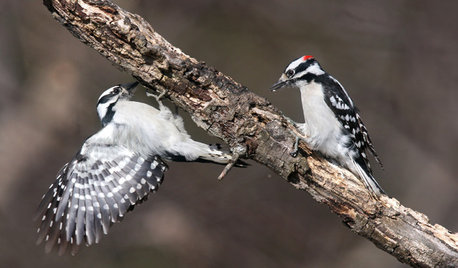
GARDENING FOR BIRDSBackyard Birds: How to Identify Two Common Woodpeckers
Downy and hairy woodpeckers have similar coloration and behavior. But there are two big differences that separate them
Full Story
BOOKSCan Tidying Up Result in Life-Changing Magic?
Organizing phenom Marie Kondo promises big results — if you embrace enormous changes and tough choices
Full Story
LIFEHow Your Landscaping Can Keep Burglars Away
Prevent home break-ins with strategic landscaping and good practices instead of menacing — and maybe less effective — measures
Full Story
MOST POPULAR9 Real Ways You Can Help After a House Fire
Suggestions from someone who lost her home to fire — and experienced the staggering generosity of community
Full Story
DECLUTTERING10 Decluttering Projects You Can Do in 15 Minutes or Less
Try these ideas to get organized at home one small step at a time
Full Story
DECORATING GUIDESCan 1970s Decor Don’ts Be Turned Into Do’s?
Mixed plaids, wood paneling, BarcaLoungers and more are finding their way into chic updated spaces
Full Story
ORGANIZINGYou Can Do It: 6 Steps to Organizing Your Loose Photos
Are your old pictures stuck in dusty boxes? Here’s how to get them in order — and ready to tell your family’s story
Full Story
MOST POPULARYou Can Turn That Into a Bathroom Vanity?
Find inspiration in 13 unconventional bathroom vanities that are as functional as the real deal
Full Story
LIFEThe Polite House: How Can I Kindly Get Party Guests to Use Coasters?
Here’s how to handle the age-old entertaining conundrum to protect your furniture — and friendships
Full Story
PETS5 Finishes Pets and Kids Can’t Destroy — and 5 to Avoid
Save your sanity and your decorating budget by choosing materials and surfaces that can stand up to abuse
Full Story
nekotish