

The meat industry’s supply chain broke. Here’s what you need to know
6 years ago
Featured Answer
Sort by:Oldest
Comments (51)
 6 years ago
 6 years ago
Related Discussions
You know you live in the rural midwest when....
Comments (30)I'm trying to remember, and I don't think I EVER saw lamb in...um...where I was before. I could find it an hour away at a (very expensive) meat market, but not locally. I seem to recall seeing veal a couple times, but veal is something I won't touch, and so would not notice its presence/absence. Forget finding any bread that wasn't "fluffy" or any fish that wasn't catfish. Don't even think about finding any kind of "exotic" mushroom/pepper/fresh herb. Basically if it can't be sugar coated or deep-fried, isn't hugely processed, doesn't have at least 20% salt/sugar and doesn't contain transfats, forget about finding it there. And forget eating out unless you like fast food or lower quality chains. (They were all a'twitter when Huddle House opened.) Now here? It's not like California where I could literally find anything, but it's pretty darn good. The only thing I've found really lacking is availability of fish (except that d#mned catfish...what the heck is it with the blasted catfish everywhere?) and I do have to really hunt for things like tahini, miso, etc....See MoreMore trouble in our food supply chain?
Comments (33)dcarch, some of us have always eaten all parts of the animal. I've grown up knowing about jowl bacon, liver dumplings, pickled pig's feet/knuckles, head cheese, cracklins, liver and onions. We ground up the heart to use in chili, usually, and made sandwiches from tongue and made soup from the oxtail way before it was popular. We always ate the "giblets" when we had turkey or chicken or game birds too, grandma would save gizzards and pressure cook them until they were tender and made "chicken ala king" out of them. I had to smile the other day at the grocery store, I found chicken gizzards for sale in pints. Chicken feet were always used for stock, as was fish heads, soup bones and pretty much everythng else, including the testicles/mountain oysters. I was taught that wasting any part of the animal was disrespectful, that animal was killed to feed us and so everything must be used. Of course, we were also taught that if we killed it, we ate it. Period. Nothing was ever killed for horns or display or for the "sport" of it. I still think that a big part of the problem is the sheer volune that we think we must eat. Half pound burgers and steaks that weigh a pound or more and whole racks of ribs. Cut our comsumption in half and we can afford the "good stuff" without increasing the grocery bill substantially. Annie...See MoreIt wasn't broke, but they fixed it.
Comments (12)chisue - I am Canadian and I can assure you our drugs are NOT free! I am going to assume that the Cdn. in line was 65 or older - otherwise our provincial health case does not cover the cost of prescriptions (and note, each province has a different plan). If the drugs a senior Canadian takes are offered in generic form, then that is what they have to take - or pay the difference between the cost of the generic and the brand name. Many people are allergic to the non-medicinal ingredients in the generic meds - I have one prescription - other than my HRT - and I have to have the name brand. I was incorrectly given the generic brand once and didn't check - and I had a very bad reaction - I was allergic to 5 of the 6 fillers. People who are under 65 have their prescriptions covered by office plans or purchased plans. My husband's office plan has a deductible of $1,250 which is pretty darned high for people who hardly have any prescriptions. Premiums are high - 2 people are classified as "family" - I would prefer a separate category for a couple for obvious reasons. I have had to see a doctor when out of the country. I had to pay for the doctor's visit - in cash - and then buy the meds where I was and then go through our provincial health care system for partial reimbursement of the doctor's visit and then the office plan for reimbursement of the cost of the drugs - a lot of paperwork - plus I needed permission to see a doctor. We do not receive any vision or dental coverage under our provincial health care plans - and we pay very high taxes and fees while at the same time prices are rising, and services are being cut. Is our system better than that in the U.S. for the average Joe - yes. Is it what many Americans think - absolutely NOT! There are many Cdns. who have had to pay for medical care in the U.S. at their own cost because the wait would have been over a year to see a specialist. I am not trying to start an argument here - I was just pointing out that all is not as it seems....See MoreFirst time raising rabbits for meat production, questions following.
Comments (10)I have over 100 rabbits in my barn right now. You can ask (10) people the same question and get (10) different answers on anything...and everyone could be a good / correct answer. It all comes down to circumstance and what works for you! What works for one person may be a total disaster for someone else. I could never raise rabbits like you are describing because I am too much of a control freak. I have hutch cards, computer spreadsheets on every doe and buck along with calendars full of useless information (to anyone else) about this or that. But it all comes down to...you work with what you got. One of the reasons for doing this is to provide meat for your family that is affordable and not full of GMO grains and hormones. You can't go out from the get-go and invest thousands of dollars on a professional set-up. It is not feasible. There are a lot of people out there raising rabbits in a colony and it seems to work for them. The one thing I hear them complain about is disease, predators and record keeping. With the rabbits living on the ground, the dampness is a perfect breeding ground for disease. Also when you get more than 1 or 2 does, you will never know whose kits are whose and which doe is the best producer. Not to mention not knowing when they breed and when to expect kindlings. I raise mine inside a barn in all wire cages. Like everyone else I started out with a wood hutch. Trying to keep them clean was a nightmare. I started with (2) Californian bucks and (3) Californian does. My first litter took 12-weeks to reach 5-lbs. Over the last year I have culled and saved rabbits to get my 5-lb rabbits in 10-weeks. I am still saving the best and eating the rest. My goal is to get a 5-lb rabbit in 8-weeks. I have incorporated a FB NZW buck to produce crosses and they were a big improvement over the FB Cali's when it comes to grow out times. Remember you get out of it what you put into it. A commercial 16% rabbit feed will provide the rabbits with everything they need to thrive. A small handful of hay will keep them content and their teeth ground down. If you want to get a typical 5-lb frying rabbit in 10 - 11 weeks...you must put in good quality feed. If "timing" does not matter...feed them garden scraps or forage for them everyday. But remember...a good frying rabbit is between 10 - 14 weeks old. As they get older, they start to get tougher and become roasters or crock pot rabbits. Like I said when I started this (longer than intended) post...you need to work with what you have. You are going to create what works for you and your animals. When something doesn't work, change it to something else. You will eventually find out the right combination and then you will be enjoying some AWESOME fried rabbit. There is nothing better! GOOD LUCK!...See More 6 years agolast modified: 6 years ago
- 6 years ago
- 6 years ago
- 6 years agolast modified: 6 years ago
 6 years ago
 6 years ago
- 6 years ago
 6 years agolast modified: 6 years ago
 6 years agolast modified: 6 years ago
 6 years ago
- 6 years agolast modified: 6 years ago
- 6 years ago
 6 years ago
- 6 years ago
 6 years ago
- 6 years ago
- 6 years ago
- 6 years agolast modified: 6 years ago
- 6 years ago
 6 years agolast modified: 6 years ago
- 6 years ago
- 6 years ago
- 6 years agolast modified: 6 years ago
- 6 years agolast modified: 6 years ago
- 6 years agolast modified: 6 years ago
 6 years ago
- 6 years agolast modified: 6 years ago
- 6 years ago
- 6 years ago
- 6 years agolast modified: 6 years ago
- 6 years agolast modified: 6 years ago
- 6 years ago
- 6 years agolast modified: 6 years ago
- 6 years ago
- 6 years ago
- 6 years agolast modified: 6 years ago
 6 years ago
- 6 years agolast modified: 6 years ago
- 6 years ago
- 6 years ago
- 6 years ago
 6 years ago
- 6 years agolast modified: 6 years ago
- 6 years ago
- 6 years ago
- 6 years agolast modified: 6 years ago
- 6 years agolast modified: 6 years ago
Related Stories
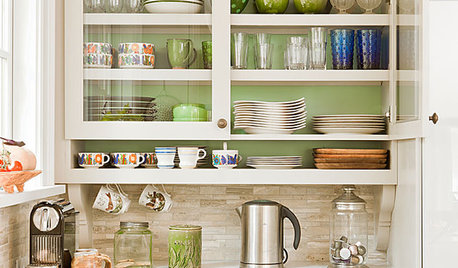
KITCHEN CABINETSChoosing New Cabinets? Here’s What to Know Before You Shop
Get the scoop on kitchen and bathroom cabinet materials and construction methods to understand your options
Full Story
PETSLove Pets? Here’s What to Look for in a House
Make sure Buddy and Bella will have the safe and comfortable spaces they need
Full Story
HOME TECHLove Your TV but Not the Way It Looks? Here’s How to Hide It
See the clever new ways designers are concealing that big, blank TV screen
Full Story
DECORATING GUIDESCan 1970s Decor Don’ts Be Turned Into Do’s?
Mixed plaids, wood paneling, BarcaLoungers and more are finding their way into chic updated spaces
Full Story
FEATURESHow Tupperware’s Inventor Left a Legacy That’s Anything but Airtight
Earl S. Tupper — and his trailblazing marketing guru, Brownie Wise — forever changed food storage. His story is stranger than fiction
Full Story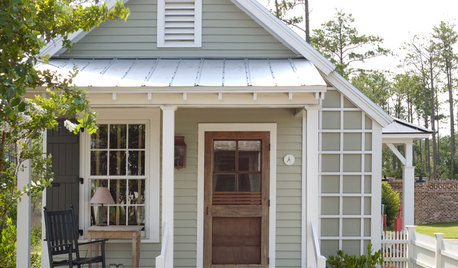
LIFEData Watch: What’s Great, and What’s Not, About a Smaller Home
Houzz asked more than 200 U.S. homeowners about life in 1,000 square feet or less. Here’s what they said
Full Story
KITCHEN STORAGEGet the Most Out of Your Kitchen’s Undersink Area
Clever solutions can turn this awkward space into a storage workhorse for cleaning supplies and more
Full Story
WORKING WITH PROSA Beginner’s Guide to Managing a Remodel
How do you make your design dream a reality? Here’s some project management know-how to help you work with your designer
Full Story
REMODELING GUIDESWhat It’s Really Like to Live Through a Remodel
We offer a few tips for remodeling newbies on what to expect and how to survive the process
Full Story
SHELTERING AT HOME15 Essentials for the Baker’s Kitchen
You can turn out delicious home-baked goods with ease when you own these utensils, tools and pans
Full Story

annie1992