

Florida Looking into Uncertified "Emotional Support" Animals
6 years ago
Featured Answer
Sort by:Oldest
Comments (65)
 6 years agolast modified: 6 years ago
 6 years agolast modified: 6 years ago
Related Discussions
The Lesser Of Two Evils (fungicides) For Black Spot
Comments (63)Usually skip this subject since I've no experience with sprays besides some traditionals like sulfur & copper used many moons ago on fruit trees. Given my ignorance & the range of opinions, hesitant to even stick a toe in these waters, but (here we go) feel the need to share some thoughts. We all acknowledge we can't grow some roses as perennials in the open garden due to intrinsic climate & site unsuitability, available space & individual practical considerations at any given time. We intentionally eliminate some roses from consideration for not meeting our bloom & growth preferences. Of those we do select, some will self-eliminate despite our care or be rejected down the road for not living up to expectations or no longer appealing as our tastes change. The most critical of my criteria for choosing any rose is its reputation for health & vitality in conditions similar to my own. Gardening more than 50 years in typically humid & fungal prone locations zoomed this to the top of the list long ago. Heavy physical reactions to all the "-cides" except elemental since childhood prohibits their use, as does my philosophical worldview. So I garden the old-fashioned way, pre sophisticated chemical compounds, by necessity. From my point of view, the health potential of any plant is expressed by positive response to its environment - nature vs. nurture - and the availability of the elements & conditions it needs to thrive tilt the odds to favor this expression. We all know moving a shaded rose into more sunlight often "cures" its blackspot outbreak, athough fungal exposure hasn't changed, and that roses sometimes outgrow these outbreaks with maturity. Believe boosting the plant's immune system by helping nature provide those essentials allows it to function optimally on its own, so concentrate my efforts on these aspects. (Same principles as human health. Incidentally, fortify my immune function with the internal products of plants' immune systems - essential oils - borrowing from the plants as it were, the core of traditional botanical medicine.) When we first came to this garden 16 years ago, it had been installed & maintained by a college groundskeeper for 7 years on heavy-duty chemical prevention principles. Extensive shrubbery had been maintained with yearly chunky woodchips atop that of prior applications - 6" worth suffocating the soil without deteriorating though covered in sour-smelling fungus. Couldn't find a worm wherever I dug outside the woods & not a bug, good or bad, in evidence besides mosquitos, flies & chiggers. The few roses were dwindling away under this treatment, bare shadows of their potential. Reversed that trend with organic husbandry & the worms returned. Fed the beneficial microorganisms that fed the worms that till & aerate the soil & the soil web reestablished itself to create an environment in which suitable plants can thrive. For years now, the gardens have welcomed a wide variety of inhabitants that appear to have found an interwoven balance with which I'd be loath to meddle. Beneficials & birds keep the ruffians in check most seasons with an assist from the hose. One year the garden club girls (one fellow joined as I was leaving) spent an entire initial meeting exclaiming about decimation the Japanese beetles wrought over the Summer. Apparently no one believed my surprise & report that only a few spotted here that season not far from their gardens, or they might have wondered what could be different here... Many roses brought in over the years, some with blackspot or mildew from travel stress, so likely a mix of farflung varieties present. Most got over it, as have those which arrived this humid rainy season, including a spotted Buff Beauty bought locally. Fungals show up here & there in small bouts with minor fleeting consequence (knock on wood). Still not brave enough to intentionally choose roses not known for their good health, some of those with mixed reviews doing well. Those among the dear departed were dispatched by deer, storms, cold, neglect & seeming suicide. Shovel pruned 2 for RRD. In my book, really not a bad record for all the years & varieties attempted. Saved a lot of bucks & effort counted up over time, alternately spent on new plants & garden stuff. But then, an admittedly lazy gardener relying on simple methods to support health, the weather gods (as do we all) & beneficial energies... Longwinded way of saying it can be done - growing roses naturally in the humid fungus-ridden Southeast - by way of encouragement to those considering a change of method & solidarity with those already doing it, too. This post was edited by vasue on Sun, Jun 22, 14 at 21:37...See MoreOur Blooming Friends Christmas in July
Comments (214)Thanks to those who voted so quickly. I will keep voting open until tomorrow at 10 AM California time to give everyone a chance to vote. I hope to get everything wrapped up and prizes in the mail Friday Thanks to all who played and participated in this swap. Hope you got a surprise you enjoy and can use....See MoreHas anyone ever taken a dog to the UK?
Comments (64)Thanks :) I know there are no guarantees. While the hope of course is that Molly does well during and after surgery and lives until 17 or 18, anything can happen at any time. But, I don't want to see her get weaker and sicker from this terrible disease, so at the very least I can prevent that. Preventing that alone is worth the money and effort, no matter the outcome. She is too happy and kind of a creature to have any suffering in her life and I will do everything I can to prevent her from experiencing it. I'm very hopeful about some of the clinical trials going on now. Not for Molly, they won't be in time for her (hence why we're going overseas) but I think/pray a breakthrough is just a few years away. MVD is one of the leading causes of death and disability in dogs, and it affects millions of dogs. I truly hope that some of these non-invasive valve replacement solutions will mean far fewer dogs suffering from this horrible condition. {And potentially some of these solutions could one day be used to provide a less invasive option for people with mitral valve disease too)....See MoreThis is what is upsetting people in my neighborhood on NextDoor
Comments (63)Here people post videos of ducks in their swimming pools, and they are not welcome because of the poop, which is bad for the pools. Evidently, ducks are worse than dogs. Fortunately, I do not have ducks in my pool, but I do have doves that will walk over my waterfall and drink from it. On hot days they will sometimes sit on it. On a side note, I did order some golf pants that I found reduced by 75%, and I do need some more long pants. I need more shorts, for that matter, but they were not reduced in price. The golf stores here tend to be very expensive, and I would rather make my own clothes than pay their prices. When I lived in San Francisco, a friends who was a flight attendant for TWA (that's how long ago it was) said that if I gave him some money, he would buy some silk in Hong Kong for me to make pants for myself. So I gave him some money, and he came back with white peau de soie, and I said to him, "I'm not Rod Stewart," and so instead of long pants, I made some tennis shorts. I preferred to wear all white when playing tennis, and I used Tretorn tennis balls because they were the only white ones I could find. I also wore Tretorn shoes because they were solid white. I hated colored logos on tennis shoes, and I still have Tretorn shoes today. When I make myself some more shorts, I'm going to order fabric from Spoonflower with a print that I have designed myself....See More- 6 years ago
 6 years ago
- 6 years ago
 6 years ago
 6 years ago
- 6 years ago
- 6 years agolast modified: 6 years ago
- 6 years ago
 6 years ago
- 6 years ago
- 6 years ago
- 6 years ago
 6 years ago
- 6 years ago
- 6 years agolast modified: 6 years ago
 6 years agolast modified: 6 years ago
- 6 years ago
- 6 years agolast modified: 6 years ago
- 6 years ago
- 6 years ago
 6 years ago
- 6 years ago
 6 years ago
- 6 years ago
- 6 years ago
- 6 years agolast modified: 6 years ago
- 6 years ago
- 6 years ago
- 6 years ago
- 6 years ago
 6 years ago
 6 years ago
- 6 years ago
- 6 years ago
- 6 years ago
- 6 years ago
 6 years agolast modified: 6 years ago
- 6 years ago
- 6 years ago
- 6 years ago
- 6 years ago
- 6 years ago
- 6 years ago
- 6 years agolast modified: 6 years ago
- 6 years agolast modified: 6 years ago
 6 years ago
- 6 years agolast modified: 6 years ago
- 6 years agolast modified: 6 years ago
Related Stories
HOUZZ TV FAVORITESHouzz TV: Animals, Love and Color on a Florida Farm
Farm-fresh style is just right for this family of 6 — and their horses, dogs, cats, chickens, zebus, birds and pig
Full Story
GARDENING GUIDESSupport Bumblebees by Providing Forage in 3 Seasons
Bumblebees are fascinating and fun to observe foraging in gardens. Find out how to create a buffet for these fuzzy, charismatic bees
Full Story
LIFEA Caregiver’s Guide to a Supportive Home
A daughter who’s been there shares 9 tips on tailoring a home for a loved one with dementia
Full Story
UNIVERSAL DESIGNWhat to Look for in a House if You Plan to Age in Place
Look for details like these when designing or shopping for your forever home
Full Story
DECORATING GUIDESHouzz Tour: Layered Look Adds a Fresh Sense of Style
Midcentury art, pottery and a mix of furnishings bring a hip edge to a traditional Los Angeles home
Full Story
MOST POPULARTrend Watch: 13 Kitchen Looks Expected to Be Big in 2015
3 designers share their thoughts on what looks, finishes and design elements will be on trend in the year ahead
Full Story
REMODELING GUIDESGet the Look of a Built-in Fridge for Less
So you want a flush refrigerator but aren’t flush with funds. We’ve got just the workaround for you
Full Story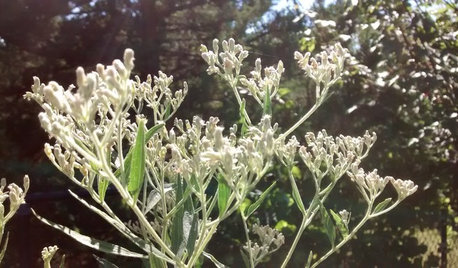
FLOWERS AND PLANTSSupport Fall Pollinators With Eupatorium Altissimum
Tall thoroughwort, also called tall boneset, is an adaptable native of the central to eastern U.S. with bright white flowers
Full Story0

GREEN BUILDINGWhat's LEED All About, Anyway?
If you're looking for a sustainable, energy-efficient home, look into LEED certification. Learn about the program and its rating system here
Full Story
TRANSITIONAL HOMESHouzz Tour: A Happy-Trails Home on a California Field
Horse-loving homeowners look to barns and equestrian references for their light and bright new build
Full Story

gardengal48 (PNW Z8/9)