

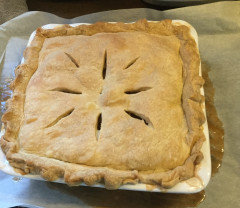
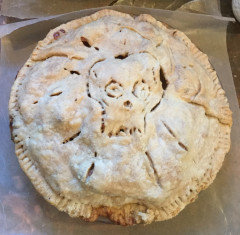
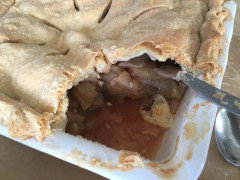
Pastry mistake -fail or not?
7 years ago
Featured Answer
Sort by:Oldest
Comments (21)
- 7 years ago
Related Discussions
Need recommendations for some GOOD Kitchen appliances
Comments (4)Ah, I haven't checked out Robot Coupe yet---used to use them in my distant restaurant days in Paris! I'll check into Costco, too, although the hassle of returning stuff is not my idea of 'easy'. Thanks for these responses, though. Has anyone got feedback on the Braun K650 CombiMax Food Processor/600W? FYI, rhome410, I got my flat Cuisinart cover from A Cook's Wares and I believe they still carry them. Here is a link that might be useful: Cook's Wares Cuisinart Parts...See MoreCookalong #4 - Basil
Comments (0)Posted by wizardnm (My Page) on Tue, Mar 3, 09 at 8:27 Compumom has chosen BASIL for this Cookalong. Let's put our thinking caps on and come up with a wide variety of ideas for using it. Our virtual dinner featuring basil will be on Saturday, March 14. For those that may have missed the first Cookalong..... the idea here is to post hints, recipes and discuss the focus ingredient over the next two weeks. Recipes can use any form of the ingredient. Please mention the recipe source and whether it is one that you have already made (T+T) or one that you might be trying for the first time. I'm going to make an attempt to link all the cookalongs together. Nancy Here is a link that might be useful: Cookalong #3 -- Carrots Follow-Up Postings: o RE: Cookalong #4 --- Basil --- Thread #1 clip this post email this post what is this? see most clipped and recent clippings * Posted by lpinkmountain (My Page) on Tue, Mar 3, 09 at 9:41 As a segue, here's what I'm planning to make next, another recipe from Orangette's blog. I have acini de pepe to use up. It combines carrots and basil. I can't afford the fresh stuff though. There is a chance that I still have some pesto cubes in the freezer. So I will have to make some adjustments. I also don't have fresh thyme. I can't afford to buy fresh herbs. But I do have dried herbs from my own garden from last summer. I'm also going to use canned tomatoes. But I know some of you lucky southern climate folks can get fresh ones! Provenl Tomato Soup with Orange, Saffron, and Tiny Pasta Adapted from Gourmet, September 2006 This business of blanching, peeling, and seeding the tomatoes may be a little fussy, yes, but it makes for a lovely, soft tomato flavor. Plus, theres nothing quite so satisfying for the fingers as slipping the skins from a few tomatoes, or scooping out their seeds and juicy slop. And aside from that mild labor, this soup is pretty straightforward. With a stir every now and then, it mainly cooks itself. And it makes for easy eating on the front stoop a table for two with a view! on an early fall evening. With a hunk of bread and some cheese alongside, its dinner. 2 lb good-tasting tomatoes 2 medium onions, peeled, quartered lengthwise, and thinly sliced (~2 cups) 1 medium carrot, finely chopped or cut into very thin rounds 1 celery stalk, finely chopped 4 large garlic cloves, minced 1 (3- by 1-inch) ribbon of fresh orange zest, minced 1 tsp finely chopped fresh thyme Scant ¼ tsp dried hot red pepper flakes ¼ tsp fennel seeds 1 Turkish bay leaf 3 Tbs good-tasting olive oil 2 Tbs tomato paste 4 ¾ cups water ¾ tsp salt, or to taste Pinch crumbled saffron threads 1 to 2 tsp granulated sugar ¼ cup small soup pasta, such as acini di pepe 2 Tbs finely chopped fresh Italian parsley ¼ cup finely chopped fresh basil Bring a 5- to 6-quart saucepan of water to a boil. Cut a shallow X in the bottom of each tomato with a sharp knife, and blanch them, 2 or 3 at a time, in the boiling water for about 15 seconds, until the skin around the X starts to curl. Using a slotted spoon, transfer the tomatoes to a bowl of ice water. When they are cool enough to handle, peel them, core them, and halve them crosswise. Set a sieve over a medium bowl, and squeeze the tomato halves gently over it, cut sides down, to extract the seeds and pulp. You may have to use your fingers to coax them out. Press on the seeds in the sieve to push through any juice; then discard them. Reserve the juice and the tomatoes. Pour the water out of the saucepan, and wipe it dry. Pour in the oil, and warm it over medium heat. Add the onions, carrot, celery, garlic, orange zest, thyme, red pepper flakes, fennel seeds, and bay leaf. Cook over medium heat, stirring occasionally, until the vegetables are very soft but not brown, about 8-10 minutes. Add the tomatoes with their reserved juice and the tomato paste, water, salt, saffron, and 1 tsp sugar. Simmer, uncovered, stirring and breaking up the tomatoes with a spoon occasionally, about 25-30 minutes. Add the pasta, stir to mix, and simmer, uncovered, until tender, about 5 minutes. Discard the bay leaf, and stir in the parsley and basil. Taste, and adjust sugar and salt as needed. Serve. Yield: 4-6 servings, depending on what else youre eating Here is a link that might be useful: On stewing, and soup o RE: Cookalong #4 --- Basil --- Thread #1 clip this post email this post what is this? see most clipped and recent clippings * Posted by woodie2 (My Page) on Tue, Mar 3, 09 at 10:33 This is a tried and true favorite of mine - Crispy Chicken Cutlets with Basil-Parsley Sauce Recipe courtesy Rachael Ray Recipe Summary Difficulty: Easy Prep Time: 18 minutes Cook Time: 15 minutes Yield: 4 servings 2 pounds chicken cutlets Salt and pepper 3 to 4 tablespoons all-purpose flour 1 cup Italian bread crumbs 1/3 to 1/2 cup grated Parmigiano, a couple of handfuls 1 teaspoon crushed red pepper flakes 2 teaspoons poultry seasoning 1 clove garlic 1 (3-ounce) jar pine nuts (pignoli) 1 lemon, zested 2 eggs, beaten Olive oil, for shallow frying Basil- Parsley Sauce: 1 cup loosely packed basil leaves 1/2 cup loosely packed parsley leaves 1/2 lemon, juiced Salt and freshly ground black pepper 1/4 cup extra-virgin olive oil, eyeball it 1 Roma or plum tomato, seeded and finely chopped, for garnish Season the cutlets with salt and pepper on both sides turn lightly in flour. Combine next 7 ingredients in food processor and pulse-process the crumbs to chop the spices, garlic and nuts and evenly distribute the flavors throughout the crumb and cheese mixture. Transfer the mixture to a plate. Beat eggs in a separate shallow dish. Heat a thin layer of oil in a large skillet, just enough to coat the bottom of the pan, over medium to medium high heat. Coat the cutlets in eggs then breading and add to the hot oil. Cook cutlets in a single layer, in 2 batches if necessary, about 3 or 4 minutes on each side, until cutlets' juices run clear and breading is evenly browned. Return food processor bowl to base and add basil, parsley and lemon juice. Add a little salt and pepper. Turn processor on and stream in oil until a loose paste forms. Serve chicken cutlets with a generous amount of basil and parsley sauce poured over the cutlets. Garnish the chicken with finely chopped Roma tomato. o RE: Cookalong #4 --- Basil --- Thread #1 clip this post email this post what is this? see most clipped and recent clippings * Posted by marlingardener (My Page) on Tue, Mar 3, 09 at 11:44 I'm not in the gourmet chef league as many of the posters are, but I do have a unique and tasty appetizer featuring basil. Dip cherry tomatoes in hot water just long enough to slip their skins. Take young basil leaves and stick them in the stem end of the tomatoes. Serve on a platter laying on a bed of crushed ice. If you can get yellow and red tomatoes, it looks prettier. o RE: Cookalong #4 --- Basil --- Thread #1 clip this post email this post what is this? see most clipped and recent clippings * Posted by lindac (My Page) on Tue, Mar 3, 09 at 11:45 There was a show on the food network this past 2 weeks that was a challenge using basil. They cooked basil ice cream and a basil scented cornmeal cake.....and only one person did the traditional basil pesto over pasta.... I use lots of basil in the summer when I have it growing and fresh, but rarely use it in the winter but for the pesto in the freezer. I add a cube of pesto to lots of things like soups, sauces and as a bread dip. Linda c o RE: Cookalong #4 --- Basil --- Thread #1 clip this post email this post what is this? see most clipped and recent clippings * Posted by jude31 (My Page) on Tue, Mar 3, 09 at 11:51 Nancy, you are playing my song! Love, love, love basil and I can't wait to see all the recipes posted. I'll be back with one or more. jude o RE: Cookalong #4 --- Basil --- Thread #1 clip this post email this post what is this? see most clipped and recent clippings * Posted by jessyf (My Page) on Tue, Mar 3, 09 at 19:26 Time to drag this one out of my cobwsebbed magazine collection. I mde this quite a few times then forgot about it. Actually the recipe calls for pork chops..... I used Trader Joe's frozen or jarred mango when I couldn't find fresh to my liking. Grilled Chicken with Mango-Basil Sauce Bon Appétit : June 1997 Ingredients 1 small mango, peeled, pitted 1 tablespoon plus 2 teaspoons vegetable oil 1 tablespoon minced garlic 1 jalapeño chili, seeded, minced 1/3 cup thinly sliced fresh basil leaves 3/4 cup canned low-salt chicken broth 1 1/2 tablespoons golden brown sugar 1 tablespoon soy sauce 4 6- to 8-ounce flattened chicken breasts, boneless/skinless Preparation Puree mango in processor. Set aside 1/2 cup puree (reserve any remaining puree for another use). Heat 1 tablespoon oil in medium skillet over medium heat. Add garlic and jalapeño, then basil; sauté just until basil wilts, about 1 minute. Add broth, brown sugar and soy sauce. Bring to boil, stirring occasionally. Reduce heat to low and simmer 3 minutes. Gradually whisk in cup mango puree. Simmer until sauce thickens and coats spoon, about 5 minutes. Season with salt and pepper. Prepare barbecue or preheat broiler. Brush chicken with 2 teaspoons oil. Sprinkle with salt and pepper. Grill or broil until just cooked through, about 5 minutes per side. Transfer to plates. Rewarm sauce over low heat, stirring occasionally. Drizzle over chicken. Here is a link that might be useful: Original recipe, Bon Apetite o RE: Cookalong #4 --- Basil -basil -- Thread #1 clip this post email this post what is this? see most clipped and recent clippings * Posted by jessyf (My Page) on Tue, Mar 3, 09 at 19:39 Who posted the Pho recipe. Was it RachelEllen or Natalie ntt_hou). I can't find it. I think it would be a good addition. I admit that I can't make it better than I can get elsewhere around Los Angeles, but someone ele might want to make it. It calls for lots of basil at the end. o RE: Cookalong #4 --- Basil --- Thread #1 clip this post email this post what is this? see most clipped and recent clippings * Posted by lakeguy35 (My Page) on Tue, Mar 3, 09 at 19:53 This is a T & T in my files from Ina Garten. David Roasted Tomato Basil Soup Copyright, 1999, The Barefoot Contessa Cookbook, All rights reserved Show: Barefoot Contessa Episode: Feel Good Food Recipe Summary Prep Time: 15 minutes Cook Time: 1 hour 35 minutes Yield: 6 to 8 servings 3 pounds ripe plum tomatoes, cut in half 1/4 cup plus 2 tablespoons good olive oil 1 tablespoon kosher salt 1 1/2 teaspoons freshly ground black pepper 2 cups chopped yellow onions (2 onions) 6 garlic cloves, minced 2 tablespoons unsalted butter 1/4 teaspoon crushed red pepper flakes 1 (28-ounce) canned plum tomatoes, with their juice 4 cups fresh basil leaves, packed 1 teaspoon fresh thyme leaves 1 quart chicken stock or water Preheat the oven to 400 degrees F. Toss together the tomatoes, 1/4 cup olive oil, salt, and pepper. Spread the tomatoes in 1 layer on a baking sheet and roast for 45 minutes. In an 8-quart stockpot over medium heat, saute the onions and garlic with 2 tablespoons of olive oil, the butter, and red pepper flakes for 10 minutes, until the onions start to brown. Add the canned tomatoes, basil, thyme, and chicken stock. Add the oven-roasted tomatoes, including the liquid on the baking sheet. Bring to a boil and simmer uncovered for 40 minutes. Pass through a food mill fitted with the coarsest blade. Taste for seasonings. Serve hot or cold. Note: I don't have a food mill. I just use a stick blender. o RE: Cookalong #4 --- Basil --- Thread #1 clip this post email this post what is this? see most clipped and recent clippings * Posted by canarybird (My Page) on Wed, Mar 4, 09 at 6:28 Since we both love any kind of pasta with pesto, I might be making this or perhaps I'll try to find a local Spanish recipe using basil for a change. I make this often and it's delicious: PESTO - from Italian TV demo 4 cloves garlic, minced 2 cups basil leaves 1/2 cup olive oil 1/2 teasp salt 1/2 teasp f.g. pepper 1/2 cup parmesan cheese grated 1/2 cup pine nuts (2 small jars) teasp water Process in food processor, adding oil slowly until all is creamy. SharonCb o RE: Cookalong #4 --- Basil --- Thread #1 clip this post email this post what is this? see most clipped and recent clippings * Posted by sally2 (My Page) on Wed, Mar 4, 09 at 9:36 I'm hoping basil plants will be at the nursery in time for this challenge, but it might be a week or 2 early for that. I'm keeping my fingers crossed. I hate to go out and buy basil at the grocery store when it's so close to time to plant it. Here's a recipe by Giada De Laurentis I've posted before, but it pertains to this challenge, and we really like it. To make it vegetarian, I substitute vegetable broth for the chicken broth. I've made it with regular couscous, with orzo, and with the Israeli couscous. All worked, but the regular couscous was the least successful. The slightly larger texture of the Israeli couscous or the orzo works the best. Mediterranean Salad Recipe courtesy Giada De Laurentis 3 tablespoons extra-virgin olive oil, plus 1/4 cup 2 cloves garlic, minced 1 (1-pound) box Israeli couscous (or any small pasta) 3 cups chicken stock 2 lemons, juiced 1 lemon, zested 1/2 teaspoon salt 1/2 teaspoon freshly ground black pepper 1 cup chopped fresh basil leaves 1/2 cup chopped fresh mint leaves 1/4 cup dried cranberries 1/4 cup slivered almonds, toasted In a medium saucepan, warm 3 tablespoons of the olive oil over medium heat. Add the garlic and cook for 1 minute. Add the couscous and cook until toasted and lightly browned, stirring often, about 5 minutes. Carefully add the stock, and the juice of 1 lemon, and bring to a boil. Reduce the heat and simmer, covered, until the couscous is tender, but still firm to the bite, stirring occasionally, about 8 to 10 minutes. Drain the couscous. In a large bowl, toss the cooked couscous with the remaining olive oil, remaining lemon juice, zest, salt, and pepper and let cool. Once the couscous is room temperature, add the fresh herbs, dried cranberries, and almonds. Toss to combine and serve. Recipe Summary Difficulty: Easy Prep Time: 20 minutes Inactive Prep Time: 30 minutes Cook Time: 10 minutes Yield: 6 servings Episode#: EI0819 Copyright © 2006 Television Food Network, G.P., All Rights Reserved There's also a Brown Rice and Basil Salad recipe by Ina Garten I've made before that's really good. I don't have it on my computer, and don't have time now to type it out, so I'll try to do that tonight, or at least before the deadline. Linda, I saw that episode of Iron Chef where basil was the secret ingredient. I thought a lot of what they made sounded good, and some sounded odd. It looked, though, that the judges were pretty tough on both contestants, and didn't rave about any of the food. I was a little surprised they were so blase about what they were served. Sally o RE: Cookalong #4 --- Basil --- Thread #1 clip this post email this post what is this? see most clipped and recent clippings * Posted by shaun (My Page) on Wed, Mar 4, 09 at 10:35 marlingardener I'd really love to see a picture of the recipe you posted for the cherry tomatoes. Do you happen to have one? o RE: Cookalong #4 --- Basil --- Thread #1 clip this post email this post what is this? see most clipped and recent clippings * Posted by lisazone6_ma (My Page) on Wed, Mar 4, 09 at 12:31 I make a dipping oil for bread using pesto in the winter, and fresh basil in the summer. I don't measure, I simply add things to taste, but I'll put in approximate amounts - you can change amounts to increase/decrease the total. The basic ingredients are as follows, but you can add other things or leave what you don't like out and it'll still work. 1 cup extra virgin olive oil 2-3 tbsp balsamic vinegar Sea salt or kosher salt Fresh cracked black pepper 1/2 cup grated parmesan cheese 1 hot dried red pepper crushed or 1/4 tsp red pepper flakes 2-3 tbsp pesto or 6-8 large fresh basil leaves chopped 2 tbsp Garlic paste made from roasted garlic, or couple cloves chopped (even if using the pesto, and I like a lot of garlic - you can reduce the amount if you prefer it less intense) I roll the fresh basil leaves together then cut them with a scissors to make strips or chiffonades (sp?) Mix all ingredients and let sit for a bit for flavors to combine. You can just refrigerate any leftovers and bring to room temp to use again. The cheese, and especially if you use the pesto, makes it on the thick side, but that's the way we like it! Lisa o RE: Cookalong #4 --- Basil --- Thread #1 clip this post email this post what is this? see most clipped and recent clippings * Posted by chase (My Page) on Wed, Mar 4, 09 at 12:43 Think I might make this dish. Haven't had it for a long time. Cherry Tomato, Onion, Basil Sauce 2 Tbl olive oil 1/2 sweet vidalia onion sliced thin few drops best balsamic vinegar 2 garlic cloves minced 1 Lb cherry tomatoes halved 8-10 Basil leaves chopped salt and pepper 4 Oz Small Mozzarella Balls (Boccacini) Or Fresh Moz Cut In 1/2 Inch Squares Place oil in saute pan, add sliced onions and saute on medium heat until limp. Do not let brown or crisp. Add a few drops balsamic. Cook a few more minutes.Add garlic and continue to cook until onions are caramelized. Add cherry tomatoes. Season with salt and pepper. Cook over medium low heat until the tomatoes loose their shape and give up their juices. Add basil and simmer until basil is limp and sauce is fragrant. Add the moz and toss with fresh cooked pasta such as linguine. Serve with Parmesan cheese. Here is another favourite dish of mine. Very special. Pork With Herb Crust I usually only do one 5 rib roast but I keep the same measurements for the herbs! Serve with Garlic Parmesan mashed potatoes and green beans 2 (3- to 4-pound) racks of pork 3 tablespoons olive oil 1 1/2 Tsp salt 7 garlic cloves minced 1/3 Cup fresh basil Chopped 1/3 Cup fresh thyme Chopped 1/3 Cup fresh parsley Chopped 2 Tbl pepper Coarsely Ground 1 1/4 Cup butter (or margarine)cut up 1/3 cup all-purpose flour 2 Can chicken broth 1 Tbl tomato paste 2 Tbl fresh sage Chopped 1/4 Tsp pepper Rub pork with olive oil, and sprinkle with salt. Stir together garlic and next 4 ingredients; press onto pork. Place pork on a rack in a lightly greased broiler pan; cover bone tips with aluminum foil to prevent burning. Bake at 350 for 1 hour and 15 minutes or until a meat thermometer inserted into thickest portion registers 150max, I prefer 140-145 ! Transfer pork to a serving tray.Cover and let rest while making sauce (even if you don't make the sauce let the pork rest for at least 10 minutes to redistribute juices and let the internal temp climb a bit more) Pour pan drippings into a skillet. Add butter to drippings; cook over medium heat until butter melts. Whisk in flour until smooth. Cook, whisking constantly, until caramel colored. Gradually whisk. in broth and next 3 ingredients; cook over medium heat, whisking constantly, 2 to 3 minutes or until mixture is thickened and bubbly. Serve with 'pork. Garnish, if desired. Yield: 8 servings.~ o RE: Cookalong #4 --- Basil --- Thread #1 clip this post email this post what is this? see most clipped and recent clippings * Posted by cloudy_christine (My Page) on Wed, Mar 4, 09 at 12:59 Franco and Margaret Romagnoli had a cooking show on PBS years ago. One of my favorite pasta dishes comes from their cookbook, The Romagnolis' Table. It's a rich, butter-based sauce that couldn't be easier. The recipe intro says the sauce is classic with mostaccioli, ziti, and rigatoni, "and rather more special and delicate with homemade fettucine." I usually make it with our favorite thin spaghetti, DeCecco fedelini. Pasta with Tomato and Basil Sauce 8 tablesooons unsalted butter 12 fresh plum tomatoes, or 3 cups canned (I often use more than 12) 6 fresh basil leaves (or more) 1 1/2 teaspoons salt (I use less) 6 Tablesoons Parmesan cheese, sprinkled on the sauced pasta 1 1/4 pounds of pasta (I use less), or a 5-egg batch of home-made fettucine. Melt the butter in a big frying pan over medium heat. Remove from heat. Add the tomatoes. If you use fresh plum tomatoes: peel them, and cut them into chunks before adding to the butter. If you use canned tomatoes: crush them gently with a wooden spoon as you stir them in. Break the basil leaves into the pan, add the salt, raise the heat, and when the whole combination starts to boil, lower the heat to a simmer. Let it bubble along about 20 minutes, or until the juice has cooked away a bit,and the color darkened. Stir occasionally during the simmering process. If the sauce hasn't simmerd enough, it will sink to the bottom of the dish instead of coating the pasta when mixed. Cook and drain the pasta, and turn it out on a deep platter or a wide, shallow bowl, cover with the sauce, and sprinkle with the Parmesan cheese. Turn the pasta with a serving fork and spoon to get the saude to coat it. Serve immediately. o RE: Cookalong #4 --- Basil --- Thread #1 clip this post email this post what is this? see most clipped and recent clippings * Posted by ruthanna (My Page) on Thu, Mar 5, 09 at 7:38 Basil is a tough ingredient for me at this time of the year. I like fresh basil with tomatoes, corn, etc. and I rarely buy those ingredients except in the summertime. I have been making this recipe with dried basil since my college days and it's as economical now as it was then. Even though it doesn't use much basil, it definitely is the standout flavoring. CHICKEN LIVERS AND RICE - 2 to 3 servings 4 slices bacon, cut into 1/2 inch slices 1 lb. chicken livers, trimmed and quartered 1/4 cup flour 1/2 tsp. salt 1/4 tsp. pepper 1/2 cup chopped onion 1/2 cup uncooked rice 1 envelope instant chicken broth 1/2 tsp. dried basil, crumbled 1 whole bay leaf 1 1/4 cup water 2 Tbs. chopped fresh parsley (do not omit) Cook bacon until crisp in large skillet. Combine flour, salt and pepper and dredge chicken livers in it. Remove bacon and reserve. Brown livers in bacon grease. Remove and reserve. Saute onion over medium heat in same skillet (add 1 Tbs. olive oil of needed.) Stir in rice, broth pack, basil, bay leaf and water. Heat to boiling; then turn heat to low. Stir mixture thoroughly, scraping up any browned bits on the bottom of the skillet. Cover. Simmer 20 minutes without lifting lid. Spoon reserved livers over rice but dont stir. Put lid back on and simmer for another 10 minutes or until liquid is absorbed and rice is tender. Remove bay leaf. Sprinkle with bacon and chopped parsley. Note: You can substitute 1 1/4 cups of chicken broth for the water and omit the instant chicken broth packet. Photobucket o RE: Cookalong #4 --- Basil --- Thread #1 clip this post email this post what is this? see most clipped and recent clippings * Posted by theresafic (My Page) on Mon, Mar 9, 09 at 13:49 For various reasons I was unable to participate in the first two cookalongs but I plan to on basil. My husband bought me an aerogarden for Valentines day and I have basil growing. Not enough for a whole recipe but enough for garnish or to enhance the flavor of the dried basil I will use. I am not sure of what I will make but I want something different than pesto or using it on pasta. I'll think about it and post back later. I hope that people are still interested in the cookalong for this weekend. o RE: Cookalong #4 --- Basil --- Thread #1 clip this post email this post what is this? see most clipped and recent clippings * Posted by ruthanna (My Page) on Mon, Mar 9, 09 at 14:58 I often make a salad with basil to pack for lunch - great northern beans, tuna, chopped red onion, tomato, parsley, basil, sprinkle of garlic powder and sliced black olives with an olive oil and red wine vinegar dressing. I mix all the ingredients ahead of time except the tuna and then add it the morning I'm going to eat it. o RE: Cookalong #4 --- Basil --- Thread #1 clip this post email this post what is this? see most clipped and recent clippings * Posted by chase (My Page) on Mon, Mar 9, 09 at 15:34 I'm still in....hoping to see lots of basil ideas. David's soup is calling me but I'm not settled on a main dish but Woodies Crispy Chicken sure is sounding good! o RE: Cookalong #4 --- Basil --- Thread #1 clip this post email this post what is this? see most clipped and recent clippings * Posted by joanm (My Page) on Mon, Mar 9, 09 at 20:03 The only recipe I make often that has basil leaves is Rachael's chicken meatballs. Chicken Sausage Meatballs Rachael Ray 1 1/2 pounds ground chicken 1 tablespoon grill seasoning (recommended: Montreal Steak Seasoning by McCormick) 1 teaspoon fennel seeds, 1/3 palm full 1/4 cup tender sun dried tomatoes (available in pouches or tubs in produce section) 10 leaves fresh basil extra-virgin olive oil Preheat oven to 400 degrees F. Place chicken in a medium bowl with grill seasoning and add the fennel seeds. Pile sun-dried tomatoes on top of each other in small stacks then slice into thin strips. Coarsely chop the thin strips and add to bowl. Stack 10 basil leaves together then roll them up into a log. Shred the basil by thinly slicing the log. Add basil to the bowl. Drizzle some extra-virgin olive oil over the chicken, mix meat together and roll into mini balls, 1 1/2 inches across, and arrange on a nonstick cookie sheet. Bake at 400 degree F for 10 to 12 minutes or until firm and lightly golden. Remove meatballs from oven, add to sauce and serve with pasta. o RE: Cookalong #4 --- Basil --- Thread #1 clip this post email this post what is this? see most clipped and recent clippings * Posted by gardenguru1950 (My Page) on Mon, Mar 9, 09 at 20:51 I'm not sure if I can participate in the Cookalong (is that like a billabong?) but I invented this last Friday night and it came out pretty dang good: Three recipes [to assemble] ... CREAMY BASIL PESTO WITH ROASTED GARLIC For 2 pizzas Ingredients 2- 1/2 cups fresh basil leaves 1/4 cup fresh fennel leaf 3/4 cup extra virgin olive oil 1/4 cup pine nuts, dry toasted (stovetop pan) 1 head garlic, roasted, peeled 2 oz cream cheese (or mascarpone or "Better Than Cream Cheese") 1/2 cup packaged mixed Italian cheeses, shredded 1 tsp lemon juice (about ¼ lemon) 1 cup Parmigiano Reggiano, freshly finely grated Directions Place all ingredients in a food processor and blend until smooth. Add more olive oil if its too thick to spread. ----- ROASTED VEGETABLES For 2 pizzas Ingredients 2 medium yellow onions, cut into thin wedges 1 large fennel bulb, cored, cut into wedges 1 small red bell pepper, chopped 1 small green bell pepper, chopped 1 medium whole head garlic, a little bit of the tops chopped off 1/2 tsp dried oregano 1/2 tsp dried basil 1/2 tsp fennel seed 1/2 tsp fresh milled black pepper pinch of salt (optional) 4 + 2 Tbs extra virgin olive oil 6 medium white mushrooms, sliced 1 small Japanese eggplant, peeled and sliced crosswise 1 small zucchini, sliced crosswise Directions Place onion, fennel and bell pepper pieces on a deep cookie sheet and sprinkle with the herbs and pepper (and, if you wish, salt). [Save a teeny bit of the basil and oregano for the garlic.] Drizzle the veggies with 4 Tbs of olive oil and tossed well to coat. Place the garlic head on a piece of foil and sprinkle with a bit of the herbs and drizzle it with a bit of oil. Wrap the foil into a closed tent and place on the cookie sheet. Place the cookie sheet with veggies and garlic into a 280°F oven and roast for one and one-half hour, turning the veggies every half hour. After one and a half hours, toss the mushrooms, eggplant and zucchini with 2 Tbs of olive oil and then mix it with the onion mixture. Roast/bake for an addition hour. Remove from oven and allow to cool. Use the garlic for the pesto. ----- DLS PESTO AND ROASTED VEGETABLE PIZZA Serves 4+ Ingredients 2 packages Trader Joes plain pizza dough 4 Tbs olive oil creamy pesto per recipe roasted vegetables per recipe 8 oz mozzarella, sliced thin 1/2 pound provolone, sliced thin Directions Follow directions on pizza dough package with these exceptions: have a pizza stone warming in the 450°F oven. When the pizza has set its 20 minutes, place it on the pizza stone and "blind bake" for 6 minutes. If it puffs up too much in the middle, punch it with a few fork holes. Remove it from the oven and brush the edges and about 1 inch from the edge on the top with olive oil. Spread half of the pesto onto each pizza crust, making sure not to take it to the very edge. Spread half of the roasted vegetables on each pizza crust. Lay half of the mozzarella on each crust. Top with half of the provolone per crust. Bake at 450°F for 8 minutes. Best dang pizza I've ever eatin'! Joe o RE: Cookalong #4 --- Basil --- Thread #1 clip this post email this post what is this? see most clipped and recent clippings * Posted by coconut-nj (My Page) on Fri, Mar 13, 09 at 2:07 Caught this on page 2. Joe, that pizza sounds great. I like both cheeses on my pizza too. The provolone is great. The one I made for myself last week had hunks of ricotta on it too. I'm going to be making one of my favorite uses for basil. Ratatouille. I got very nice eggplant, and the squash looks very good too. I get groceries delivered and had ordered 2 lbs of white mushrooms, which they refer to as large bulk mushrooms. The person who filled the order sent me almost 2 lbs of portobello mushrooms for the price of loose white mushrooms. Well, they are large. So... the rat stew will benefit from that nice mistake. The store is very nice when they make mistakes and naturally don't charge you extra. Smiles. I remember the recent discussion about keeping herbs/basil so I thought I'd share my method. I use a lot of basil. I make big batches of pasta sauce so that I can eat it for breakfast and lunch for most of a week. I rarely go two weeks without having it. Right now I have four, gallon size freezer bags stuffed full of basil. Many have said they make pesto and freeze it or put it in ice cubes with water. I just wash big bunches well, shake the excess water off and stuff it into the bags. The bit of water that clings seems to protect the leaves. If the basil came from the garden and the stems are long I cut them back, wash them and bag them seperately. The stems are great in sauce for long cooking and easy to fish out. My favorite is to let the basil go to flower at the end of the season and pull the whole plants up. I then cut off the flower heads and bag them seperately. I love the flavor of the flowers in sauce. Very tender. Seperate the heavy stems and rest of the plant and wash and freeze. I have heard people say that when you freeze the leaves they then turn black. Well, you don't thaw when you go to use them or they would turn black/dark. You just use them right from the frozen state and they cook up very much like fresh. When I have the big bags frozen, as I go to use each bag I crush the frozen leaves up in the bag. If there are big blocks [from leaving them too wet], I just hit them with a rolling pin or hammer. After the leaves are crushed it's ready to use. It's best to use a soup spoon to scoop the leaves out when you use them because otherwise they will stick to your hands. Smiles. The pieces of stem that were attatched are now loose and I take those pieces and put them in the sauce first. Many soften enough to be eaten, or they can be fished out if they're too big. I've done this for a number of years and it keeps me and my basil addiction going through the winter and until fresh is ready to pluck again. If you like your basil fine, you can put some in a measuring cup with some water and give it the hand blender. I might make some gnocchi with a basil and sour cream sauce for an appetizer for the ratatouille dinner. o RE: Cookalong #4 --- Basil --- Thread #1 clip this post email this post what is this? see most clipped and recent clippings * Posted by annie1992 (My Page) on Fri, Mar 13, 09 at 12:50 Wow, I'd forgotten all about this. I'm leaning toward Ruthanna's chicken livers! Annie o RE: Cookalong #4 --- Basil --- Thread #1 clip this post email this post what is this? see most clipped and recent clippings * Posted by cabogirl (My Page) on Fri, Mar 13, 09 at 17:43 My daughter loves this dip and makes it every time we have a get together. I believe she found it on Allrecipes Sun-Dried Tomato Dip INGREDIENTS: 1/4 cup oil-packed sun-dried tomatoes, drained and chopped 8 ounces cream cheese, room temperature 1/2 cup sour cream 1/4 cup mayonnaise 2 cloves garlic, minced hot pepper sauce to taste 3/4 teaspoon salt 3/4 teaspoon freshly ground black pepper 1/4 cup fresh basil DIRECTIONS: In a food processor, mix the sun-dried tomatoes, cream cheese, sour cream, mayonnaise, garlic, hot pepper sauce, salt, and pepper. Process until well-blended. Add basil, and continue processing until smooth. Chill at least 1 hour in the refrigerator before serving. o RE: Cookalong #4 --- Basil --- Thread #1 clip this post email this post what is this? see most clipped and recent clippings * Posted by ruthanna (My Page) on Fri, Mar 13, 09 at 19:56 I did break down and buy some fresh basil today. I could have bought 13 pounds of cabbage this week for the same price. LOL So I'll have to see what I can come up with for tomorrow night. o RE: Cookalong #4 --- Basil --- Thread #1 clip this post email this post what is this? see most clipped and recent clippings * Posted by sally2 (My Page) on Sat, Mar 14, 09 at 9:46 I'm not going to be doing anything with basil tonight, because we have a wedding to go to. I might do something tomorrow, but I don't know what, yet. We've been so busy the last couple of weeks that I just haven't had time to think it out. Plus, I was hoping we'd get some basil plants into the nursery, but that didn't happen yet. Hmmm, I'll have to figure out what to cook, if anything, and do it tomorrow instead of tonight. Sally o RE: Cookalong #4 --- Basil --- Thread #1 clip this post email this post what is this? see most clipped and recent clippings * Posted by compumom (My Page) on Sat, Mar 14, 09 at 10:16 I think I may try Cabogirl's dip! I've been MIA this week more or less and today I'm cooking a big pan of Mac& Cheese for DGS's birthday party. Since I'm going off to the market(s) this morning, I'll p/u the ingredients for this too. Coconut, thanks for the tips on how to keep fresh basil around longer! o RE: Cookalong #4 --- Basil --- Thread #1 clip this post email this post what is this? see most clipped and recent clippings * Posted by canarybird (My Page) on Sat, Mar 14, 09 at 10:19 Well I've bought my basil but still need some more pine nuts, for tomorrow's pesto dinner. I would have liked to try something new but sometimes other obligations get in the way and suddenly it's the 'Basil Weekend' LOL. So it will be a Sunday dinner for us. Looking forward to seeing what you all are cooking up today and tomorrow! SharonCb o RE: Cookalong #4 --- Basil --- Thread #1 clip this post email this post what is this? see most clipped and recent clippings * Posted by ruthanna (My Page) on Sat, Mar 14, 09 at 10:34 I woke up to a never before seen sight this morning - my DH browsing through a pile of my cookbooks. Except for this week when we were out of town most of the week for a death in the family, I've tried making the Cookalong ingredient in different ways and DH enjoyed the anticipation of which would be next. So he announced that he had found a perfect (?) recipe using fresh basil and I have all the ingredients for it so we'll see how it turns out. o RE: Cookalong #4 --- Basil --- Thread #1 clip this post email this post what is this? see most clipped and recent clippings * Posted by lpinkmountain (My Page) on Sat, Mar 14, 09 at 12:34 I'm making Jessy's mango chicken tomorrow, except I'll modify the recipe to make it in the crockpot--I'm taking dinner over to a friend's house. I'm making CloudyChristine's gingerbread for dessert from the last thread, with lemon curd sauce. And that morrocan salad with carrots. Now I just need one more vegetable. A modified ratatouille might actually be good, I have some canned tomatoes in the fridge to use up. Today I'm making the tomato soup with basil and saffron for lunch. I'll report back. o RE: Cookalong #4 --- Basil --- Thread #1 clip this post email this post what is this? see most clipped and recent clippings * Posted by malna (My Page) on Sat, Mar 14, 09 at 17:43 I hate it when life/work gets in the way of "cooking along". It was late last night by the time we got off the phone with clients, and the meat was defrosting...so stew tonight. Not something I could figure out how to get basil into - LOL. This is what I was PLANNING on making for tonight: Pesto Chicken Roll Up from Chef Bonnie Mair of The Hub Cafe 1 package of puff pastry (2 sheets) 1 (7oz) container of Pesto (or 1 cup of your own) 2 cups of baby spinach 2 cups of chicken cut into bite sized pieces 2 cups shredded mozzarella cheese 1/2 cup grated parmesan cheese, divided 1 tsp garlic salt 1 egg, lightly beaten Cook chicken in a little bit of oil and season with pepper and garlic salt. Drain and set aside. Or you can use precooked chicken, but I think this way gives it more flavor. Roll out pastry sheets onto a cookie sheet. Divide all ingredients into two and evenly use on both sheets. Spread Pesto over both sheets. Top with mozzarella, 1/2 of the parmesan cheese, spinach and chicken. Roll the pastry sheet into itself until it is into the desired shape. Place the seam on the bottom and adjust it on the cookie sheet. Do this with both rolls. Brush each roll with the egg and then sprinkle it with the rest of the parmesan cheese and garlic salt. Make several slits in the top of the roll to vent. Bake at 400 degrees for 15 to 20 minutes or until golden brown. Slice into individual servings. With a cup of minestrone soup to start, and this for dessert: Mini Cheesecakes (from All-Recipes) with Blueberry-Basil Topping INGREDIENTS: 1/3 cup graham cracker crumbs 1 tablespoon white sugar 1 tablespoon margarine, melted 1 (8 ounce) package cream cheese,softened 1/4 cup white sugar 1 1/2 teaspoons lemon juice 1/2 teaspoon grated lemon zest 1/4 teaspoon vanilla extract 1 egg DIRECTIONS: 1. Preheat oven to 325 degrees F (165 degrees C). Grease a 6 cup muffin pan. 2. In a medium bowl, mix together the graham cracker crumbs, sugar and margarine with a fork until combined. Measure a rounded tablespoon of the mixture into the bottom of each muffin cup, pressing firmly. Bake in the pre-heated oven for 5 minutes, then remove to cool. Keep the oven on. 3. Beat together the cream cheese, sugar, lemon juice, lemon zest and vanilla until fluffy. Mix in the egg. 4. Pour the cream cheese mixture into the muffin cups, filling each until 3/4 full. Bake at 325 degrees F (165 degrees C) for 25 minutes. Cool completely in pan before removing. Refrigerate until ready to serve. Blueberry-Basil Topping from an idea borrowed from Bakerella's recipe for Blueberry-Basil cupcakes: Purée 1 can of blueberry pie filling and 1 T. ground basil in a food processor. Sigh...I knew I should have cheated and made this a couple of days ago. o RE: Cookalong #4 --- Basil --- Thread #1 clip this post email this post what is this? see most clipped and recent clippings * Posted by annie1992 (My Page) on Sat, Mar 14, 09 at 18:24 I've had the "day off" cooking all day. My corned beef is out of the oven, my barm brack is baked. I have chicken stock simmering on the stove and chicken enchiladas ready to cook tomorrow after the farm. So what about the basil? I made that green pasta with all the basil, and had some for dinnr with a sprinkle of grated asiago because I'm out of parmesan. I figured leftovers will make a great St. Patrick's Day lunch, they're so nice and green, LOL. Photobucket Annie o RE: Cookalong #4 --- Basil --- Thread #1 clip this post email this post what is this? see most clipped and recent clippings * Posted by ruthanna (My Page) on Sat, Mar 14, 09 at 22:01 We had pureed spinach soup with garlic, fresh basil and dill, potato rolls and a chef salad. Photobucket o RE: Cookalong #4 --- Basil --- Thread #1 clip this post email this post what is this? see most clipped and recent clippings * Posted by theresafic (My Page) on Sat, Mar 14, 09 at 22:49 DH and I made Rachel Ray's chicken meatballs except about the only ingredient we used from HER recipie was basil. Basically we made Turkey Meatloaf: 1.25 lb ground turkey 1 egg 1 cup oatmeal 1/2 roasted red pepper Handfull chopped walnuts shredded romano cheese fresh basil oregano garlic Mix together and place in loaf pan, cook @ 375f for 45 minutes. We both loved it, a keeper! From Desktop From Desktop o RE: Cookalong #4 --- Basil --- Thread #1 clip this post email this post what is this? see most clipped and recent clippings * Posted by coconut-nj (My Page) on Sun, Mar 15, 09 at 2:10 Malna, you'll make it when you get a chance. You could have made it the other day, I don't think we are that strict about when we cookalong, eh? Smiles. Anne, you pasta looks great. I can almost taste it. That spinach soup has me wanting that too. Nice RuthAnna. I spy some basil on that salad too, eh? I love meatloaf Theresa and that looks like one we both would like. Well, I did make the gnocchi for a first course. After I saw Annies pasta I zapped some of my frozen basil with the egg and added it to the gnocchi as well as making a basil sour cream sauce for them. They were great. We got kind of full on them so we waited a while then had a nice bowl of the ratatouille a bit later. We were running late all day so it was nice to just slow down and enjoy our basil feast. I made the ratatouille with eggplant, basil, spanish onions, green and red peppers, portobello mushrooms, yellow summer squash and zucchini. We had it over some rice. It really hit the spot since I hadn't made it in a while. I used a ton of basil, including a bunch of my basil flowers, just how I like it and lots of garlic too. Our camera is still acting up. For some reason the battery will only last for one or two pics and if you leave the batteries in they go dead when you turn it on again. Odd. o RE: Cookalong #4 --- Basil --- Thread #1 clip this post email this post what is this? see most clipped and recent clippings * Posted by wizardnm (My Page) on Sun, Mar 15, 09 at 15:25 I'm home from vacation and cooking something for dinner tonight with basil..... ????? Just a reminder, those that posted on Cookalong #4, please check this thread tomorrow. I'll draw a name tomorrow morning...it might be you and we will be anxious to see what the next Cookalong ingredient is. Nancy o RE: Cookalong #4 --- Basil --- Thread #1 clip this post email this post what is this? see most clipped and recent clippings * Posted by canarybird (My Page) on Sun, Mar 15, 09 at 17:07 Oh there are some really good sounding recipes here. I must try your meatballs Joan. I even have sundried tomatoes that a friend brought down from England and gave to me just this week, and I bring Montreal Steak seasoning back from Canada every year, so this is one of the rare instances when I have all ingredients. But today was our basil day and since we have a hot desert wind from the east this weekend, the temps have been around a balmy 28�C (82.4�F) and I didn't feel like doing rolled chicken breasts in the oven, so went for the pesto and noodles with a salad. We sat outside on the patio for lunch for the first time in ages. My hubby set the table and did a pretty good job.....despite that he put the tablecloth on face down (JIM TEX I'm still using the one you sent me in the swap years ago). The blackbirds and doves kept us entertained with a songfest and flying acrobatics back and forth across the garden. It's been a lovely day. I was recently asked to write restaurant reviews for a new golfing website in the south of Tenerife. I'm one of the few members of a local forum who lives in the north of the island so I accepted to test and write about restaurants here where we live, adding photos of the food and surroundings. I sent in my first draft yesterday and was pleased to see it published this morning without so much as a word changed. This is going to be very enjoyable as once I showed the writeup to the restaurant owner she invited Wolf and I to our next meal. This is a perfect hobby for foodies isn't it! Link to my writeup. SharonCb o RE: Cookalong #4 --- Basil --- Thread #1 clip this post email this post what is this? see most clipped and recent clippings * Posted by wizardnm (My Page) on Sun, Mar 15, 09 at 21:49 SharonCb, I don't know what to say other than awesome! Great column and wonderful pictures. There are some really good recipes here. I guess that's already been said but I wanted to say it again. Good job CF'ers! I made the recipe that Sharon (Chase) posted, Cherry Tomato, Onion and Basil Sauce. We enjoyed it! Sauce simmering in the pan... Photobucket Finished and ready for me to dig into... Photobucket After a week of dining out and having some pretty rich foods, this was a refreshing dish. Great way to use Cherry Tomatoes too! Nancy o RE: Cookalong #4 --- Basil --- Thread #1 clip this post email this post what is this? see most clipped and recent clippings * Posted by lpinkmountain (My Page) on Sun, Mar 15, 09 at 22:20 Well the best laid plans . . . I did end up cooking and I did end up using some basil, and it was definitely a CF inspired meal, but it wasn't quite the dinner I was planning. I found out that instead of a quiet working dinner with just my friend/colleague, one of our friends and her husband was in town visiting and she just got back from deployment in Iraq. So it was dinner for five and I did most of the cooking but I brought it over to my friend's house. The dinner was in the new kitchen addition my friend is building. Sorry no pics, it just wasn't that kind of a night even though my friend has a camera. There was too much catching up to do. Our friend is from PA but now she and her husband live in Colorado so it was a treat to see them. I made curried chicken thighs and I was going to use Jessy's mango basil recipe, but while searching for mango chutney at the grocery, I found a jarred mango chutney sauce that had all the ingredients except basil, so I bought it. With that hot chicken curry I made Thai fried rice with dried mint and basil from the garden and fresh cilantro. That plus garlic, soy sauce and lime juice. The veggies were from a frozen mix plus fresh purple cabbage. It was very good with the chicken curry. Salad was plain romaine lettuce and spring mix with blue cheese dressing. Dessert was CloudyChristine's gingerbread from the last ginger thread, plus lemon curd sauce. Yes, I made lemon curd for the first time and it was yummy! Never got around to making the soup, but I finally got the ingredients for it. I just didn't feel like going out yesterday to the grocery store. o RE: Cookalong #4 --- Basil --- Thread #1 clip this post email this post what is this? see most clipped and recent clippings * Posted by sally2 (My Page) on Sun, Mar 15, 09 at 23:18 Everyone's food looks and sounds so good! Alas, I just didn't have it in me this weekend to participate. We've been so busy the last couple of weeks, and had a lot going on, that by the time today rolled around I was doing good to open a can of soup for lunch, and I won't admit to what I ate for supper. Now that I've looked at and read about what everyone else did, I'm sorry I didn't put forth a little effort. Sally o RE: Cookalong #4 --- Basil --- Thread #1 clip this post email this post what is this? see most clipped and recent clippings * Posted by lakeguy35 (My Page) on Sun, Mar 15, 09 at 23:46 I agree, lots of good looking food here for this cookalong. I went with Sharon's rack of pork recipe but used a short hunk of loin I had in the feezer. Here it is after resting a bit.... Image Hosting by I had it with some steamed cauliflower and little roasted reds....homemade rolls too...forgot to include them in the pic. Image Hosting by Taking the leftovers to work tomorrow for lunch. Yum!! David o RE: Cookalong #4 --- Basil --- Thread #1 clip this post email this post what is this? see most clipped and recent clippings * Posted by compumom (My Page) on Mon, Mar 16, 09 at 1:38 Wow David, it looks great! I'm back to report that Cabogirl's SUNDRIED TOMATO BASIL DIP was a big success! I subbed 2% Greek Fage Yogurt for the sour cream and it worked perfectly and cut a bit of fat, nevertheless everyone raved and DH asked me to make it again, soon! It took about an hour + for the basil favor to come through. I served it with Pita Crackers from Trader Joe's, they worked well or as a fresh veggie dip. It did set up firmer than this photo shows as it was taken right after it came out of the food processor. I'm also trying Cocoanut's idea of freezing the washed basil leaves to see how they come out. No report yet! Thanks!! Here is a link that might be useful: Sundried Tomato Basil Dip o RE: Cookalong #4 --- Basil --- Thread #1 clip this post email this post what is this? see most clipped and recent clippings * Posted by jojoco (My Page) on Mon, Mar 16, 09 at 9:04 These all look great! My favorite way to use basil is to eat it on a sandwich with tomato, mozzarella, olive oil and balsamic vinegar. S&P, too. Preferably, use fresh mozz, and go pick the tomatoes just before making the sandwich. Use great bread. If you can get Judy's peasant bread from New Haven, Ct, all the better. Truly, my favorite sandwich and one of my favorite meals. Jo o RE: Cookalong #4 --- Basil --- Thread #1 clip this post email this post what is this? see most clipped and recent clippings * Posted by wizardnm (My Page) on Mon, Mar 16, 09 at 9:30 Our next Cookalong topic will be picked by Lakeguy35 David please pick an ingredient and I'll start the thread. Sweet? Savory? Baking? Cooking? It's up to you! Nancy o RE: Cookalong #4 --- Basil --- Thread #1 clip this post email this post what is this? see most clipped and recent clippings * Posted by lpinkmountain (My Page) on Mon, Mar 16, 09 at 9:36 I still have a bunch of cilantro left so I'm going to try to whip up a batch of this Thai curry paste and freeze it in cubes like I do pesto. I know cilantro looses its punch in the freezer, but adding corriander helps. This recipe is from Moosewood Restaurant Lowfat Favorites. Thai Curry Paste 1/4 cup chopped scallions 1/4 cup chopped cilantro, basil or Thai basil (I'll use cilantro mixed with dried basil, which I need to use up) 2 TBLSP garlic cloves 2 TBLSP ginger root, fresh grated 1 TBLSP fresh grated lemon or lime peel, or minced inner stalk of fresh lemongrass 1 TBLSP brown sugar 1-2 fresh red or green chilis (I'll use dried) 3 TBLSP fresh lemon or lime juice 1 TBLSP dried ground corriander 1 tsp. tumeric 1/2 tsp. salt Combine in blender or food processor and puree until quite smooth. Keeps a week in the fridge, longer in th freezer. Thai basil and fresh lemongrass gives the most authentic taste. Good with jasmine or basmati rice. o RE: Cookalong #4 --- Basil --- Thread #1 clip this post email this post what is this? see most clipped and recent clippings * Posted by jessyf (My Page) on Mon, Mar 16, 09 at 9:52 Yummy dinner last night - grilled chicken with mango basil sauce, garnished with basil (of course). Guests were slopping up the sauce off their plates with bread. Also making an appearance was grilled sparagus and orzo pilaf. o RE: Cookalong #4 --- Basil --- Thread #1 clip this post email this post what is this? see most clipped and recent clippings * Posted by lakeguy35 (My Page) on Mon, Mar 16, 09 at 14:34 Okay, I wanted to pick something that would be good for both sweet and savory. Y'all know I love my desserts. I pick LEMON! I'm thinking you can make dinner, desserts, or both.. : ) David o RE: Cookalong #4 --- Basil --- Thread #1 clip this post email this post what is this? see most clipped and recent clippings * Posted by dixiedog_2007 (My Page) on Mon, Mar 16, 09 at 15:13 I've just run through real quick but there is a lot of good sounding recipes and pictures. I need to go back and really look through everything more closely. I wish I could have contributed but too much going on right now. o RE: Cookalong #4 --- Basil --- Thread #1 clip this post email this post what is this? see most clipped and recent clippings * Posted by wizardnm (My Page) on Mon, Mar 16, 09 at 15:55 Here's the link for Cookalong #5 -- Lemon Here is a link that might be useful: Cookalong #5 -- LEMON o RE: Cookalong #4 --- Basil --- Thread #1 clip this post email this post what is this? see most clipped and recent clippings * Posted by lpinkmountain (My Page) on Thu, Mar 19, 09 at 21:51 Last night I made the Provençal Tomato Soup with Orange, Saffron, and Tiny Pasta from Orangette's blog. This is some of the BEST tomato soup I have ever had! The pinch of saffron really makes it! I used dried lemon peel and a dash of orange juice instead of orange peel, dried parsley and basil and canned tomatoes, still yum! o RE: Cookalong #4 --- Basil --- Thread #1 clip this post email this post what is this? see most clipped and recent clippings * Posted by rob333 (My Page) on Fri, Oct 23, 09 at 8:50 still need 1 and 2.........See MoreSurface for rolling pie dough?
Comments (36)I have both a real Silpat brand and some American knock offs. Maybe it's the wood they don't cling to? Because it's not slick enough? They stick (not stuck--lifts fine, but doesn't slide along the plane at all) to my leathered soapstone and my tile. My ridged silicone potholders do too, like when you want to stick a mixing bowl to the counter. I still have one of those old Tupperware plastic pastry sheets. It's textured, and has enough tooth to hold the flour. I liked being able to lift it and pour off the flour, but didn't look back once I found a good linen pastry cloth It holds the flour much better. My baking board is good too, though I like a pastry cloth better for pie. I frankly don't get how so many of you manage to roll on naked stone and keep the flour where you want it. More skill than I have! I have the same problem with the flour on the silpat. It doesn't stay in place, though I use it for pizza because it's convenient. Annie's wood, I understand. :) One big baking board... The pie rings are from this thread. Someone(s) had seemingly discovered some new old stock and was selling them off on Amazon and E-Bay. They're great for messy and difficult doughs, and for recipes that are just enough. I have no trouble rolling regular dough right on the flour in a generous recipe and trimming to fit, but my whole wheat crust wants to crack and the rings give me perfect rounds. It's the only way to do the exceedlingly wet GF recipe without about fifty times more skill than I have. :)...See MoreBaklava mistakes
Comments (6)So the thing is raw filo in quantity is pretty nasty. The nuts could use being toasted in the baking, but are okay raw. Honey can scorch. Honey cooks above 115 degrees F. This is a pure guess, but I think the main thing is to keep the honey from getting too weird and cooking, let alone scorching, while cooking the filo. So the question is low and slow or hot and fast? Thinking on how filo bakes for other kinds of pastry, I think the main thing is did you mix the honey with water and use a lot? Just drizzle straight honey? If there's not too much liquid, it should bake fine, though might be mushier than normal. You could put a piece of parchment loosely on top to help keep it from overbrowning and scorching, if it's not too wet. Once it's baked, you might need to add some more honey or honey water. Alternatively, if you think it's just too wet, if you have or can make some other dough, you can dissasemble the baklava and put the filling in turnovers or horns or whatever. A bit of filo in the filling will just work as a binder, unless it's all very dry. Disassembling will give you a chance to deal with excess moisture. Good luck....See More- 7 years agolast modified: 7 years ago
- 7 years ago
- 7 years ago
- 7 years ago
- 7 years agolast modified: 7 years ago
- 7 years agolast modified: 7 years ago






Related Stories
DECORATING GUIDESFrom Queasy Colors to Killer Tables: Your Worst Decorating Mistakes
Houzzers spill the beans about buying blunders, painting problems and DIY disasters
Full Story
MOST POPULARSo You Say: 30 Design Mistakes You Should Never Make
Drop the paint can, step away from the brick and read this remodeling advice from people who’ve been there
Full Story
DECORATING GUIDES9 Design Mantras We Sometimes Fail (and Why That Can Be OK)
Ever feel like a naughty child who’s constantly breaking the renovating or decorating ‘rules’? You’re not alone
Full Story
BATHROOM DESIGN5 Common Bathroom Design Mistakes to Avoid
Dodge blunders in toilet placement, shower type and more, and see examples of how to get your bathroom right
Full Story
KITCHEN DESIGN5 Mistakes We Make That Drive Kids Out of the Kitchen
To foster family time and culinary competence, here’s what we can do instead
Full Story
DECORATING GUIDES7 Major Decorating Mistakes and How to Avoid Them
Gain confidence to start your interior design project with this advice from a professional designer
Full Story
PAINTINGShare Your Biggest Paint Color Mistake
Did a shade that looked perfect in the store turn out to be less than perfect on your walls? Let’s swap stories!
Full Story
DECORATING GUIDES10 Common Decorating Mistakes and How to Fix Them
Turn your styling errors into successes with these solutions — and the help of a good designer
Full Story
BATHROOM DESIGN10 Bathroom Layout Mistakes and How to Avoid Them
Experts offer ways to dodge pitfalls that can keep you from having a beautiful, well-functioning bathroom
Full Story
chloebud