

Can't the U.S. make it's own mealworms?
7 years ago
Featured Answer
Sort by:Oldest
Comments (7)
 7 years ago
- 7 years ago
Related Discussions
'Every Generation Makes Its Own Mark'
Comments (25)I am not disagreeing with Laag's take on sustaining lawns in his local conditions, but I think he glosses over the extent that most homeowners feel compelled to expend resources on keeping their lawns green and weed free. An awful lot of chemicals get applied to lawns to kill grubs and weeds, that also wind up in the local water supply. It may also be a matter of semantics, but the rainfall levels he cites are necessary over the entire year to keep grass evergreen and growing, and do not reflect what is needed to keep grass alive and growing in the southwest, or parts of the midwest and southeast. It takes much more water than naturally available to keep grass green in much of the USA, and most people who have lawns are unwilling to accept a brown lawn in summer, or use species that might go summer dormant under low/natural rainfall amounts. In these parts of the country, there are definitely other plants besides turf grasses that can remain presentable at height of summer and use less water. Even the trend towards using supposedly low water use Dwarf Tall Fescues is a bogus ploy to continue planting lawns here in California, in my opinion. They still need too much water to make sense as the predominant plant cover in our local climate. While much of wild California can also be considered natural grasslands, and survive on even lower rainfall amounts that Laag cites, they can not be maintained as mown, evergreen surfaces without huge amounts of additional irrigation. Even the really drought tolerant species that can serve as mown lawns, such as Buffalo Grass, will go winter dormant here in California, and don't satisfy the urge to have a year round green landscape. If we are talking about lawns as a ground cover that is to be maintained without irrigation, will be mowed, and is expected to remain evergreen during the warm months, there are few parts of the country outside of the far north and wetter northeastern USA that will sustain lawns as the American public prefers to grow them. In my opinion, in these parts of the country, and especially here in the arid west, lawns just don't make sense as a sustainable garden practice. I predict they will continue to lose popularity as the default plant choice in areas where water is in short supply, and cities are usurping agricultural water supplies here in the west so that cities will not have to ration water. So far, the water continues to be available for urban users to use as they prefer, but since over 70% of urban residential water use is used to irrigate gardens, the cost is going to get so prohibitive that people will vote with their wallets, and lawns will disappear over time. Perhaps there will be a trend towards using winter dormant Buffalo Grass and similar for people who must have lawns here in the arid west, but even the subtropical lawn grasses such as Bermuda grass or St. Augustine grass require regular summer irrigation to keep them alive here. I highly doubt that the vast American public will agree to keeping lawns in their future if it costs them over $300 a month to irrigate them, and few will be willing to have a summer dormant lawn that greens up again in winter, which would be the default condition here in California without irrigation. I also predict that ground cover alternatives similar to lawn will continue to become more popular here in the arid west, with homeowners converting to mowable Carex species such as C. pansa and similar, which can get by with less than half of what a Tall Fescue lawn uses to stay green. I have often tried to interest garden design clients in using very drought adapted turf species such as Kikuyu grass, Pennisetum clandestinum here locally, but few are willing to accept the aggressively spreading nature and coarse wirey texture of this grass. Not even when I explain that this is a grass that in my local coastal northern California conditions can remain green all summer with absolutely no summer irrigation, when it has clay loam soils and receives some regular summer fog which moderates the summer temperatures as well as significantly reducing evapostranspiration. I have also had great success planting lawn meadows using Carex tumulicola, which only needs mowing once a month, and can remain green with just once every 2 month irrigation in summer here in coastal conditions. At least here in California, I think that fescue lawns are a dying breed, and will be replaced with something else as the cost of water continues to climb, and possible mandatory limits on landscape irrigation are imposed across the state. I don't see this as environmentalists running amok, but just plain common sense, and dealing with the local conditions as they are, rather than applying some design sensibility inherited from regions where grass actually grows and survives without irrigation....See MoreRambler busy making its own soil
Comments (4)We had a MAC growing up & on our old garage roof that did the same thing - one year there were green weeds growing! Our roof is tar & gravel, but that is the replacement roof. When we moved here no one used the garage because the blackberries had made soil on the roof, rooted in it, and the roots had penetrated the roof eventually, and were hanging down inside of the structure! Isn't Mother Nature amazing? That's what I say to those who worry about the exact type of compost & fertilizers to use (not on top of buildings) - if you leave the leaves, plant food and compost magically appear - ever noticed how forests & jungles survive w/o humans running around spreading compost & fertilizer? Jackie...See Moremeat grease: you can't compost it. - so make soap!
Comments (13)It smells like Lye Soap, but not meat greases. I save all of the following greases and oils: Bacon Grease Hamburger drippings from my grill pan Ground Beef grease Shortening and/or oils used for frying meats. Oils used for any kind of fast frying (donuts, french fries, etc). Meat greases rendered from roasts (beef, pork, etc) and so forth. I don't fry very often, but I still save the oils and grease. It adds up faster than you might think! NEVER dump grease and oils down drains. Not only does this stop up sewer lines and septic systems, but it is a major cost to the public in city sewage systems repairs and maintenance and sewage processing plants. It pollutes the land and water systems...kills fish and other wildlife, creates algae in water ways, and more. Awful stuff. The chemical action in the soap making process removes the smelly odors of meat greases. Make sure you strain it well to remove all the bits and pieces. I just use my kitchen sieve. The soap will not LOOK like commercial stuff. Those are mostly detergents. This soap is wonderful. Leaves your skin soft. Gentle on clothes. The two commercial soaps that I know that are REAL SOAP are Castile and Ivory (or Ivory used to be real soap anyway). For JUST hand soap, you can add a little glycerin (found at all RX drug store counters), and omit the Kerosene. OPT. - Kerosene is not necessary for the recipe to work, but it makes the laundry soap better. Boosts the cleaning power. As mentioned above, you can add coconut oil (and/or other fancy oils) to make it more sudsy and feel softer. But, the purpose of this topic is HOW TO USE old MEAT GREASE that you should not put in your compost. There are all kinds of soap recipes on the internet. I've tried a few. The thing I object to in these NEW recipes is the cost and waste. Those fancy oils are EXPENSIVE. Cheaper to buy commercial soap and be done with it. Hope this explains my purpose in posting this topic: ***Recycling old meat grease rather than throwing it into the garbage that will go into land fills*** We can greatly reduce the amount of trash and garbage that goes into land fills (millions of tons of garbage dumped on the land and in the ocean )just in America) just by practicing the three "R's" of waste management for good conservation - REDUCE -> REUSE -> RECYCLE -> Don't waste food! Use those leftovers and compost your kitchen garbage. Many household items that most Americans tend to just toss in the garbage daily can be REDUCED, REUSED, and RECYCLED, including clothing, buttons, zippers, snaps, hook and eyes, and other items just in our households alone. Good conservation practices not only saves the Earth by preventing pollution and conserves our natural resources, but it will save each of us MONEY, not only collectively as a society, but in each household! There is an old Mormon saying: "A woman can throw it out the window with a teaspoon faster than a man can pitch it in the front door with a shovel." - Brigham Young, 1860. This is so true. ~Annie...See MoreMaking my own soy candle but can't get them to smell!!!
Comments (7)I have been making and selling candles for ten years now. When I started, I was using parafin but within a year I switched to soy. That was about the time they had introduced soy. I use a crock pot. My husband drilled a hole near the bottom, on the side, and put a spicot on it. I melt the wax in the crock pot. I have it set on the dial where it wil heat the wax to 150 degrees. I then pour the amount of melted wax that I want (let's say 14oz) into a glass measuring cup. I then add the scent. Usually about 1oz. It also depends on how strong the scent is, so take a wiff while your stirring. That will be about how strong it will be when the candle is burning. Then I add the coloring. I've tried different ways to color and I liked the liquid color the best but now I don't use any coloring. My label for my jars are the color the candle would be. As soon as I have added the sent and color, I pour it right into the jars.(I use 8oz mason jars) I don't heat my jars first but I do have my wicks already 'glued' into the jars before I pour in the wax. I put a dab of hot glue on the wick tab and attach it to the bottom of the jar. That way it stays centered and in place while the wax is cooling. The 14oz that I mentioned above plus the scent will fill two 8oz jars just right. Once the wax cools, I cut off the wick and put on the lid. I have not had any problems with the scent of my candles. I have repeat buyers. My question to you is what kind of wick do you use. I use a hemp core wick that is already tabbed and dipped in wax to stiffen it. It sounds as if you might be using a zinc core wick. The zinc core wicks will cause alot of the same problems you're having. I tried to use up the zinc core wicks that I had left over from when I made parafin candles and they do not work in soy wax. I was trying to save myself some money but that didn't work. I buy my supplies from Bitter Creek Candle Supply. A link to their site below. I would recommend them to anyone. They have alot of helpful ideas and they do have live help on their site. I don't know what time of day but they usually have someone on there everyday. You can also call them on the phone and there is always someone available. They love talking about candles. I hope this has helped you. Keep trying, you'll get the hang of it. Cindy Here is a link that might be useful: Bitter Creek Candle Supply...See More- 7 years ago
- 7 years ago
- 7 years ago
- 7 years ago
Related Stories

WALL TREATMENTSCan't Find the Right Wallpaper? Make Your Own
For one-of-a-kind walls, just use your imagination. Custom wallpaper is easier and less expensive than you might expect
Full Story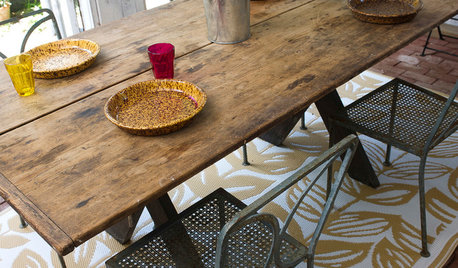
RUGSA Rug Can Make a Room — but What Kind to Choose?
The perfect rug may be all you need to complete your decor with color, texture and coziness. Here’s how to select the right type
Full Story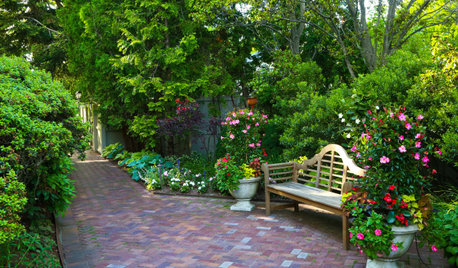
GARDENING GUIDES10 Steps to Making a Garden Your Own
Find out how to give your landscape your personal stamp while respecting what is there and not exceeding your budget
Full Story
HOLIDAYSMake Your Own Mini Advent Village
Make the run-up to Christmas extra special with a treat a day in each tiny paper Advent house
Full Story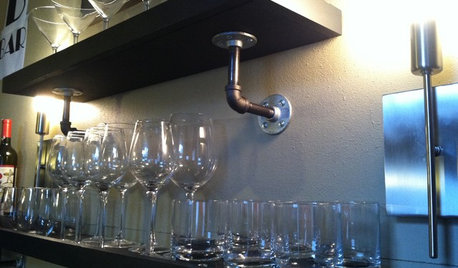
MORE ROOMSCool Shelves You Can Make With Stuff From the Garage
Idea of the Week: The guys behind The Garage Slab turn salvage wood and pipe into industrial-chic bar
Full Story
ART8 Ways Vermeer’s Work Can Make Its Mark in Your Home
Go Dutch with stained glass, Oriental rugs, checkered floors and delft tile
Full Story
GARDENING GUIDESHow the Little Act of Saving Seeds Can Make a Big Difference
This year, grow an heirloom variety in your garden, save the seeds and play a small part in preserving plant diversity
Full Story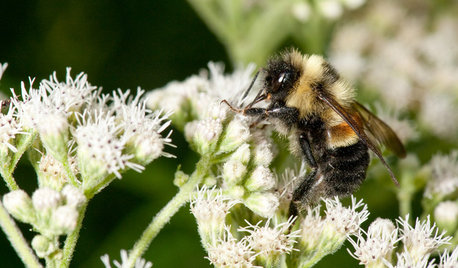
GARDENING GUIDESHow You Can Help the First Endangered U.S. Bee Species
The U.S. has acted to protect the rusty patched bumblebee, whose numbers have plunged. Here’s what you can do at home
Full Story
FEEL-GOOD HOMEMake Jam! And 7 More Ways to Make the Most of the Coming Weekend
Stay cool, enjoy some backyard games and get ready for the Fourth of July
Full Story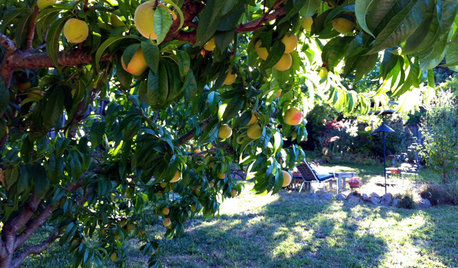
EDIBLE GARDENSHow to Grow Your Own Peaches and Nectarines
Make gardening a little sweeter with these juicy fruits, which you can eat after plucking or preserve for later
Full StorySponsored
More Discussions
gyr_falcon