

What is this plant?
7 years ago
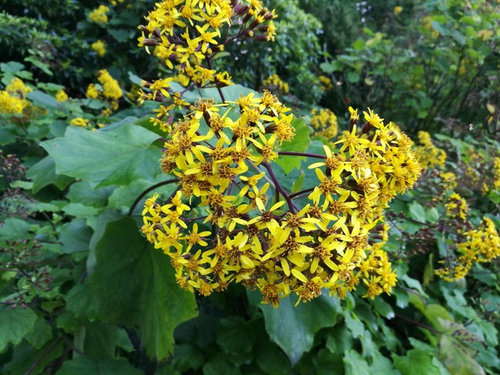
Featured Answer
Sort by:Oldest
Comments (11)
 7 years ago
Related Discussions
What kind of plant is this? Plant 1 of 3
Comments (5)It's likely that much of what we discuss relative to this plant will be applicable to others as well. I think the first thing I would do is inspect for insects, especially scale and spider mites. Once you determine whether or not the plant has a problem, and what the problem is if there is one, we can decide how to get the pests under control. Then, let's get the plant into the shower & wash all the dust off the leaves. Leaves are solar collectors that turn the sun's energy into food via the process of photosynthesis, so we want to eliminate dust on the leaves so they receive as much light as possible ..... but don't put the plant in direct sun just yet - the leaves might experience something called photo-oxidation, which is a fancy term for sun burn. Your plant is weak and can't afford to lose it's foliage just now because it would likely (literally) starve to death. Next on the list would be to get the plant to a very bright and warm spot - brightest and warmest w/o being in full sun is what you're looking for. At your convenience, lift the plant from the pot & inspect the roots. If the root and soil mass comes out of the pot intact, I'll give you some easy instructions insofar as how to treat the roots, and direct you to pot up a size as a temporary measure until you can do a full repot next summer. I'll help you flush the soil of accumulated salts, and suggest an appropriate fertilizer you can use to make sure the plant has the nutrients it need to grow and regain some vitality. Eventually (next summer), you'll prune the long stem back almost to the ground. The stub will back-bud profusely, and you'll soon be on your way to a healthy and attractive plant. Just a general comment - not a lecture to you: Plants, left to do what they do in a pot are doomed to a predictable decline that follows a common pattern, a pattern the cause of which a huge % of growers don't understand - easily more than 95%. Most of those who have been around GW for a while have an advantage, however, because how to maintain plants in good health over the long term is a commonly discussed topic across most of the forums. It takes specific efforts by the grower to ensure the plant doesn't follow the predictable pattern. It's sort of like the oil in your car. Even if you're completely unaware the oil needs changing regularly, not changing the oil is going to shorten engine life and cause premature problems. The same goes for neglecting a plant's root system and allowing it to be compromised by congestion and a soil that has collapsed. You can wax your car, use premium fuel, flush the radiator regularly ..... which would be akin to keeping the plant tidy, fertilizing regularly, and flushing the soil when you water, but if you neglect the engine or roots ..... You should find this link helpful. Al Here is a link that might be useful: Some interesting Scheff insight here, too ......See More1)What have you planted so far, 2) what will you plant this week?
Comments (46)I'd really been wondering when the redbuds would show that first blush of color and finally .... just in the last day or two, they are showing up along the roadsides. A deer visited a few days ago and snacked on some of my tulips :( but the ones that are left are beginning to bloom and they are beautiful! Phlox is now blooming and the hostas are growing fast. I'm now pretty sure that the tree that I thought might be a crabapple is just that, and it looks like another small tree is a redbud (yay). It's fun discovering what's growing here, now that the weather has finally decided to warm up. A neighbor said 12 wild turkeys were in our yard the other day, but we were at work so we missed seeing them. The street we live on is called Turkey Run Drive, so now we now how it got its name :). Oh, and one bit of good news .... they started the dirt work where the building will go, and when they stripped off the bermuda grass the land is mostly nice dirt, with only one little strip of red clay running through it. This may have once been farmland, or a pasture. So that's good news for the vegetable garden. Suzie...See MoreWhat to plant now, what to plant in the fall?
Comments (1)The advantages of planting most perennials, shrubs, and trees (in our zone) in early to mid fall is slight compared to planting them in early to mid spring. In colder climates, it's often best to wait until spring to plant. If you are planting a fast growing or top-heavy deciduous tree or shrub, fall might give the roots time to get more well established before the plant experiences wind that could push the tree, with a smaller root ball, over. Basically, plant at whichever time is more convient to YOU. If you plant them correctly and water them until they get established either time (in this climate zone) would work just great....See MorePlanting a tree next to driveway for SHADE. What should I plant?
Comments (16)Avoid the following trees because they have shallow roots that push up and crack paving: Norway, Sugar, Silver or Red Maple; Pin, Live or Willow Oak; American Elm; Ash; Beech; Sweetgum; Tulip Tree; Hackberry; Poplar; Cottonwood; Sycamore; Plane Tree; Willow; and River Birch. Tillia Cordata "Littleleaf" (Littleleaf Linden) is hardy to zone 3 and provides dense shade. This cultivar supposedly grows 30 to 50 ft. with a spread of up to 30 ft. Fragrant, creamy yellow flowers in drooping cymes appear in June. Honeydew and bird guano are a constant threat with parking under trees. That does not mean these problems will be overwhelming. Your first problem will be waiting for the tree to grow large enough to cast shade. Make note of where the sun rises and sets. It's much better to have shade in the afternoon when the temperature is highest....See More 7 years agolast modified: 7 years agoPicoAzores thanked gardengal48 (PNW Z8/9)
 7 years agolast modified: 7 years ago
- 7 years ago
 7 years ago
- 7 years ago
- 7 years ago
- 7 years ago
- 7 years ago

Related Stories
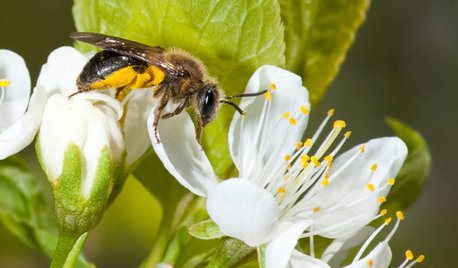
GARDENING GUIDESInvite Mining Bees to Your Garden by Planting Their Favorite Plants
Look for mining bees (Andrena) pollinating woodland wildflowers in U.S. gardens this spring
Full Story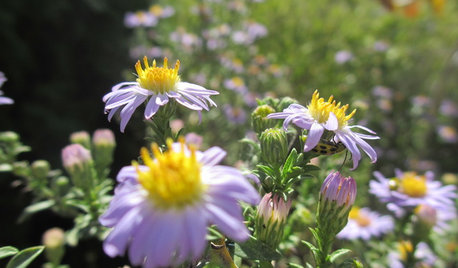
NATIVE PLANTSPlant These Fall-Flowering Natives in Early Summer for Pollinator Love
These 3 groups of plants will support masses of beneficial insects come autumn
Full Story
GARDENING GUIDESGreat Design Plant: Helianthus Maximiliani Attracts Beneficial Insects
Maximilian sunflower’s striking yellow flowers light up the fall landscape and attract pollinators and beneficial insects at a crucial time
Full Story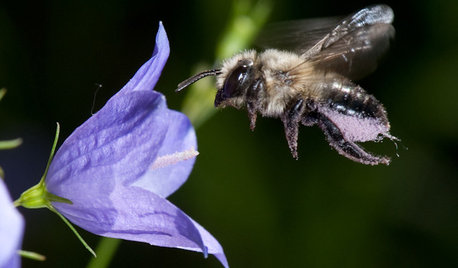
NATIVE PLANTSGreat Design Plant: Color Outside the Lines With Bluebell Bellflower
Plant this Campanula on pathway and patio edges for shots of bright blue from May through September
Full Story
GARDENING GUIDESGreat Design Plant: Slipper Plant
Unthirsty succulent looks great all year and offers an unexpected surprise in fall
Full Story
GARDENING GUIDESGreat Design Plant: Cephalanthus Occidentalis
Buttonbush is an adaptable woody shrub with delightful pincushion flowers
Full Story
GARDENING GUIDESGreat Design Plant: Paddle Plant
If you're looking for awesomely strange foliage and low care requirements, this succulent is right up your alley
Full Story
GARDENING GUIDESGreat Design Plant: Please Bumblebees by Planting Baptisia Lactea
Plant wild white indigo in central and southeastern U.S. gardens for its large white flower heads and early-spring interest
Full Story
HOUSEPLANTS8 Essentials for Healthy Indoor Plants
Houseplants add so much to our homes — and can thrive when grown in the right conditions. Keep these tips in mind
Full Story
GROUND COVERSNative Alternatives to English Ivy, Japanese Pachysandra and Periwinkle
These shade-loving ground covers are good for the environment and say something about where you are
Full Story

gardengal48 (PNW Z8/9)