

What natives are you growing in 2019 ×2
7 years ago
last modified: 7 years ago
Featured Answer
Sort by:Oldest
Comments (489)
- 7 years ago
Related Discussions
What native trees are you growing?
Comments (23)Here's a link to my favorite Florida nusery for natives: http://www.mailordernatives.com/servlet/StoreFront I cultivate Ilex opacas, vomitoria, vomitoria pendula, decidua (yellow berry;) oaks: live, overcap, white, turkey, bluff,and post; magnolias: virginia, macrophylla ssp. ashei,pyramidata, and grandiflora; Torreya taxifolia; native persimmon; cypress; cornus florida ('Gulf Coast' and 'Welch's Junior Miss' (both red flowered;) Chionanthus virginicus ;Sassafras Pines: longleaf, slash, sand, spruce; Maples: red, florida sugar; red and white buckeyes; shag and pignut hickories. There are others that escape my memory at the moment. Love natives that feed wildlife. Ilex opacas feed lots of buzzing bees in early spring; the buckeyes feed the hummingbird; oaks and hickories feed the three squirrels (grey, flying, and fox.)...See MoreAustralian pines removed- what’s native & fast growing replacement?
Comments (3)What type of privacy - eye level or taller? Put another way, are you looking for privacy from ground level or from the neighbor’s two story house or an apartment house that is several stories or just a sense of enclosure? What size and distance; for just a patio or a whole yard, and how much planting room do ypu have? Are you looking for shade or just privacy? Would you consider structures such as fencing or a pergola as part of the solution. or does it have to be only plants? You may find that annual or perennial vines planted for fast coverage along with slower growing shrubs and trees make more sense than fast growing woody plants that are often more prone to storm damage and have a shorter life span. The cliche that a picture is worth 1000 words applies. Can you take photos of the site, including some overviews and what you want privacy both for and from? And/or post your plot plan or a screen capture from Google satellite images? Without knowing more about the setting and goals, it is difficult to make suggestions that will solve the problem....See MoreFebruary 2019, Week 2, Planting Time Is So Close....And, Yet, So Far
Comments (60)Kim, Prayers for fast healing for you. Bon, Where would we be without our beloved OK Mesonet? It has all the most helpful info in so many different formats. I just love it. I'm glad Bill made it home in time to chop wood. Hopefully that wood will keep the stove fed and keep you all toasty warm. Maybe you coulda/woulda/shoulda been chopping wood, but we know that it wouldn't feed your soul the way that gardening does, so we totally get it. Your wind chill was bad and it was bad so much earlier than ours. The cold front didn't make it this far south until tonight, but we're plenty chilly now. Megan, If you need some time to just chill, then allow yourself to do that. I think when our bodies are telling us what it needs, we need to listen. With a three day weekend, you should have adequate time for chilling and seed starting. Enjoy your holiday weekend. dbarron, Maybe the cat and dog were just playing and neither is too much of a fraidy cat? I'm glad you got the car into the garage so you won't have to chisel ice off the windshield later. The plants don't seem as bothered by the cold as we do. I guess that's because they are out in it 24/7 and are somewhat better adapted to it perhaps. Rebecca, I hope the procedure went well and that you and your mom made it home just fine. Y'all, the models look like somebody is going to get some snow next week, but I do not necessarily think it will hit many of us unless something changes. We have an unexpected, last-minute bonus weekend with the older granddaughter this week as her dad is unavailable for his weekend with her. Well, his loss is our gain and we're going to enjoy having her here with us, though she might climb the walls a little bit without her little sis around to play with. Of course, we can do things we don't do when little sis is here, like maybe go to a more mature movie (something not G-rated) or to a restaurant that little sis doesn't like. Tomorrow will be just her day and she's already voiced her opinion on where we should eat lunch. : ) Before they called to see if she could come stay with us, I had thought I might do a little plant shopping or something tomorrow but I think instead we'll do something she'll enjoy. It still is pretty chilly to be buying plants, especially since the cold weather doesn't want to go away. I'm ready to do some gardening, but the weather isn't really right for it yet, especially with the persistently soggy soil. Dawn...See MoreAugust 2019, Week 2
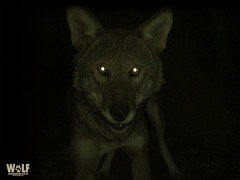
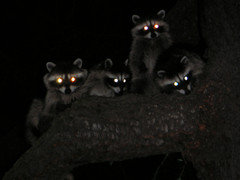
Comments (30)I'm working my way backwards from bottom to top today because my brain is tired and only wants to remember what it read most recently. In general, the reason you're seeing so many wasps, Nancy, probably is because we have had tons and tons of caterpillars all season, and the wasps feed on the cats. I have seen a lot of blue thread-waisted wasps carrying various caterpillars out of the garden this year. They take them back to their nests to feed their young, stashing them away, paralyzed, so that their young can feed on them. In years with significant fewer cats, we see significantly fewer wasps. Like everything else in nature, the level of the predator population rises and falls with the level of the prey population. Butterfly-lovers don't like seeing caterpillars carried away but it is the ecosystem and food web in action and I don't interfere with it. We always have a lot of bees here, perhaps because pesticide usage is fairly low out here in the sticks. There's plentiful butterflies pretty much every year, though it seemed like their numbers fell through the floor during the horrific drought of 2011. The population rebounded though when better weather conditions returned. We have had dogs that have chased the deer, but after Honey and Jersey ran off into the woods to do that once and became entrapped and surrounded by coyotes determined to engage them in battle, we stopped letting the dogs run freely and keep them confined to the fenced dog yard for their own safety now. I never want to hear the sounds of dogs and coyotes engaged in battle ever again, and I don't want to see our dogs with the hair/flesh pulled out of their hips by the attacking coyotes either. Our dogs suffered only mild plucking like that, but we've had friends whose dogs have come home with their rear haunches looking like raw hamburger meat. Y'all probably don't have coyotes in abundance there like we have them along the river here, so Titan probably isn't in the same danger if he runs off a bit. I enjoy seeing the possums, but not the coons because they will prey on chickens. I'm not crazy about seeing skunks either, especially in the daylight hours, but they're part of the ecosystem too. I don't mind seeing the foxes and bobcats as long as they aren't after our poultry. There's an endless array of wildlife to see here and I like that, but some days there's too much of it too close to our pets. It is crazy y'all still cannot use the boat, but that rain just keeps falling in parts of NE OK, and it has to run off somewhere. Our lake and river levels have been back to normal since probably June but the heavy rainfall stopped here long ago. Since so much of our river water comes from SW OK and they are in drought, there's not a lot of water flowing downstream now and huge sandbars continue to emerge from the river. It is not yet so dry that you can walk across the river without having to wade through some water, so there's still more water in the river this August than in most years. Some years I freeze summer squash. Of course, as with everything else, it changes the texture, but the squash still can be used in squash casserole, which is my favorite way to cook it (other than frying it, and we don't eat a lot of fried food any more). You can make squash pickles or squash relish though. Our school system in Marietta has dealt with the school supply issue by supplying all those school supplies for each child themselves these last few years. I think that is pretty wonderful even though I know they are making budgetary sacrifices elsewhere in order to be able to provide the supplies. Our community in Marietta has been really good about supporting bond elections to improve the schools since at least the early 2000s, so it seems like one building or another (or one athletic facility or another) always is in the process of being improved, built, replaced or whatever is appropriate in each given case. Thackerville has not had the same success, and saw bond elections fail for probably a solid decade before finally getting one to pass so they could build a new elementary school. Here there is a lot of support for the schools, but still the tax dollars can only be stretched so far. Larry, I have some family members who will not work either and it frustrates me because they are capable of working. Instead, they have learned every-which-way to work the system and get stuff free. I love them but this sort of behavior is not how my parents raised us and I don't care for it myself. When they plead poverty, I ignore them because I know they are capable of working and supporting themselves. If they want to have more cash to spend, they should work. I'd better shut up now before I say too much about them. They were taught how to work, they know how to work, but they'd rather not do it. Ooops. Gotta get off my soapbox. The deer were crazy yesterday. I cut up some cucumber and tossed them on the compost pile for them and they acted like it was Christmas. Then they stalked me the rest of the day every time I went outdoors, so I won't do that again for a while because I don't want them expecting such things every day. No wonder I never get much compost out of that back compost pile--the deer eat things before they can decompose. Some days the deer stand in our neighbors' woodland, right on the edge, and just watch me all day. I know they are wishing I'd leave the garden gate open so they could wander into the garden and eat. Well, I'm not going to do that, but sometimes they startle me because I'm not expecting to have one standing nearby, perhaps under a tree or two, staring at me. It gets sort of creepy after a while. Jennifer, We have watered so long and hard around all our concrete slabs, using soaker hoses, trying to prevent cracking in dry summers, but when all the land around you is cracking badly, you really cannot prevent it. It is very frustrating. I hope your slab in the coop doesn't crack too badly. Rain before September sounds great but I don't see anything in the long-range forecast that makes me think it is likely to happen. In some years when we let the chickens hatch their eggs, we'd get about 80% roosters. It doesn't make any sense to me, but it happens, and that is why we do not often let them hatch out eggs---we don't need more roosters! We've always let our babies run with the adults once they are about half-grown. The adults protect them and teach them to protect themselves from all the wild things. I've never seen bagworms here. I suspect they might be on cedar trees on our neighbors' place across the property line from my garden, but we've always done our best to cut down the cedars that appear on our property so we don't have to deal with bag worms. It seems odd they just popped up on your apple trees, but then so many things are odd this year. With regards to poverty, there's always going to be some people looking for a free ride---always has been, always will be. I have no pity for those who want the rest of society to support them, especially if they have high expectations and expect to be given fancy shoes, for example. There's a difference between true poverty that a family cannot overcome and choosing to be poor and dependent on others because one is lazy and shiftless and we all know that. I just hate seeing children being brought up that way---if a child is taught by example how to obtain housing vouchers, WIC, SNAP, free cell phones, food from the food bank to supplement what they get from WIC and SNAP, free school supplies at those big back-to-school events and free gifts at Christmas, then what are they being taught? They're being taught how to depend on others to give you things instead of being taught how to work, earn your living and be responsible for yourself. That is the part that is so unfortunate. To change society, we have to teach those children who grow up that way that there is a different way to live or the cycle perpetuates itself. To me, changing mindsets like that is the real challenge. To me, there's a difference between people who make a career out of being dependent on social programs and charities and people who temporarily fall on hard times and truly need help until they get back on their feet. I see it in my own extended family---and we have bailed out those kids once or twice but won't do it again because they won't work to support themselves. When I grew up we were taught you'd better get an education and be able to support yourself because "TANSTAAFL", i.e. There Ain't No Such Thing As A Free Lunch. It was just a given that people grow up and support themselves and their families. Nowadays the problem is that there is such a thing as a free lunch, and more, and it has given us a lot of people who expect a free ride. I'm grateful we had parents who taught us to work for what we want, though not all my siblings are willing to do that work. I could tell you stories....but I won't. Sigh...... The kids here started school yesterday so my FB feed was full of bright, shining faces in new school outfits carrying brand new backpacks. The kids seem excited to be back in school, and the parents are possibly even more excited to have them back in the normal routine again. Our own granddaughters looked pretty adorable. Lillie started 5th grade, which means middle school is next year. Oh wow. None of us are ready for that! Aurora started four-year-old pre-K and was so very excited. She wore an outfit we let her pick out herself when we took her school clothes shopping---thankfully she chose a skirt and a top that actually coordinated well with each other. (grin) We are going to have a good-bad weekend. At least one of the granddaughters is coming to spend the weekend, and we might have both. It depends on whether she goes to her dad's house as expected, which is iffy, because so often they don't even hear from him when it is supposed to be his weekend. So, if she doesn't go to his house, we'll have both of the girls. That's the good part of the weekend. The bad part is we're going down to Fort Worth tomorrow to finish cleaning out mom's stuff so we can list the house with a realtor. I think that the work itself won't be too hard---our niece already has bagged up and gotten rid a lot of the smaller, personal items like clothing and shoes, and we're going to sit there and equitably divide old photos and stuff. Then we'll load up various appliances and furniture items that will be going home with some of my siblings and nieces and nephews. We don't plan to bring back anything like furniture here as our house is fully furnished and so is Chris'. My brother, who is the executor of mom's estate, expects the house to sell pretty quickly---it is on a lot-and-a-half on a street corner directly across from the local park in a very family-friendly neighborhood and houses like that usually sell fairly fast in that neighborhood. So, the hardest thing about tomorrow is that it may be the last time we're all together at mom's house while it still is mom's house. This house has been in our family since the 1940s and it is hard to think of it no longer being ours. I need to get out to the garden to harvest and water, and I'm sure there's feral cats, deer and wild birds waiting for breakfast. Sometimes I wonder how the chickens ever gain any weight because they seem to share their daily hen scratch with everybody, including squirrels. Have a great day everyone. I think it is going to be another hot one. Dawn...See More- 7 years ago
- 7 years agolast modified: 7 years ago
- 7 years agolast modified: 7 years ago
- 7 years agolast modified: 7 years ago
- 7 years ago
- 7 years agolast modified: 7 years ago
- 7 years ago
- 7 years ago
 7 years agolast modified: 7 years ago
- 7 years agolast modified: 7 years ago
 7 years ago
- 7 years agolast modified: 7 years ago
- 7 years ago
- 7 years agolast modified: 7 years ago
- 7 years ago
- 7 years ago
- 7 years ago
- 7 years ago
- 7 years ago
- 7 years agolast modified: 7 years ago
- 7 years ago
- 7 years agolast modified: 7 years ago
- 7 years ago
- 7 years ago
- 7 years ago
- 7 years agolast modified: 7 years ago
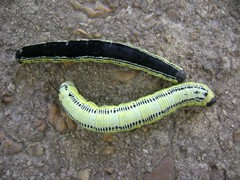
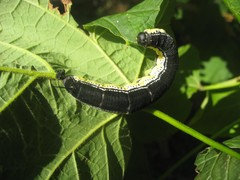
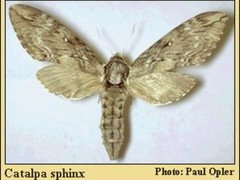
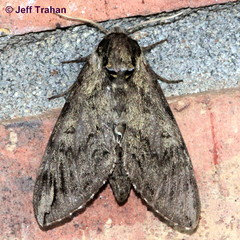
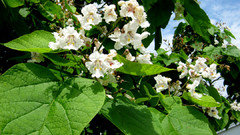
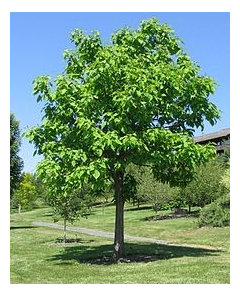
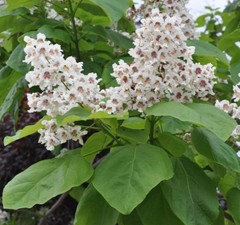
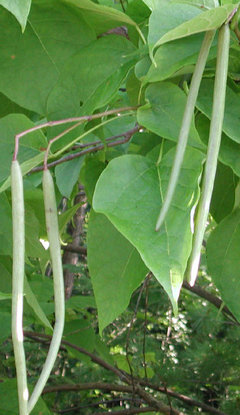











Related Stories
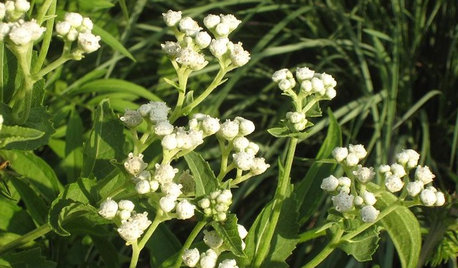
NATIVE PLANTSGreat Native Plant: Grow Wild Quinine for Its Unique Clusters of Blooms
Get connoisseur cred and unique blooms with this uncommon plant. Bonus assets: It’s low maintenance and drought tolerant
Full Story
GARDENING GUIDES15 Native Flowers That Feed Native Bees
These perennials offer superfood to hundreds of bees and are gorgeous in their own right
Full Story
GARDENING GUIDESGreat Design Plant: Grow Blueberries for Their Fruit and More
Eastern gardeners should consider growing blueberry plants for their delicious fruits, bee-friendly spring blooms and brilliant fall foliage
Full Story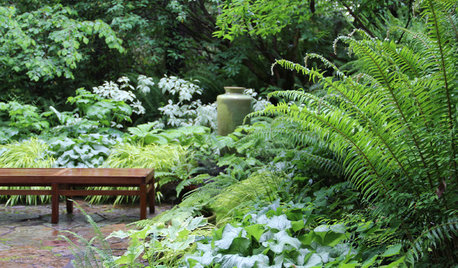
GARDENING GUIDES9 Top Native Plants for Beginning Gardeners
When you’re just starting out, choose easy-to-grow natives like these adapted to your area
Full Story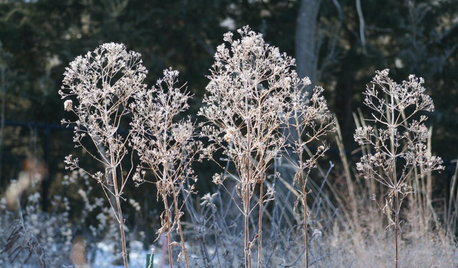
WINTER GARDENING10 Native Wildflowers to Beautify Your Winter Garden
They stand strong in wind, feed wildlife and are easy to grow. But you may want to add these plants for their looks alone
Full Story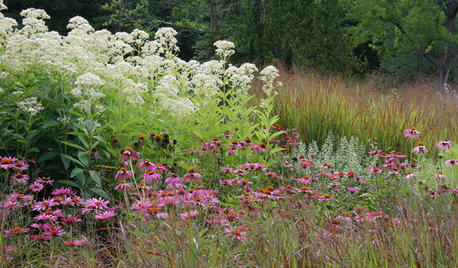
GARDENING GUIDESHow to Bring Native Plants Into an Established Garden
You don’t have to start over to grow a new garden
Full Story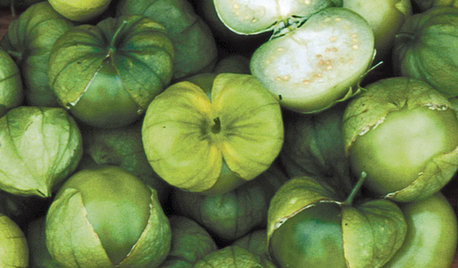
SUMMER FRUITS AND VEGETABLESSummer Crops: How to Grow Tomatillos
Grow this Mexican native for the freshest salsa verde — and for fewer problems than its tomato cousins
Full Story0
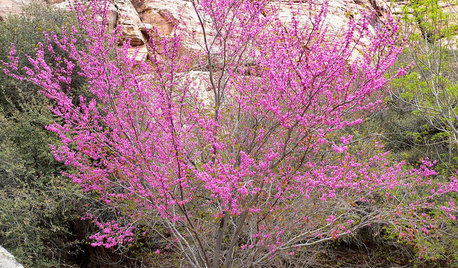
GARDENING GUIDES10 Top Native Plants for Northern California Gardens
Enjoy a fuss-free, water-wise garden by growing plants naturally in tune with the climate and wildlife of Northern California
Full Story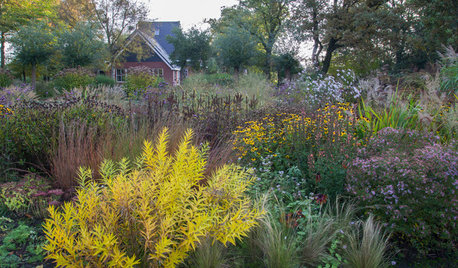
NATIVE PLANTSHow to Grow a Garden From Seed
Planting grasses and flowers from seed is economical, minimizes garden maintenance and benefits local wildlife
Full Story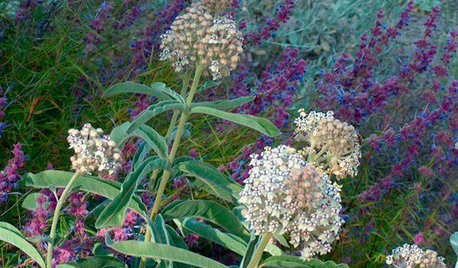
GARDENING GUIDES10 Top Native Plants for Southern California Gardens
Enjoy a fuss-free, water-wise garden by growing plants naturally in tune with the climate and wildlife of Southern California
Full Story
More Discussions
Iris S (SC, Zone 7b)