

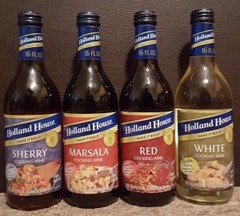
SO where's my cooking wine ....
8 years ago
Featured Answer
Sort by:Oldest
Comments (47)
Related Discussions
Cooking wine
Comments (12)I definitely enjoy drinking dry white wine--never really developed an appreciation of red. I also love Manhattans on the rocks, gin and tonic, and Tom Collins. However, as I grow older I react to all alcohol with a bright red nose and cheeks, very watery eyes and can barely stay awake after one drink. I choose not to drink with others because I look so terrible and I drink alone only if something horrible has happened and I desperately want/need to dull my senses. I didn't even drink after the deaths of two of my Siberian huskies last year. I am looking for a wine to add a little "something" to a recipe. Cooked wine doesn't cause any reaction for me--guess I kill all the alcohol during cooking. That's great because I love Bacardi or Southern Comfort cake. Nancy...See MoreDry red wine for cooking?
Comments (13)BEEF, BURGUNDY STYLE Servings: 4 Ingredients 1 cup beef broth 3 tablespoons all-purpose flour 1 tablespoon tomato paste 1 teaspoon beef demi-glace 3 tablespoons bacon drippings 2 pounds beef round, cut into 3 inch pieces 3 tablespoons sherry wine 1 1/2 cups chopped onions 1 cup Burgundy wine Herb Bouquet (Bouquet Garni) 3 sprigs fresh parsley 3 sprigs fresh rosemary 1 sprig fresh thyme 1 bay leaf 12 fresh mushrooms, sliced 1/4 cup butter 1 tablespoon chopped fresh parsley, for garnish Directions In a small bowl, mix together beef broth, flour, tomato paste and demi glace; set aside. Heat bacon drippings in a large heavy skillet over medium heat. Add beef, and cook until brown on all sides. Remove beef from skillet; set aside. Stir the sherry wine into the skillet. Add the onions, and cook about 5 minutes. Blend in the tomato paste mixture, and bring to a rapid boil, stirring constantly. Stir in Burgundy wine. Make the herb bouquet: Place parsley, rosemary, thyme, and bay leaf in a square of cheesecloth. Place herb bouquet in sauce. Return beef to skillet. Cover, and simmer over low heat for about 3 hours, or until beef is tender. Melt butter in a small skillet over medium heat. Sautmushrooms until lightly browned. Add to meat in the skillet, and continue cooking 15 minutes. Discard bouquet garni. Serve in a casserole dish, sprinkled with parsley. BEEF BURGUNDY CASSEROLE Servings: 9 Ingredients 2 pounds beef roast, cut into cubes 1/2 (1 ounce) package herb and lemon soup mix 1 cube beef bouillon 1/2 cup chopped onion 1 (10.75 ounce) can condensed cream of mushroom soup 1 (4.5 ounce) can mushrooms, drained 1/2 cup Burgundy wine 4 cups cooked egg noodles Directions Preheat oven to 325 degrees F (165 degrees C). In a large bowl combine the beef, dry soup mix, bouillon, onion and soup. Mix all together and pour mixture into a lightly greased 9x13 inch baking dish. Cover and bake in the preheated oven for 4 hours. Add mushrooms and wine and bake for another 10 minutes. Add cooked egg noodles and mix all together. Serve with fresh bread and a green salad, if desired. BLUE CHEESE CRUSTED FILET MIGNON WITH PORT WINE SAUCE Servings: 4 Ingredients 1 tablespoon butter 1/2 cup minced white onion 3 cloves garlic, minced 1 tablespoon chopped fresh thyme 3/4 cup low-sodium beef broth 1/2 cup port wine 1 tablespoon vegetable oil 4 filet mignon steaks (1 1/2 inch thick) 3/4 cup crumbled blue cheese 1/4 cup panko bread crumbs Directions Melt butter in a skillet over medium heat. Add the onion, garlic and thyme. Cook, stirring constantly, until onion is tender. Stir in the beef broth, scraping any onion bits from the bottom of the pan, then stir in the port wine. Bring to a boil, and cook until the mixture has reduced to about 1/2 cup. Set aside. This may also be made ahead of time, and reheated. Preheat the oven to 350 degrees F (175 degrees C). Heat oil in a cast-iron or other oven-safe skillet over high heat. Sear steaks quickly on both sides until brown, then place the whole pan into the oven. Roast steaks in the oven for about 15 minutes for medium rare - with an internal temperature of 145 degrees F (63 degrees C). You may adjust this time to allow the steaks to finish just below your desired degree of doneness if medium is not what you prefer. Remove from the oven, and place on a baking sheet. Stir together the panko crumbs and blue cheese. Top each steak with a layer of this mixture. Preheat the oven's broiler. Place steaks under the preheated broiler until the cheese topping is browned and bubbly. 3 to 4 minutes. Remove from the oven, and let stand for at least 15 minutes before serving. Serve with warm port wine sauce. EASY COQ AU VIN Servings: 4 Ingredients 4 skinless, boneless chicken breast halves 2 cups small whole fresh mushrooms 1 cup thinly sliced carrots 1 cup Burgundy wine 16 pearl onions, peeled 1 tablespoon bacon bits 1 tablespoon chopped fresh parsley 2 cloves garlic, minced 3/4 teaspoon dried marjoram, crushed 3/4 teaspoon dried thyme, crushed 1/2 teaspoon chicken bouillon granules 1/8 teaspoon ground black pepper 1 bay leaf 1 1/2 cups cold water 1/8 cup all-purpose flour Directions Spray a large non-stick skillet with cooking spray. Sauté chicken over medium heat for about 15 minutes, or until lightly browned on both sides. Add the mushrooms, carrot, wine, onions, bacon bits, parsley, garlic, marjoram, thyme, bouillon, pepper and bay leaf. Bring to a boil, reduce heat to low; cover and simmer for 25 minutes, or until chicken is cooked through and no longer pink inside. Using a slotted spoon, transfer chicken, mushrooms, carrot, and onions to a platter, discarding bay leaf; cover to keep warm and set aside. In a small bowl combine flour and water and whisk together. Stir mixture into skillet and cook until thick and bubbly, 5 to 10 minutes. Cook and stir 1 minute more and pour mixture over chicken and veggies. Serve warm. BRAISED LAMB WITH CANNELLINI BEANS Serves 8 4 Tbs. extra-virgin olive oil 8 lamb shanks, each 1/2 to 3/4 lb. 1 medium yellow onion, finely diced 2 stalks celery, finely diced 3 large carrots, peeled and finely diced 12 cloves garlic, thinly sliced 3 cups dry white wine 2 cups chicken broth 2 cups peeled, seeded and chopped tomatoes (fresh or canned) 3 Tbs tomato paste 4 sprigs fresh thyme 2 whole bay leaves Salt and freshly ground pepper, to taste 4 cups canned/cooked cannellini beans Directions In a large roasting pan on the stovetop over medium-high heat, warm the olive oil. Add the lamb shanks and brown on all sides, 10 to 12 minutes. Transfer the shanks to a plate. Add the onion, celery and carrots to the pan and sauté over medium heat, stirring occasionally, until the onion is soft, about 10 minutes. Add the garlic and cook, stirring, for 1 minute. Add the wine, broth, tomatoes, tomato paste, thyme, bay leaf and lamb shanks. Bring to a boil over high heat. Reduce the heat to low, cover and slow-roast in the oven at 375° until the shanks can be easily pierced with a skewer, about 2 to 3 hours. Add the beans, stir well, cover and continue to cook until the lamb begins to fall from the bone and the beans are tender, about 30 to 60 minutes more. Season with salt and pepper. Remove and discard the bay leaf. On each plate, create a bed of beans and sauce and place the shank on top. WHITE WINE-LEMON GRANITA Serves 8 1 cup water 2 cups white dessert wine (or any white wine or champagne, especially pink champagne) 1 cups sugar zest of 2/3 lemon, grated 1/3 cup lemon juice 8 small sprigs lemon basil (or mint) In a 2-quart pot, combine all the ingredients except the basil. Cook over medium heat until the sugar is dissolved, stirring. Pour into a shallow container; freeze 6 to 12 hours, or until frozen. Remove from the freezer and rake with a fork to form a crystalline crumble. Scrape into another container and refreeze until needed. COQ AU VIN ALLA ITALIANA Servings: 8 Ingredients 4 pounds dark meat chicken pieces 1 tablespoon vegetable oil 5 cloves crushed garlic 1/2 cup all-purpose flour 1 teaspoon poultry seasoning 3 (4 ounce) links sweet Italian sausage, sliced 1 cup chopped onion 3 carrots, sliced 1/2 pound fresh mushrooms, sliced 1/2 teaspoon dried rosemary 1 cup red wine 1 (14.5 ounce) can whole peeled tomatoes salt and pepper to taste Directions In a large skillet, heat oil. Add 1/2 of the garlic. Season flour with poultry seasoning. Dredge chicken parts in flour, then brown in the skillet for 4 or 5 minutes. Add the sausage and sauté for a few minutes. Add the onion, carrots, mushrooms, rosemary and the remaining garlic. Stir all together. Add the wine and tomatoes; stir. Cover and let simmer over low heat for 25 minutes. Season with salt and pepper to taste and let simmer for another 10 minutes. Let cool covered for 10 minutes, and then serve. CAJUN SHRIMP ORECCHIETTE Servings: 6 Ingredients 2 cups uncooked orecchiette pasta 1/3 cup butter 1/2 cup chopped shallots 3 cloves garlic, chopped 1/4 cup chopped green onion 1 1/2 teaspoons Cajun seasoning, or to taste 1 teaspoon cracked black pepper 1 cup white wine 1 cup diced plum tomatoes 1 pound medium shrimp - peeled and de-veined 1 cup baby spinach Directions Bring a large pot of lightly salted water to a boil. Add orecchiette pasta, and cook for 9 to 11 minutes, until almost al dente; drain. Melt butter in a medium skillet over medium heat. Stir in shallots, garlic, and green onion. Season with Cajun seasoning and pepper, and cook about 2 minutes. Mix in wine, tomatoes, and shrimp. Continue to cook and stir until shrimp are opaque. Mix in the pasta and spinach, cover, and simmer 3 to 5 minutes, until pasta is al dente and spinach has wilted. LAMB STEW Ingredients: 4 lamb shanks 2 tablespoons oil 1/4 tsp. ground pepper 1 large onion, chopped 3 garlic cloves, minced 16 ounces whole canned tomatoes 1/2 cup beef broth 1/2 cup dry red wine 2 teaspoons dried rosemary, crushed 2 carrots 2 celery stalks 1/2 cup orzo, or rice, uncooked 4 teaspoons fresh lemon juice 3/4 teaspoon salt 2 tablespoons parsley, chopped Directions: Brown lamb shanks in oil in Dutch oven. Remove shanks and season with pepper. Cook onion and garlic in same pan for about 5 minutes. Pour off drippings. Return shanks to pan. Break up tomatoes; reserve. Add tomato liquid, broth, wine and rosemary to pan. Cover tightly and simmer 1-1/2 hours or until meat is tender. Remove shanks; cut meat from bones into small pieces. Skim fat from surface. Meanwhile cut carrots and celery into strips. Add vegetables and orzo. Simmer, uncovered, 20 minutes or until vegetables are tender, adding water if necessary. Add lamb, tomatoes, lemon juice, and salt; heat through. Garnish with parsley. GARLIC MOSTACCIOLI Ingredients: 2 tablespoons olive oil 1 pound extra lean ground beef 1/4 cup chopped celery 1/4 cup carrots, diced 1/4 cup onions, chopped 4 fresh garlic cloves, minced 1/2 pound mushrooms, sliced 29 ounces Italian canned tomatoes, squashed 6 ounces tomato paste 1/2 cup dry red wine 1 teaspoon dried basil 1 teaspoon oregano 1 pound mostaccioli, rigatoni, or spaghetti Grated Parmesan cheese Directions: Heat oil in large skillet and add beef, carrots, celery, onion and garlic. Cook until beef is browned. Add mushrooms and cook until wilted. Add all other ingredients except pasta and cheese. Stir, crushing tomatoes even more with a wooden spoon. Simmer over low heat for half an hour, stirring occasionally. Cook mostaccioli according to package directions. Serve pasta topped with sauce. Pass Parmesan cheese separately. VEAL WITH WHITE WINE Ingredients: 1 lb. veal cutlets, lightly pounded & cut into 1" strips 1 teaspoon dried basil or 1/4 cup fresh, minced and patted dry 1/4 teaspoon salt 1/8 teaspoon crushed red pepper flakes 1 tablespoon olive oil 1/2 cup bell peppers, cut into short thin strips 1/2 cup chopped onions 1 1/2 teaspoons cornstarch 1/3 cup dry white wine Directions: Stir together basil, salt, crushed red pepper, and olive oil. Heat 1 teaspoon oil mixture in nonstick skillet over medium-high heat. Stir-fry bell pepper strips and onion for about 3 minutes. Remove from skillet and reserve. Stir-fry veal strips in remaining oil mixture, half at a time, over medium-high heat just until cooked through. Remove from skillet and reserve. Stir cornstarch into wine and add to skillet. Cook over high heat about 30 seconds, until thickened. Return veal and vegetables to skillet; heat through. Serve over pasta or rice. SEAFOOD STEW Ingredients: 1 onions, chopped 2 garlic cloves, roughly chopped 1/4 cup olive oil 2 cups dry white wine, 1 tablespoon grated orange peel 1 1/2 cups orange juice 1 tablespoon sugar 1 tablespoon fresh coriander, minced 1/4 cup fresh basil leaves, minced 1 teaspoon salt 1/2 teaspoon pepper 1/2 teaspoon dried oregano 28 ounces Italian plum tomatoes, mooshed up, juice and all 24 scrubbed small clams (optional) 1 1/2 pounds raw shrimp, shelled and de-veined 1 pound fish (firm fleshed i.e. bass, snapper, cod), chunked 6 ounces frozen crab meat, defrosted, drained and cleaned Directions: Cook onion and garlic in oil in 6-quart Dutch oven until onion is tender. Stir in remaining ingredients except seafood. Heat to boiling; reduce heat. Simmer uncovered for 15 minutes. Add clams; cover and simmer until clams open, 5 to 10 minutes. (Discard any clams that have not opened.) Carefully stir in shrimp, fish and crabmeat. Heat to boiling; reduce heat. Cover and simmer until shrimp are pink and fish flakes easily with fork, 4 to 5 minutes. CHICKEN DIJON Ingredients: 6 skinless boneless chicken breasts 1 cup Dijon mustard 2/3 cup chopped green onions 2/3 cup chopped oyster mushrooms 3 tablespoons butter 3 cloves minced garlic 1/3 cup white wine 1/4 cup Worcestershire sauce Directions: Melt butter in sauté pan; blanch garlic in melted butter until translucent; add green onion, mushrooms, and Worcestershire. Spread mustard onto chicken breasts and add to sauté pan; add 1/2 of the white wine, cook for 10 - 15 minutes. Turn chicken, add remaining white wine, cover and cook another 10 minutes. RISOTTO ROSSO WITH SAGE Serves 6 2 tablespoons olive oil 1/4 cup minced onion 2 teaspoons minced garlic 1-1/2 cups Arborio rice 1/2 cup red wine 3 cups boiling chicken stock 1/4 cup grated Parmesan cheese 2 tablespoons butter 1 tablespoon chopped fresh sage salt and pepper to taste Directions Heat the oil in a heavy bottomed saucepan over medium heat. When just smoking hot, add the onion and garlic. Sauté until just soft, about 5 minutes. Add the rice and sauté with the onions and garlic until the rice begins to take on a golden or toasty color. Deglaze the pan with the red wine. Allow the wine to reduce until just dry, stirring frequently. Add 1 cup of the chicken stock and allow to simmer (reduce the heat if necessary). Stir frequently and add another cup of stock when the first one is absorbed. Repeat until all the stock is used. After the last addition of stock, be careful not to allow the liquid to absorb completely. As the rice starts to thicken, taste to see it is just al dente and adjust the seasoning. Add the cheese and butter, stirring constantly. When the rice is "bound", remove from heat and fold in the sage. Place on a serving platter. This is excellent with roasted game hens, roast pork, duck and even beef. RED SNAPPER CIOPPINO Serves 4 Ingredients 2 tablespoon olive oil 1 small red onion, julienned 1 small fennel bulb, julienned 1 teaspoon minced garlic 1/2 cup white wine 1/2 cup fish stock (or bottled clam broth) 1 cup crushed tomatoes 1 teaspoon crushed chile flakes 1 bay leaf 1 small zucchini, cut into thin strips salt and pepper 4 red snapper fillets, 4 oz each greens from tops of fennel bulbs Directions Heat a sauté pan over medium heat. Add the oil, then the onion, fennel and garlic. Sauté until just begins to wilt and get brown. Add white wine, and allow to boil for about 1 minute to burn off the alcohol. Add the fish stock, tomatoes, chiles and bay leaf. Allow to return to a boil. Trim the stem and blossom ends of the zucchini. Cut thin strips (from blossom to stem) to resemble very wide fettuccini. Add to boiling sauce. Season fillets with salt and pepper. Lay on top of sauce and cover. Steam for 5-7 minutes depending on thickness of fish. Place fillets in shallow bowl, dividing the sauce between the bowls. Garnish with fennel fronds. Makes four appetizer servings. This can be done with any firm white fish (cod, bass, even marlin or swordfish). You can also serve this over a rice pilaf, cous cous or pasta as a main course. GINGER ORANGE SCALLOPS WITH WHITE WINE RECIPE Ingredients 1 lb scallops 1/4 cup orange juice 1/4 cup white wine 1 1/2 tsp ground ginger 1 tsp soy sauce 3 tbsp butter Directions Mix orange juice, wine, ginger, and soy sauce in a small bowl and blend well. Melt butter in large skillet, add scallops and cook, stirring frequently, until scallops are opaque (2-3 minutes). Remove and place on serving platter. Add orange juice mixture to the pan and bring to boil. Cook, whisking, until sauce is slightly reduced (1-2 minutes). Return scallops to the pan and cook for around 1 minute. BASIC SANGRIA RECIPE Makes 4 glasses Ingredients 3 ¼ cups dry red wine 1 tablespoon sugar Juice of 1 large orange Juice of 1 large lemon 1 large orange, sliced thin crosswise 1 large lemon, sliced thin crosswise 2 medium peaches, peeled, pitted and cut into chunks 1 cup club soda Directions Combine all the ingredients except for the club soda in a large punch bowl or serving pitcher, mixing well. Refrigerate overnight. Immediately before serving, mix in the club soda for added fizz. Ladle into cups with ice cubes. WHITE SANGRIA Makes 8 glasses Ingredients Apple juice, for ice cubes 1 ¼ cups water 1 small bunch fresh mint ½ cup sugar 3 sticks cinnamon 3 ¼ cups dry white wine 2 medium peaches, peeled, pitted and sliced 2 small pears, cut into chunks 2 medium oranges, sliced crosswise 2 small lemons, sliced crosswise 3 cups sparkling apple cider Mint leaves, to garnish (optional) Directions To make the apple juice ice cubes, pour the apple juice into two ice trays and freeze until the sangrÃa is ready to serve. Combine the water, mint leaves, sugar, and cinnamon in a small saucepan, and bring to a boil over medium heat. Reduce the heat and simmer for several minutes. Remove from the heat and allow to cool. Once the mixture has cooled to room temperature, remove and discard the mint and cinnamon sticks. Transfer the remaining mixture to a large serving bowl. Add the wine, peaches, pears, and the orange and lemon slices to the serving bowl. Mix well, and refrigerate overnight. Immediately before serving, mix in the sparkling apple cider and the apple juice ice cubes. Garnish with fresh mint leaves, if desired. PEACH AND ORANGE SANGRIA Makes 6 glasses Ingredients 3 ¼ cups dry white wine 1/3 cup sugar 1/3 cup Triple Sec 1/3 cup peach-flavored brandy 2 medium peaches, peeled and sliced 2 medium oranges, sliced thin and crosswise 1 cup sparkling orange soda 1 cup ginger ale Directions In a large serving bowl, combine all the ingredients except the orange soda and ginger ale and mix well. Refrigerate overnight. Immediately before serving, mix in the orange soda and ginger ale. Serve over Ice. * Lemons and cherries may be added too, for an additional splash of color. FRUITY SANGRIA Makes 18 glasses Ingredients 8 cups dry red wine 8 cups apple juice 1 small grapefruit, cut into eights 1 medium orange, sliced thin crosswise 1 medium lemon, sliced thin crosswise , seeded 1 small pear, diced 1 medium apple, diced Directions Combine the wine, apple juice, and grapefruit pieces in a large pitcher. Mix well, cover and refrigerate overnight. The following day, add the orange and lemon slices to the wine. Refrigerate for a further 3 hours. Add the pear and apple to the mixture, then allow to stand for a further 1 hour to absorb the flavor fully. Mix well and serve over ice. BRASATO AL CHIANTI (Italian beef braised in red wine) Yield: 4-6 servings INGREDIENTS ¼ cup Olive oil 2 pounds Beef rump roast 2 medium Onions chopped 2 medium Carrots peeled, chopped 1 cup Mushrooms sliced 1-2 cloves garlic, thinly sliced 2 cups Chianti wine 1 ½ cup Stock or water 2 Tbs Parsley, fresh, minced 1 Tbs Oregano, fresh or 1 tsp dried, minced 2 sprigs, or 1 teaspoon Rosemary, fresh or dried, minced 1 whole Bay leaf Salt & pepper to taste Directions Heat the oil in a large pot over medium-high flame. Sear the meat to brown on all sides and remove it to a plate. Turn the heat to medium-low and sauté the onions, carrots, mushrooms and garlic in the same oil until the onions are translucent and beginning to brown. Return meat to pot and add the rest of ingredients. Bring to a boil and reduce the heat to low so liquid is just simmering. Cover and simmer for 2-3 hours. Add water if necessary to maintain liquid so it covers about half of the beef. Remove meat to a cutting board, cover loosely with foil and let it rest for about 10-15 minutes. Then slice it, place on a platter and keep warm. Strain the liquid in the pot through a colander. Remove any sprigs of herbs and puree vegetables in a food mill, blender or food processor. Stir the pureed vegetables back into the strained liquid, adjust seasoning and serve as a sauce to accompany the beef. Variations Brasato al Barolo: For the Piedmont version of this dish, substitute a barolo wine. If you don't have a chianti on hand, a sangiovese, or any light-bodied red wine can be substituted. If you like, you can marinate the meat ahead of time for better flavor. Simply mix all the ingredients together in a bowl and refrigerate for 8-24 hours. Remove and dry off the meat before searing. Don't try to sauté the vegetables. Once you have seared the meat, simply pour the other ingredients in the pot with it and resume the recipe. If you like a lighter sauce, you can strain out and discard the vegetables. Then either reduce the sauce by half by boiling down, or lightly thicken the sauce with a cornstarch slurry and season to taste CHIANTI-BRAISED STUFFED CHICKEN THIGHS ON EGG NOODLES Servings: Makes 6 to 8 servings. Ingredients 4 ounces (about 1 link) sweet Italian sausage, casing removed, meat crumbled 1/2 cup fresh breadcrumbs from crustless day-old French bread 1/2 cup freshly grated Parmesan cheese (about 1 1/2 ounces) 1 large shallot, minced 1 large egg 2 tablespoons chopped fresh parsley 2 teaspoons chopped fresh thyme 1/2 teaspoon salt 1/4 teaspoon ground black pepper 8 large skinless boneless chicken thighs (about 2 1/2 pounds total) 2 tablespoons olive oil 1/4 cup chopped pancetta or bacon 3/4 cup finely chopped onion 6 garlic cloves, minced 1 750-ml bottle Chianti or other dry red wine 3 cups canned low-salt chicken broth 2 cups canned crushed tomatoes in puree 1 bay leaf 1 teaspoon dried basil 1 pound egg noodles Directions Mix first 9 ingredients in medium bowl. Place 1 chicken thigh on work surface. Fill area where bone was removed with 2 tablespoons stuffing. Wrap chicken thigh around filling and tie with kitchen string to hold together. Repeat with remaining chicken thighs and stuffing. Sprinkle generously with salt and pepper. Heat olive oil in heavy large skillet over medium-high heat. Add pancetta; sauté until light brown and fat is rendered, about 5 minutes. Transfer pancetta to paper towels to drain. Add chicken to drippings in skillet; cook until golden on all sides, about 10 minutes. Transfer to plate. Add onion and garlic to skillet; sauté until tender, about 10 minutes. Return pancetta to skillet. Add wine; boil until mixture is reduced to 2 cups, about 12 minutes. Add broth, tomatoes, bay leaf, basil, and chicken thighs; bring to boil. Reduce heat; simmer uncovered until chicken is cooked through, about 35 minutes. (Can be made 1 day ahead. Cool slightly. Chill until cold, then cover and keep chilled. Rewarm over medium heat before continuing.) Transfer chicken to bowl; cover to keep warm. Simmer sauce in skillet until slightly thickened and reduced to 4 cups, about 10 minutes. Season with salt and pepper. Meanwhile, cook noodles in large pot of boiling salted water until just tender but still firm to bite. Drain. Transfer noodles to large platter. Top with chicken and sauce and serve. STRACOTTO AL CHIANTI TOSCANO Tuscan Chianti Beef Stew Ingredients: 2 lbs Beef Stew meat cut into 1" cubes Flour (to coat meat) 1 bottle 750 ml Chianti 1 cups beef broth 1 stick (114 g) Butter 2 tbs. Olive Oil 1 finely chopped large Onion 1 medium finely chopped Carrot 2 tbs. Raisins 2 tbs. Finely chopped Almonds 10 peppercorns 2 tbs. Finely chopped Pine nuts (Pinoli) 2 tbs. chopped Italian Parsley 1 clove crushed Garlic Salt to taste Directions In a heavy pot clarify the butter over high heat. Place the flour on a plate. Cut the meat into 1 inch cubes and coat the cubes in flour. Set the cubes aside on a baking pan. Add the onion and carrots. Sauté the carrots and onion for about 2 minutes. Add the olive oil to the pot. Sear the meat cubes in the hot butter. Do not over fill the pot. Place only the meat cubes to fill the bottom of the pot. Stir them once or twice to sear all sides. Remove the seared cubes, place them on the baking pan and continue with other cubes until all the cubes have been seared. Once all of the cubes have been seared and removed from the pot add about a cup of wine to deglaze the pot. Reduce the heat to medium-high. Add the remaining ingredients and another cup of wine. Reduce the sauce for about 4 minutes. Add the meat back into the sauce and cover with the remaining wine and broth. Once the liquid begins to boil, reduce the heat to low (simmer only) and cover. Cook for 2 ½ hours, stirring every 20 minutes. Remove the cover, turn the heat to medium low and cook for the remaining 30 minutes to reduce the sauce. Serve over white rice, Parmesan Risotto, gnocchi or fresh pasta. Joe...See MoreCooking wine safe for kids?
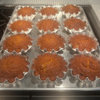
Comments (44)My daughters spent part of their childhood here in Spain where it was often customary to give the children a few drops of wine in a glass when it was being poured for the adults at the table. But it was diluted for them with a good squirt of the ever-present mesh-covered squirt bottle of carbonated water that graced most tables during that time. It was used for diluting drinks or drinking straight and was useful for moistening a napkin to mop off any food spills on your clothing while you dined LOL. If you see old photos of Europeans dining in restaurants or even at home pre-1970s you will often see the familiar mesh-covered sifon bottle on the table. I always had one on my dinner table. We would take the empty bottles back to the corner store and for a peseta or two (think cents) get a full bottle in return. (Now does that make me sound old!) This is one way I have made salmon and it was good. I'm accustomed to cooking with wine and wouldn't worry about serving this to children...but you could just give a small amount of the sauce if you were concerned. Here's how it looked when I made it: - Makes 4 servings. 1 teaspoon salt 1 teaspoon dry mustard 1 teaspoon dried thyme 1/2 teaspoon ground black pepper 4 (6-ounce) salmon steaks or fillets 2 teaspoons honey 3 teaspoons olive oil, divided 8 cups spinach leaves 1/2 teaspoon minced peeled garlic 2 cups red seedless grapes, halved 1/2 cup dry red wine Combine salt, mustard, thyme and pepper; mix well. Rub salmon fillets with honey and sprinkle with half the seasoning mixture. Heat 2 teaspoons of olive oil in a nonstick skillet. brown both sides of salmon fillets. Toss spinach and garlic with remaining 1 teaspoon oil in a 13x9x2-inch baking dish. Place salmon on spinach, cover loosely with aluminum foil and bake at 300°F for 10 minutes. Sauté grapes in skillet used to brown salmon. Add wine bring to a boil, season to taste with remaining seasoning mixture; reduce by half. Serve salmon on spinach; top with grape sauce. Served on a bed of spinach and spiced with garlic, thyme and mustard. Recipe Source: California Table Grape Commission. SharonCb...See Morecooking wines (list style)
Comments (37)No "jessyf", you guys haven't scared me off. Yes, I am well aware that most red wines go with red meats, and most white wines go with white meats/fish/seafood. Yeah, I'm still new to cooking with wines, but most of the ones I've tried out so far have been really awful, with an exception of a few. Sure, I might have my own tastes, but hopefully this will help narrow it down a little bit... 1) Looking for a dry / sweet red wine which won't be too tannic/sour when reduced into a sauce for a red meat dish. Specifically Italian/French RED wines... 2) Looking for a more full body/flavored WHITE wine. I've been using only Riesling so far (because it works well). I mainly do chicken dishes, and rarely any SEAFOOD, because family members are allergic to those things. 3) I am NOT looking for a white wine for FISH, other than Salmon. I have a different way of cooking fish, and various kinds (ocean fish only)....See More 8 years ago
- 8 years ago
 8 years ago
 8 years ago
 8 years agolast modified: 8 years ago
- 8 years agolast modified: 8 years ago
 PRO8 years agolast modified: 8 years ago
- 8 years ago
 8 years ago
- PRO8 years ago
- 8 years agolast modified: 8 years ago
 8 years ago
 8 years ago
- 8 years ago
 8 years ago
- 8 years ago
- 8 years agolast modified: 8 years ago
- 8 years ago
- 8 years ago
- 8 years ago
- PRO8 years ago
- 8 years ago
- 8 years ago
- 8 years ago
- 8 years ago
- 8 years ago
- 8 years ago
- 8 years agolast modified: 8 years ago
- 8 years agolast modified: 8 years ago
- 8 years agolast modified: 8 years ago
- 8 years ago
- 8 years ago
- 8 years agolast modified: 8 years ago
 8 years ago
 PRO8 years ago
- 8 years ago
- 8 years agolast modified: 8 years ago
- 8 years ago
- 8 years ago
- 8 years agolast modified: 8 years ago
- 8 years ago
- 8 years agolast modified: 8 years ago



Related Stories
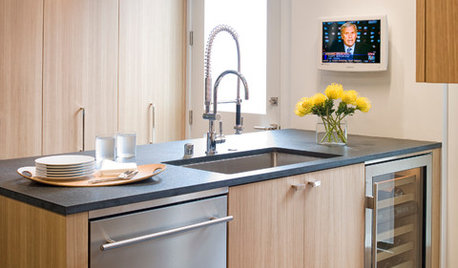
KITCHEN DESIGNFine Thing: A Wine Fridge Right Where You Want It
Chill your collection: No wine cellar or tasting room required
Full Story
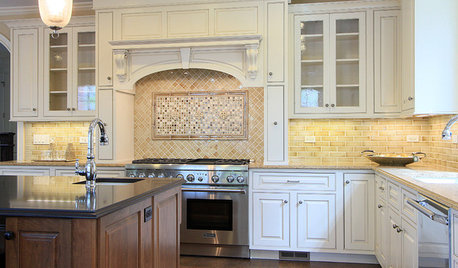
KITCHEN DESIGNThe Cooking Hearth Never Looked So Good
Today's Range Hoods Have High Style to Match Their Function
Full Story
KITCHEN DESIGNA Cook’s 6 Tips for Buying Kitchen Appliances
An avid home chef answers tricky questions about choosing the right oven, stovetop, vent hood and more
Full Story
REMODELING GUIDESWhere to Splurge, Where to Save in Your Remodel
Learn how to balance your budget and set priorities to get the home features you want with the least compromise
Full Story
KITCHEN DESIGNNot a Big Cook? These Fun Kitchen Ideas Are for You
Would you rather sip wine and read than cook every night? Consider these kitchen amenities
Full Story
KITCHEN DESIGNHouzz Call: What’s Cooking in Your Kitchen?
Most of us turn to recipes, videos and culinary shows when we cook. Where do you set your cookbook, tablet or TV screen?
Full Story
KITCHEN STORAGEWhere to Put Holiday Pots, Pans and Platters the Rest of the Year
If your holiday meal plans involve large cooking and serving vessels, consider these 9 kitchen storage options
Full Story
MOST POPULARThe 100-Square-Foot Kitchen: A Former Bedroom Gets Cooking
DIY skill helps create a modern kitchen where there wasn’t one before
Full Story
KITCHEN DESIGNKitchen of the Week: Cooking for Two in Ontario
Three small rooms become one large kitchen, so an Ottawa couple can cook side by side and entertain
Full Story

Olychick