

Water, water, water...
8 years ago
Featured Answer
Sort by:Oldest
Comments (10)
 8 years ago
Related Discussions
New TifSport sod plan / questions
Comments (16)This year you will likely be fine. When the bermuda comes out of dormancy next spring, the grass in the shade of the oak will not come out. That opens up all that area to some bad boy weeds. Among the weeds to watch for are clover, black medic (looks like clover), dichondra, and horse herb. They are innocuous looking at first, but become prolific. As they spread quickly into the shade-weakened bermuda, they will continue to spread into the dense bermuda shading it out as it goes. By the judicious use of Weed-B-Gone next spring, you can hold off the weeds until the rest of the bermuda comes out. Worst case is if you get crabgrass started in there, but that is unlikely because it is a sun loving plant, too. Dallis grass is another possibility. It has no trouble on the fringe of shade and sun. One thing that we're seeing happen is owners get anxious for their bermuda to come out in the spring. Just about the time the grass is starting to pop, they will drop bermuda seed. Or if they waited long enough to see it pop, they will see a weak spot (like I'm expecting in yours) in a hybrid bermuda and toss some bermuda seed in to build it up. The problem with that is the seeded varieties of bermuda are all common bermuda and not nearly the same quality of grass as the hybrid Tiff grasses. Even the Tif 419 variety of hybrid is not the same quality as your sports model bermuda. In the long run, the only turf grass that will survive under a southern live oak tree is St Augustine....See Moresubject week #7 - 8/3 - water/water features
Comments (1)Wanda, are you ok? Would you like someone else to pick a subject>...See MoreTree removal trauma...let the frying begin
Comments (23)Lots of good suggestions here, and you have already made a nice start by finding some lovely new trees. If you mulch around some of the plants that are getting the most damage, you can help keep the roots cool, which will make it less likely that the plant will die. The foliage will still suffer, but you might well save the plant. Use a mulch that isn't going to be hot--no grass clippings or sawdust. Something like chunks of hardwood, prefereably in a lighter color would be good, and pine needles would be idea if you have a source for them. Straw would also work, although you will be pulling out oats later in the summer. However, straw is cheap and easy to spread, and very light in color, so it might be a good choice. Rather than potting plants up, perhaps you have neighbors and gardening friends who would keep some of your plants as guests in their gardens for a year or two. Many of the woodland plants do not tolerate being potted for any length of time, and although being moved isn't ideal either, it might be the better of the two options. Shade cloth is a great idea, and there are any number of ways to use it. You can put up posts or hoops and drape it over the top, or you can put up posts and run it along the posts like a fence line. You can even put large wire circles around specific plants (think giant tomato cages), and drape shade cloth over the cages. A quick and relatively inexpensive way to get an 8 foot height on posts is to drive in a 7 or 8 foot steel t-post, then attach an 8 foot long landscape timber to it using wire in 2 or 3 places. This is much easier than trying to dig post holes, and 8 foot landscape timbers go for as little as $2 each, while the 10 foot ones that require a 2 foot hole generally run $15 or more apiece. You can also use the lathe panels sold as trellises for shade--put in a post and attach a panel. You can put the panel either straight up or down, or at an angle, depending on the area you want to shade. If you don't mind a little scrounging, you can salvage old window screens and use them in the same manner--not so attractive, but it does work. You can plant fast growing, tall annuals around perennials, as long as you don't put them too close. There are several varieties of marigolds that will get 3 feet tall, and sunflowers are another good option--the larger varieties will get to 6-10 feet in very short order. If you want to do something completely weird, plant some sweet corn--it will grow very quickly to shade the plants, and you will have the added benefit of some nice fresh sweet corn. I know, that one's odd, but I'm from Iowa, I can't help myself! Vining annuals such as black eyed susan vine and nasturtiums will grow very quickly up a trellis or cage and provide quite a bit of shade. Even large houseplants set strategically in front of a perennial will provide some shade. Which ever method or methods you decide to try, concentrate on dealing with the plants that are not easily replaceable first. Chances are that you could replace most or all of the hostas you grow without too much difficulty, but some of your other plants will be much tougher to replace. And as others have said, water, water, water. Be sure you water very deeply to encourage the roots to grow downward, because shallow watering will encourage lots of shallow roots, which are more easily damaged by heat....See MoreWater, water, water everywhere 4 pics
Comments (12)I'm just glad the nearest river is 6 miles in one direction and the next closest is 13 miles in another. Our flooding is all overland! ANy little creek or low spot is filled and overflowing pronto! DD and the boys got a reverse 911 call last night to inform them of two roads closed in her town. She lives 6 miles away from where she works, now has to drive a 30 mile detour to get to work,school and daycare because of washed out roads. The weather man assures everyone the water wont go down too fast because our ground is so saturated with the heavy rain we had last November, before we got this ton or two of snow! So it is slow going....See More 8 years ago
- 8 years ago
- 8 years ago
 8 years agolast modified: 8 years ago
- 8 years ago
- 8 years ago
 8 years agolast modified: 8 years ago
- 8 years agolast modified: 8 years ago
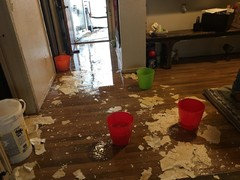

Related Stories
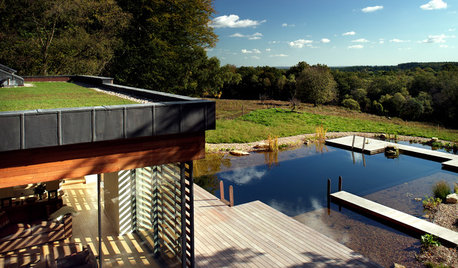
FEEL-GOOD HOMEFeel-Good Home: Water, Water, Everywhere
You can mindfully introduce water features into your landscape no matter the size of your yard
Full Story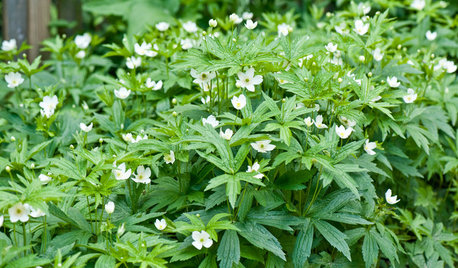
GARDENING GUIDESGreat Design Plant: Anemone Canadensis Adds Pizzazz to Water’s Edges
Plant Canadian anemone along pond, lake or stream edges for a splash of white flowers in late spring
Full Story
GREEN BUILDINGWater Sense for Big Savings
Keep dollars in your pocket and preserve a precious resource with these easy DIY strategies
Full Story
SAVING WATERXeriscape Gardens: How to Get a Beautiful Landscape With Less Water
Conserve water and make gardening much easier with the xeriscape approach’s 7 principles
Full Story
LANDSCAPE DESIGNWater-Saving Landscaping Ideas for Traditional Homes
Who says you need a lawn and roses in front of your traditional house? Try some of these drought-tolerant beauties instead
Full Story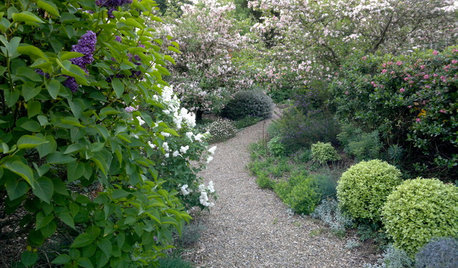
LANDSCAPE DESIGNSee a Lush Australian Garden That Needs Little Water
Highly self-sufficient and sustainable, this oasis near Sydney offers something special around every corner
Full Story
LANDSCAPE DESIGNGet Along With Less Lawn — Ideas to Save Water and Effort
Ditch the mower and lower your water bill while creating a feast for the eyes with diverse plantings and gathering places
Full Story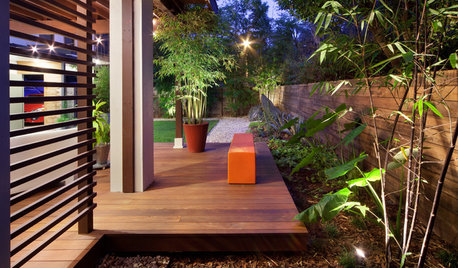
LIFEThe Top 5 Ways to Save Water at Home
Get on the fast track to preserving a valuable resource and saving money too with these smart, effective strategies
Full Story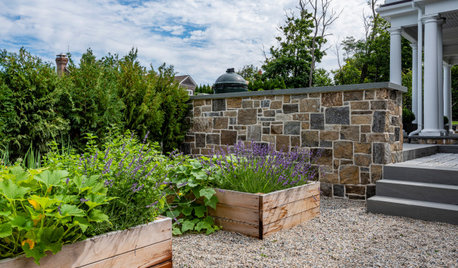
GARDENING GUIDES9 Ways to Be Water-Wise in the Edible Garden
Consider these tips to get a healthy backyard crop that uses less water
Full Story
ECLECTIC HOMESHouzz Tour: Water and Openness Inspire a San Francisco Remodel
Better functionality and ocean-loving touches make for a casual, comfortable home that suits a family of 5
Full Story

Jasdip