

Which native shrub to use?
8 years ago
Featured Answer
Sort by:Oldest
Comments (8)
 8 years ago
Related Discussions
planning a native, bird-friendly shrub bed--feedback?
Comments (2)On a day when you are home, measure the amount of the sun that it gets. Six hours of sun is considered full sun and will allow your shrubs to flower (and therefore set fruit). Once the sun comes up, check the area every hour and if it is sunny then count that as one hour. Once the sun has moved on from the area, count up how many hours there were and you have your answer. Make sure you do your research on those shrubs: viburnums fruit more heavily when cross-pollination occurs. For v. dentatum, people often recommend that you have two different cultivars (like 'Blue Muffin' and 'Red Feathers' or a cultivar and a plain species). But overlapping bloom times is the key. My 'Blue Muffin' blooms at the same time as my Mapleleaf Viburnum (v. acerifolium) and they cross pollinate each other. For spicebush, you need at least one male and one female (unless you know your neighbors have a male). I have 3 females and one male and that works fine (you don't need one-for-one). Here is a link that might be useful: This is a good viburnum thread to read...See MoreNative Evergreen Shrubs for various locations...
Comments (2)Well, I just happen to have a list ... I do include a few evergreen trees that have dwarf or narrow forms that might be suitable for some needs. If someone knows of others, please add them on. Kalmia latifolia, Mountain Laurel: large shrub/small tree but dwarf forms are available (Elf and others). Shiny, handsome leaves and beautiful flowers that are attractive even in bud, extending the "bloom" time. No berries. Blooms in late spring. Morning/early afternoon sun with protection from hot afternoon sun is best. Shade tolerant but needs some sun to bloom best. Illicium floridanum, Florida Anise: medium shrub up to 10 feet tall but can be pruned for a smaller height. Aromatic foliage, red blooms and attractive star shaped seed pods. Handsome, glossy leaves that resemble rhododendron. Shade tolerant. Illicium parviflorum, Anise Tree: large shrub/small tree up to 20 feet tall but can be pruned to maintain smaller height. Aromatic foliage, white blooms and attractive star shaped seed pods. Handsome, glossy leaves that resemble rhododendron. Accepts more sun than itÂs cousin, Illicium floridanum. Rhododendron catawbiense: large shrub up to 10 feet. Pinkish/purple blooms in late spring, many cultivars available, including a white one (ÂAlbumÂ). Large handsome leaves. Shade tolerant but needs some sun to bloom best. Morella cerifera (used to be Myrica cerifera), Wax Myrtle: large shrub/small tree but dwarf forms are available (ÂDonÂs Dwarf is one, 4-6 feet). Aromatic foliage, small grey berries which birds eat. Tolerates full sun and partial shade. Leucothoe axillaris: medium shrub up to 6 feet but slow growing. Foliage is glossy and emerges reddish in the spring and bronzes in the fall. Tolerates moist, shady conditions like streambanks but is also at home in the garden. White flowers in late spring, no berries. Agarista populifolia: formerly considered to be part of the Leucothoe genus, this shrub is larger than Leucothoe axillaries, fast growing up to 10-12 feet eventually. Tolerates shade and accepts heavy pruning, even when used as a hedge. White flowers in late spring, no berries. Good candidate for shady evergreen screen when a tree is too much. Ilex vomitoria, Yaupon Holly: Tree and shrub forms, including a weeping tree specimen, ÂPendulaÂ. Several dwarf forms are available, including ÂNana and ÂSchillingÂs DwarfÂ. Small leaves, no spines, red berries which birds eat. Hollies are dioecious, requiring male and female plants for berries (can cross pollinate with other hollies that bloom at the same time, even if the plants are in your neighborÂs yard). Partial shade to full sun. Ilex glabra, Inkberry Holly: Medium shrub up to 8 feet, but slow growing. Cultivars such as ÂShamrockÂ, ÂCompacta and ÂDensa are available. Bigger leaves than Yaupon holly and no spines; blue/black berries which birds eat. Tolerates wet soil. Hollies are dioecious, requiring male and female plants for berries (can cross pollinate with other hollies that bloom at the same time, even if the plants are in your neighborÂs yard). Partial shade to full sun. Ilex opaca, American Holly (technically a tree): one dwarf form is available, ÂMaryland DwarfÂ. Typical holly leaf, red berries which birds eat. Hollies are dioecious, requiring male and female plants for berries (can cross pollinate with other hollies that bloom at the same time, even if the plants are in your neighborÂs yard). Partial shade to full sun. Prunus caroliniana, Carolina Cherry Laurel (technically a tree): can be a large tree (20-40 feet), but this plant is popular for screening and the cultivar ÂBright N Tight is widely available. Small white flowers and glossy leaves 2-3 inches long. Leaves should not be eaten by livestock. Tolerates partial sun. Magnolia grandiflora ÂLittle GemÂ: smaller than the species tree, this dwarf still grows up to 20-25 feet at maturity, 8-10 feet wide. Full sun for best performance, but this will tolerate partial sun. Flowers at an early age. Mahonia aquifolium, Oregon grape holly: native to the western parts of the US, this is not a holly, it is actually a member of the barberry family. It can grow 7-10 feet tall in time. Looks best in partial shade. If you are planting this, be sure that you get M. aquifolium and not the imported Mahonia bealei which is naturalizing itself into unwanted areas. Evergreen shrubs that are not native include nandina and ligustrum/privet. These have become naturalized over time in the Southeast....See Moremail source for zone 6 native trees and shrubs
Comments (6)I was just at the Musser site. They are still sending out potted plants. Another good one is Sunlight gardens in TN. I ordered from both when I lived in TN. I wasn't especially happy with Musser. Good price, but extremely small plants. Sunlight's plants were small also, but seemed of better quality. You could also order from ForestFarm.com. Prices are a little high, mostly because of shipping, but the plants I received were of exceptional quality. They probably aren't sending out plants now, but like the others said, I'm sure they'd take your money and send them in the fall. Terry...See MoreWhat are your favorite PNW native understory shrubs?
Comments (8)Common snowberry would probably grow, provide winter color. Your conifers are likely to be mostly Douglas firs. Salal, Oregon grape, evergreen huckleberry and ocean spray are typical associates on sites tending towards dry. Ceanothus (C. velutinus) and manzanita are found on the hottest, most exposed and/or sandy sites here. Columbia manzanita is so prone to spotting and blackening of the foliage that it is not really a satisfactory ornamental on the whole. There ARE some old ones in local gardens here and there, on rockeries and in other exposed positions. Often when examined up close the foliage is infested. Indian plum is characteristic of floodplains and other places where soils become damp in winter. Red elderberry also prefers it moist and fertile, the lush look of many deciduous trees and shrubs and woodland wildflowers hints at what they want. All occur on sites less than perfect in nature, and can be readily coaxed into growing in gardens made not on sites they would be found on spontaneously using simple tricks like watering a little in summer or planting against a south-facing wall. Going on walks and looking at nearby undeveloped lots, uncleared portions of city parks and other places where there is still natural vegetation and noting what grows where could be highly instructive. Keep soil fertility and moisture regimes in mind, as well as light exposure. You can actually analyze a site using the native plants that are growing on it....See More 8 years ago
 8 years ago
 8 years ago
- 8 years ago
 8 years agolast modified: 8 years ago
- 8 years ago
Related Stories
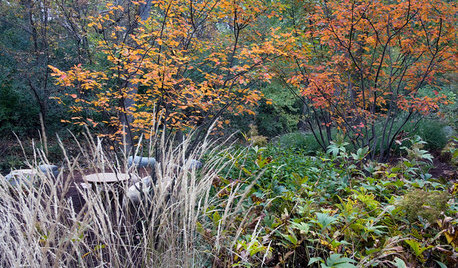
GARDENING GUIDES8 Native Shrubs for Year-Round Bird Feeding
It’s not just about berries. These plants provide insects for birds and seasonal interest for gardeners
Full Story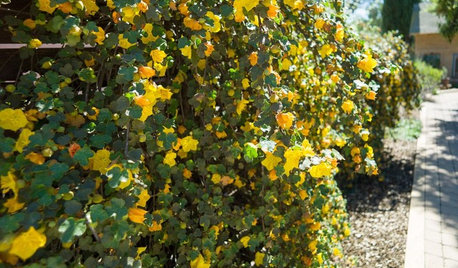
GARDENING GUIDESTidy Up Sprawling Native Shrubs With These Pruning Tips
Sound horticultural pruning methods work for native and nonnative plants alike
Full Story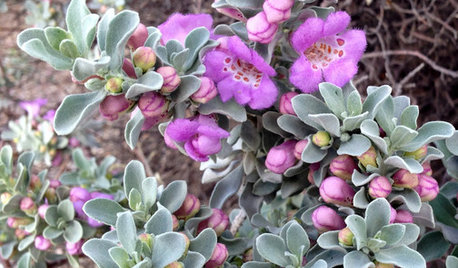
GARDENING GUIDES10 Essential Native Shrubs for Southwestern Gardens
Look no further than these Southwestern beauties for a colorful, low-maintenance landscape
Full Story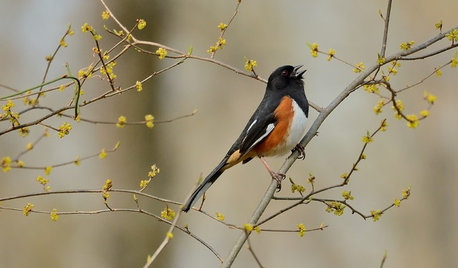
GARDENING GUIDES10 Standout Native Shrubs and Small Palms for Southern Gardens
These hardworking plants serve a variety of purposes, such as screening views and attracting native wildlife
Full Story
GARDENING GUIDES15 Native Flowers That Feed Native Bees
These perennials offer superfood to hundreds of bees and are gorgeous in their own right
Full Story
LANDSCAPE DESIGNGarden Overhaul: Which Plants Should Stay, Which Should Go?
Learning how to inventory your plants is the first step in dealing with an overgrown landscape
Full Story
GARDENING GUIDESWhat to Plant Under Native Redwood Trees
Find out which ground covers, ferns, perennials and shrubs will thrive under the canopies of these West Coast giants
Full Story
GARDENING GUIDES10 Cold- and Heat-Tolerant Perennials and Shrubs for the Arid West
These flowering native plants shrug off the cold of winter and heat of summer while adding beauty to the drought-tolerant landscape
Full Story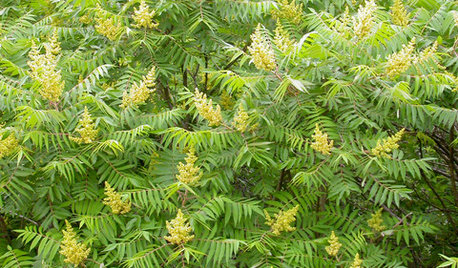
GARDENING GUIDES8 Essential Shrubs for Wildlife in the Great Lakes and Midwest
These beautiful native shrubs provide pollen and nectar for bees, and fruit and insects for birds
Full Story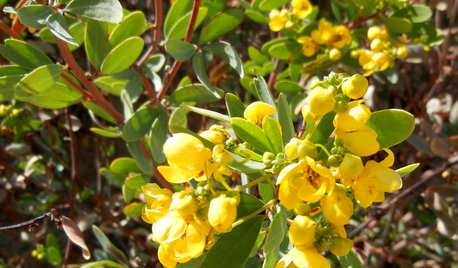
FLOWERS AND PLANTSWarm Up Mild-Winter Gardens With This Cheery Australian Native
Outback cassia’s colorful branches and foliage bring color to the cool-season garden
Full Story0
Sponsored
More Discussions
User