

Beef Wellington?
9 years ago
Featured Answer
Sort by:Oldest
Comments (19)
 PRO9 years ago
 9 years ago
Related Discussions
question about beef wellington...
Comments (10)hee hee - must be a big change from the frenzied maniac of last night! They'll be here in less than an hour and the wellingtons are put together ready for oven so are the mushrooms, cheese nips...I stil lhave to do hollandaise and cook asparagus. Fruit and stuff is cut up for the fondue - and kids pizzas are prebaked - just need warming up. Oh and soup is done - cheese is grated for tops, and bread is toasted. Here I am feeling quite proud - watch - I'll self destruct - lol. Only thing to do is fix ME up. good lord, if i answered the door like this they'd wonder what the "real" theme is... Stacy...See MoreNeed answer right away! Refrig wellington pre- or post baking?
Comments (5)I know I'm late, but I was out all day and just saw this now. So for future reference, unbaked is the way to go. Once the beef has been browned, it needs to be fully cooled before wrapping in the puff pastry. It won't be sticky. I've often prepared beef wellington and a chicken version early in the day and refrigerated it and not baked it until dinner time. I've never had a problem with it going to sticky or soggy. Ann...See MoreLobster Bisque
Comments (7)Sharon, we always have lobster in some form on New Year's Eve. When I make Lobster Bisque Julia Child's recipe is the one I use. Been using this recipe for over 30 years. Unlike Julia, I can't kill the lobster by cutting it in half. So I par boil for three minutes and then proceed with the recipe. Ann Home Cookin Chapter: Recipes From Thibeault's Table Lobster Bisque ============== Julia Child "Mastering the Art of French Cooking. "Considering the price of Lobsters that the pureed nature of a bisque, we think it is a waste to use whole lobster here. We therefore suggest only chests and the legs of the bisque, and the tails and claws, and tomalley for a splendid main dish such as the homard a l' Americaine described in volume I on page 223. In fact, you could well combine the two, starting them out together, since both follow much the same pattern. Serve the main dish one night and the bisque a day or two later. That is up to you, however, and we shall content ourselves with the chests and legs from 3 or 4 lobsters for the following recipe. As in most dishes of this type you can expand or contract the ingredients to a certain extent without upsetting the balance of tastes, and you need not be disturbed if you have a little more or a little less of anything that is called for. . For about 2 quarts, serving 6 to 8 Step 1 Preliminary 1-cup mirepoix (equal parts finely diced onions, carrots, and celery) 1 1/2 Tablespoons butter A heavy 3-quart stainless or enameled saucepan with cover 1 1/2 cups chopped fresh tomato pulp (3 to 4 medium tomatoes, peeled, seeded and juiced) The chest parts with the shells and the legs from 3 or 4 fresh raw 1 1/4 to 1 1/2 pound lobsters Cook the mirepoix slowly in the butter, in the saucepan for 6 to 8 minutes, or until vegetables are tender but not browned. Meanwhile, prepare the tomatoes. Cut lobster chests in half lengthwise. (My Notes: For lobsters: Bring a pot of water to a boil. Add the lobsters head first and cook for 3 minutes. Remove and run under cold water. Separate the tail and the claws from the body and split the chest open. Discard the stomach sack and the black vein. Same the tomalley, (Greenish Soft matter lying in chest cavity and the orange red roe. (Found in females). Step 2 Sauteing the lobster 2 or more Tablespoons olive oil or cooking oil. A heavy 10 to 12 inch no stick or enameled casserole Cooking tongs. Film the bottom of the casserole with 1/16 inch of oil; set over moderately high heat until oil is very hot but not smoking. Add the lobster chests cut side down and the legs. Do not crowd pan: saute in 2 batches if all will not fit easily in one layer. Toss and turn frequently until shells are a deep red (4 to 5 minutes in all). The colour will tint the soup. Step 3 Simmering the lobster and removing the meat. Salt and pepper 1/3 cup Cognac Either 1 1/2 cups of dry white wine; or 1 cup dry white vermouth 2 tablespoons fresh tarragon or 1 tablespoon dried tarragon 1 bay leaf The mirepoix and the tomatoes from Preliminary step. 1 clove mashed garlic large pinch of cayenne pepper Cover for the casserole When the lobster is sauteed, lower the heat slightly, salt and pepper the lobster, and pour in the Cognac. Ignite by shaking pan vigorously or tilting it into the heat source or use a lighted match. When flames have died down, pour on the wine, mix in the tarragon, and add the bay leaf and other ingredients. Cover casserole, and simmer slowly for 20 minutes. Before proceeding you may wish to start the rice in the next step, so that it will be done by the time you are through here. Remove the pieces of lobster from their cooking sauce and extract the meat from the shells. You will have about 1 cup' place in a bowl. Puree the cooking sauce through food mill or sieve into the other bowl, and scrape into a jar of blender; reserve for step 5. Chop shells into 1/2 inch pieces and reserve in bowl for step 6. Step 4 Simmering the rice 3 cups fish stock or canned clam juice 2 cups beef stock The saucepan from Step 1 in which the mirepoix was cooked 1/4 cup plain raw white rice Bring the fish stock or clam juice and beef stock or bouillon to a boil in the saucepan; sprinkle in the rice. Stir up once and simmer for 20 minutes. Set aside. Step 5 Pureeing rice and lobster meat Drain rice through sieve, reserving its cooking liquid in the bowl. Scrape rice and the half portion of lobster meat into the blender. Puree adding a little of the rice cooking liquid if mixture is too thick for easy blending in the machine. Scrape the puree out of the blender and into the rice-cooking saucepan. Step 6 Shellfish butter for final enrichment - lobster butter 6 Tablespoons butter The bowl of chopped lobster shells Heat butter to bubbling in casserole, stir in the chest and leg shells and saute for 2 to 3 minutes tossing and turning to heat thoroughly. Immediately scrape into blender and puree, flicking switch on and off and scraping shells down into blades as necessary. Scrape puree into sieve and mash vigorously with spoon to extract as much butter as possible. Scrape all butter off bottom of sieve with rubber spatula and pack into bowl. Set aside for Steps 7 and 8. To extract all remaining flavour from blender jar, shells, and sieve, pour rice-cooking liquid into the casserole in which you just saute the shells. Heat to the simmer and pour liquid into blender to rinse it then pour liquid back into casserole, and swish sieve about in the hot rice cooking liquid to dislodge all debris. Simmer 3 to 4 minutes; strain liquid through the sieve and into the saucepan with pureed rice and lobster. Step 7 The Lobster Garnish 2 Tablespoons lobster butter Salt and pepper 2 tablespoons Cognac or dry white vermouth Heat the butter to bubbling in the frying pan; stir in the remaining lobster meat and sprinkle with salt and pepper. Saute over moderate heat for 2 minutes, tossing and turning. Pour on the cognac or vermouth, and cook for moment until liquid has evaporated. Scrape the lobster into the saucepan containing the rest of the soup mixture from Step 6, and you are finally almost ready to serve. (The recipe may be completed to this point; let cool uncovered, then cover and refrigerate or freeze.) Step 8 Final Flavouring and serving If needed more fish stock, clam juice or bouillon Salt and pepper Cayenne and tarragon 1/2 to 1 cup heavy cream The lobster butter from step 6 2 to 3 tablespoons minced fresh chervil, tarragon or parsley Croutons, homemade Melba toast, or fresh French bread. Shortly before serving, bring the bisque to the simmer. It should be quite thick, but if it needs thinning, stir in a little stock or bouillon. Carefully correct seasoning. Just before serving, stir in the cream, then remove from heat and stir in the lobster butter by tablespoonful. Pour the bisque into a hot tureen or soup cups, and decorate with the fresh herbs. Pass the bread or croutons separately....See MoreBeef wellington, you love it or you don't.
Comments (20)In the olden days I made the puff pastry myself from Julia child's cookbook. There were 4 or 6 "turns" you had to make. Gently rub it and then turn to the other side and let it rest. It was very hard to tell how well cooked the meat got when you added the puff pastry but there were lessons learned and I made them individually and sometimes the guests had to swap. One time I was making it and I received a crate of live lobsters from a friend. That night we could have gotten gout as everyone got an individual Beef Wellington and a lobster. Tonight I had a chicken sandwich on the run for dinner. So, what's for dinner is now an embarrasing question....See More- 9 years ago
 9 years agolast modified: 9 years ago
 9 years ago
- 9 years ago
- 9 years agolast modified: 9 years ago
 9 years ago
- 9 years ago
 9 years ago
- 9 years ago
- 9 years ago
 9 years ago
- 9 years agolast modified: 9 years ago
 9 years ago
- 9 years ago
- 9 years agolast modified: 9 years ago
- 9 years ago
Related Stories
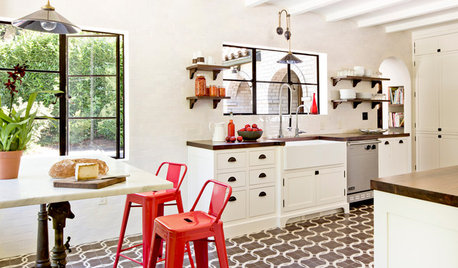
KITCHEN DESIGN16 Scrumptious Eat-In Kitchens and What They Want You to Serve
Whether apple-pie cheerful or champagne sophisticated, these eat-in kitchens offer ideas to salivate over
Full Story
LIFEIs Cabin Fever Real? Share Your Story
Are snow piles across the U.S. leading to masses of irritability and boredom? We want to hear your experience
Full Story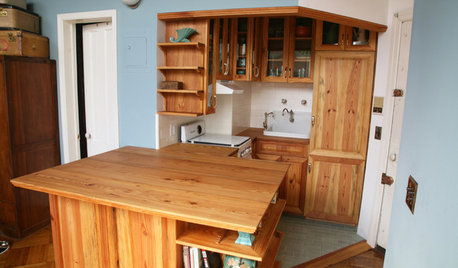
SMALL KITCHENSKitchen of the Week: Amazing 40-Square-Foot Kitchen
This tiny nook with almost all reclaimed materials may be the hardest-working kitchen (and laundry room!) in town
Full Story
Lindsey_CA