

How many physical addresses have you had?
9 years ago
Featured Answer
Sort by:Oldest
Comments (65)
 9 years ago
 9 years ago
Related Discussions
How many have had to resort to containers
Comments (14)There is a nurseryman who sells at our local farmers market . Below I have copied his writing explaining his view on potting soils in a newsletter he sends out. I am having better results with the peat/pumice mix when I add some sand and some of my soil than with the usual store bought mixes. As Gary says, the bagged mixes at the stores usually have a more limited life. Using longer lasting mixes allows you to save some work by repotting less often. If I were not growing roses in the ground, I would be using raised beds. We have an elderly neighbor who does all of her gardening in tall brick sided raised beds and it allows her to continue gardening. She can sit on the bricks and work with the plants. A concrete path allows her to use her walker to easily reach the beds. I find that the polyanthas and smaller roses do very well in pots and that young hybrid teas like 1/2 barrels or 15 gallon cans. I don't mind hand watering them but the summer can dry a pot with a large rose in it out in half a day. Dry roses quit flowering in my experience. The other caution is about sunlight baking the sides of the pot and killing roots. Some growers will place a mark on the sun side of the pot so that they don't turn it and cook another area of roots. I prefer just to shade my pots or place them in larger pots so that I can keep all the roots cool and in good health. I'm not trying to sell Gary's soils, but I wanted to share his views on potting soils and the recent use of growers to use a soil with a very short life in order to raise plants for market fast but which cause trouble for the plants/ buyers later whe the plants are installed. We both think bareroot is best for planting in pots and in the ground. From Gary's Newsletter- LHN Potting Soil ACID MIX 1 cubic foot $10 Although this soil was specially created for Azaleas, Blueberries, Camellias, and Ferns it is not too acidic for most plants. I use it in containers for growing all annuals (flowers and vegetables) and plants that require lots of moisture (Hydrangeas and Roses). It is especially valuable for outdoor use in smaller containers (6" or less in diameter) where moisture retention is critical. It can lose about 10-15% of its volume within 18 months as the peat moss breaks down, but retains excellent permeability due to the pumice. It is actually a good soil substitute or replacement when used in the ground. I have beautiful Azalea in Ferns in the ground growing in 100% ACID MIX for well over a decade. Ingredients: Peat moss & Pumice (about 1:1) LHN Tropical POTTING SOIL 1 cubic foot $10 This soil was created for those plants that require well-drained (highly permeable) soil especially in permanent (at least several years) applications. It is also ideal for all indoor potting applications. We haven't observed any significant shrinkage of its volume over many years of use. It's water retention is about 25% lower than the ACID MIX, so use with caution in small containers outdoors. It is acidic enough to grow most acid-loving plants. Ingredients: Pumice, peat moss, sand (about 6:3:1) Our potting soils do not have time release nutrients added. The brands that include it can be toxic if moistened and not used immediately. I like to add a time release, like Osmocote, at the time of planting and follow it with organic fertilizers at monthly intervals (we sell these also). Plants potted in our soils can sit in a deep saucer of water for extended periods to provide moisture when you are on vacation. The majority of other brands will rot and stink when left submerged. Also water draining from pots filled with our soil is clear. Many other brands leach out a brownish red color that discolors pavement. When I grow our trees and shrubs in containers, I mix our ACID MIX with construction sand at a ratio of 1:1. Many of our customers like this mixture for the added weight. I like using sand because it is the main component of the finest natural soils and allows plants grown in it to perform better when installed into the landscape. WARNING: OTHER POTTING SOILS ARE ONLY SUITABLE FOR TEMPORARY APPLICATIONS! A University of California researcher confirms that just about all commercial brands of potting soil are meant for 5 months of use. This short period is due to the temporary nature of the materials chosen. Most potting soils contain composted bark and/or sawdust which lose permeability and gradually become less habitable as the chunks of organic matter decompose and shrink. Apparently the 5 month period is acceptable as most potted plants in the US (other than mild Orange County) freeze or are allowed to die during winter and replaced every spring along with fresh soil. These same researcher also found that most commercial soils, even when fresh, are suitable for growing only a small percentage of extra hardy (tolerant of poor soil) plants. They were able to grow vigorous Impatiens but found that ferns and Cyclamen did poorly. I have also found that most potting soils are not permeable enough to allow vigorous root development, especially when used in large containers. Most potting soils are actually compost. The more you use, the less oxygen is available for root health. This is why some "experts" tell you to increase container size in small increments. Too much fresh compost at one time will suffocate and kill the roots! (see below) In contrast, our potting soils behave more like real soil. The more you use, the better the results. You can use them over and over. Just follow the rules of crop rotation and don't plant the same (or closely related) plant twice in a row. Even more important, you can irrigate freely. Our soils are nearly immune from too much watering. Many of our customers have used our potting soils in the ground, either as an amendment, and often as a replacement with excellent results. Don't give up trying to grow a particular kind of plant until you've tried growing it in our potting soils. The Science Behind Potting Soil Plant roots require water retention, air exchange, support, insulation, and nutrient storage. Unfortunately, the first two of these are usually in opposition. Any soil that has high water retention has less air exchange, just because water is taking the place of air. Our Laguna Hills Nursery soils combine peat moss, the best natural material for water storage (Clay holds more water, but won't release it) and pumice, the most permeable natural material (70% space, 30% rock). In our atmosphere the oxygen content is roughly 21% and the carbon dioxide is 0.03%. Research from the University of North Carolina shows that the air in the soil of container plants can be anywhere from 0%-21% oxygen and 0.03%-21% carbon dioxide. High levels of carbon dioxide can inhibit root growth. More importantly the oxygen must remain above 12% for active root growth and above 3% to stay alive. The problem with most potting soils is that they depend upon the structure of organic matter to create free air flow. Peat moss, bark and sawdust all have great air exchange initially, but because they are not permanent materials, problems eventually occur. Generally (different materials and even parts of organic materials decompose at different rates) within 6-18 months the airflow through the organic materials decreases considerably. Moist organic matter gradually turns to "muck". On top of that the decomposition continues and compounds more toxic than carbon dioxide are produced when the supply of oxygen is compromised. I've noticed that plants under such poor conditions produce small, off-colored foliage usually showing tip burn (resembling salt burn). AVAILABLE THIS WEEK...See MoreHow many of you WISH you had more sun?
Comments (31)Nights are going to be really cold this week - into the 30's. Anyone who lives in northern states should bring their citrus inside for the winter (if you haven't yet). Provide good lighting, humidity and warmth. Meyer Lemons can take some cold temperatures, but only for a short time. They stop growing and thriving below temps of 50-55F. Good thing to keep in mind. I ordered a temp/humidity meter on Amazon to monitor the air around my tree. If I have extra money next month I might pick up a soil temperature meter to make sure the root zone is warm enough - although I think that is a bit nitpicking, but there is nothing I won't do or buy for my tree friend. I will post pics pics of the 10 lemons on my tree when they start to turn yellow. Hopefully next month. Then again when they are the beautiful gold/yellow color and ripe. Also, I will be taking cuttings today or tomorrow. I have to because the new growth is growing right up to the grow light and will get burnt if I don't remove them. Fingers crossed. I will be very pleased if I can clone my tree instead of buying another citrus from Logees or Four Winds Nursery....See MoreHow Many of You Had An Autograph Book?
Comments (15)I had got one as a gift in the 1940s when I was in grade school. Several other peers had autograph books too. Some examples: May God in Heaven bless you and keep you from sin, and when you knock at the Golden Gate the Angles will let you in. -- writtne by you Sunday School Teacher, A____ F____. J____ my son May the Lord guide you in your school & work. May you be of some good in this world. -- Mom Blue eyes is true eyes -- my little sister Dear son, when you get grown and feeling mean, just turn to the gospel of St. Mark 3 - 35. -- Your Dad Dear J_____, When you and your girl are sitting on the fence studying your lesson. The grass grow up and tickle his neck, His mouth fly open and a kiss fly in. -- Your friend, H_____. Dear J____ : May you go through life On a joyous express That stops only at stations Marked "happiness". -- Your Teacher, F_____ R_____ Dear J_____ : In your golden chain of friendship, please regard me as a link. -- Your friend, G______ Dear J______ : When you get married and live accross the river, I'll kill my old cat and send you the liver. -- B___ (Kids wrote anything that rhymed, and most of the stuff did not.) Dear J____ : When you get old and ugly as old folks do, remember that you have a friend that's old and ugly too. -- Your Friend, W_____ Dear J____ : Whe you grow up and get married and if you keep sewing and your wife won't haf to do the sewing. --- Your friend, B_____ Dear J____ : Roses are red Violets are blue Sugar is sweet And so are you -- Your Friend, B____ S____ (Well, someone did enter an old standard.) Dear J_____ : When you get married and live upstairs, Don't get mad and break up the chairs. -- Your school mate, B____ H______ Dear J______ : In your wood-box of life, please remember me as a little splinter. -- Your schoolmate, R_______ Dear J____ : When you see a monkey up in a tree, Pull his tail and think of me. -- Your friend, G____ R______ Dear J_____ : If you get to heaven before I do, Cut a hole and pull me through. -- Your school mate, B_____ H______ (Ah, another old standard.) Rose are red and violets are blue, send me ten dollars. -- E______ C_______ There is a destiny which makes us brothers, None walks his way alone; Whatever we give unto the lives of others, Comes back into our own. -- Your Teacher, G____ Z________ The dresser fell down the stairs and lost it drawers....See MoreHow Many of You Have or Had a Lava Lamp?
Comments (22)i gave my MIL one for Christmas one year and my FIL who was blitzed picked it up and shook it rapidly and it never worked. He was a areal prize....See More- 9 years ago
 9 years ago
 9 years ago
 9 years ago
 9 years ago
- 9 years ago
- 9 years ago
- 9 years agolast modified: 9 years ago
- 9 years ago
 9 years ago
- 9 years ago
 9 years ago
 9 years ago
 9 years ago
 9 years ago
- 9 years ago
- 9 years ago
 9 years agolast modified: 9 years ago
 9 years ago
- 9 years ago
 9 years ago
 9 years ago
 9 years ago
- 9 years ago
- 9 years ago
- 9 years ago
- 9 years ago
- 9 years ago
 9 years agolast modified: 9 years ago
- 9 years ago
- 9 years ago
 9 years ago
- 9 years ago
- 9 years ago
 9 years ago
- 9 years ago
 9 years ago
- 9 years ago
- 9 years ago
- 9 years ago
 9 years ago
- 9 years ago
- 9 years ago
- 9 years ago
- 9 years ago
- 9 years ago
- 9 years ago
 9 years ago
Related Stories
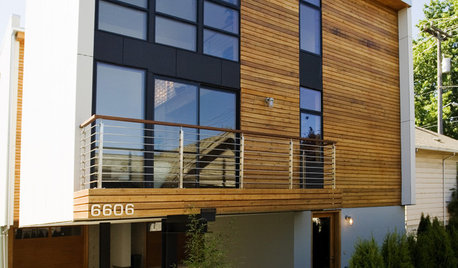
ENTRYWAYSDesign Details: Address the Address
Personalize Your House Numbers With Lighting, Location and Style
Full Story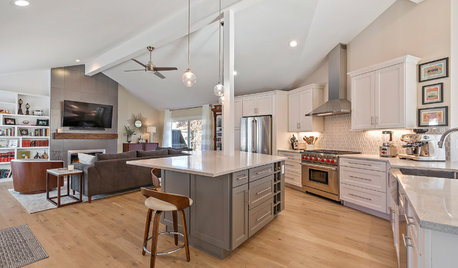
INSIDE HOUZZBaby Boomers Address Aging Needs in Kitchen Remodels
Their choices include open-plan designs and robust lighting systems, the 2019 U.S. Houzz Kitchen Trends Study finds
Full Story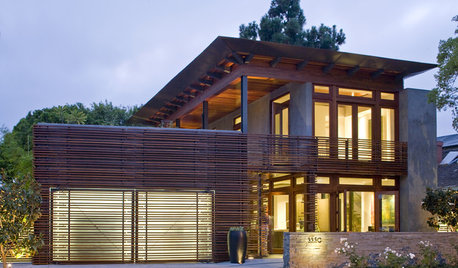
GARAGESDesign Workshop: The Many Ways to Conceal a Garage
Car storage doesn’t have to dominate your home's entry. Consider these designs that subtly hide the garage while keeping it convenient
Full Story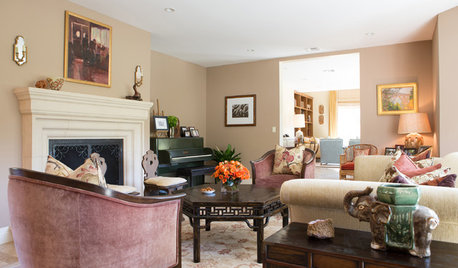
LIVING ROOMSRoom of the Day: Addressing the Green Piano in the Room
A homeowner’s favorite furniture item presents an interesting design challenge and reveals a fascinating history
Full Story
TASTEMAKERSModko Litter Boxes Address the Mess
A design duo has reinvented the much-maligned cat box, with an award-winning result
Full Story
LATEST NEWS FOR PROFESSIONALSHow to Stop Wearing Too Many Hats in Your Construction Business
Design-build firm owner Peter Feinmann offers help for general contractors and builders who have too much to do
Full Story
ORGANIZINGDecluttering Help: What to Do When Too Many Things ‘Spark Joy’
Get rid of duplicates, eliminate decor you don’t display and let go of items you feel more obligation about than joy
Full Story
MOVINGWhy So Many New U.S. Homes Are Supersized
A bigger share of new homes sold in 2015 were 4,000 square feet or more compared with before the recession. But that could change
Full Story
KITCHEN WORKBOOK8 Kitchen Amenities You'll Really Wish You Had
Keep kitchen mayhem and muck to a minimum with these terrific organizers and other time-saving, mess-preventing features
Full Story
LIFEThat’s a Talker: 10 Stories You Had Lots to Say About This Year
The world’s ugliest color, tubs vs. showers, and TVs over fireplaces had readers talking in 2016. Tell us what you think
Full Story

User