

Spring being a tough act to follow, God created JUNE READING
9 years ago
Featured Answer
Sort by:Oldest
Comments (62)
 9 years ago
Related Discussions
Idyll #330 Bone dry and tough as nails!
Comments (101)We have a very pretty screen door on the front of the house. It has the old-fashioned method of closure, just a little spring loaded doohicky. You just push the door, no knob to turn. Rex mastered it in no time flat. I retired to the security of the bedroom about 8-8:30 last night, helpmeet was watching the Kevin Spacey labor of love, "Beyond the Sea" (it's great) and dozing off on the couch. Evidently, the huge one decided to let himself out (helpmeet having forgotten to close the big door to prevent "AbsentWithOutLeash" activity). He was awakened by frenzied barking and several high-pitched, anguished animal cries. He flew down the stair and called Rex, who returned immediately and obviously stricken. At that point I vaulted out of bed, rolling the sleeping cat (Vera) uncermoniously onto the floor. I raced down the stairs in my night attire, underpants (not lime green ones). I have little fear the imagination of the crew will cue up a nice visual of the dash down the stairs... . The helpmeet was examining Rex, fearfully looking for quills and oblivious to the slowly permeating smell of something akin to burnt rubber... . Yup; SKUNKED. First time in my life I've ever had a pet skunked! Still clad only in underpants, I ordered the boy and his dog OUTDOORS and raced back up the stairs to Google "cleaning a skunked dog". I retireved the dog shampoo, rubber gloves, towels and presented them to the helpmeet. I stumbled to the spigot and hooked the watering wand to the hose and dragged that to the stricken cur (securely tied to the contractor's trailer...) and bolted back upstairs to put on a tee shirt and locate the remaining amount of "Skunk Kleen". And we washed the dog. The helpmeet then located Mr. Skunkie, by the side of the road. To quell the rising smell he decided to put him a plastic bag and bury him in the morning... but Mr. Skunkie was still alive. We decided to call the cops and ask what to do with a wounded skunk in the road... cop arrived, rolled down the window and helpmeet said, "so this is the glamorous side of policework, huh?". The officer cracked up and they went to the site of Mr. Skunkie... no skunkie, but a pool of blood. No blood trail, and a careful search of the area revealed nothing. So we have no idea where he is now, or whether or not he's died somewhere nearby. We do not know if he'd been hit by a car and Rex "discovered him" and was then sprayed or if he was contentedly scrounging around the gaHden and Rex discovered him, attacked him, and then was sprayed. What I do know is that my home still smells of skunk, the dog is going to receive a repeat of the neutralizer, and he is going to smell unpleasant for some time to come. I hate dogs. Eden, beautiful room! Denise... have you seen "Little Miss Sunshine"? LOL, I'll never look at another VW bus the same way again....See MoreSo tired of perennials acting like annuals!!!
Comments (27)Hello cargobean, Looks like you have gotten a lot of responses. It must be that this is a topic that struck a chord for many people. Probably because we have all lost plants at one time or another. I have lost a lot of plants for one reason or another over the years. Just two years ago I lost the new Echinacea Harvest Moon, which I can't attribute it to any reason in my garden, but have heard too many reports about problems with the new echinaceas to blame it on anything else. Sounds like you have already arrived at some conclusions about what you want to do next. Already planning a compost bin, already trying to choose no fuss plants....going to try the evergreen boughs. I hope you will forgive me if I embroider the edges of what has already been said, if not for your sake, for the sake of others looking for similar information. On the subject of fertilizer... I use fertilizer in my containers only. I try to improve my soil instead. I was fortunate to learn gardening from someone who had already had enough experience and knowledge about growing plants that he had already worked out for himself to grow organically and to 'feed the soil' not the plants. I seem to remember his family had already been doing that before him too. He also had a masters in Physics. He had a great garden, so I just followed his lead. Since then everything I have read, or experienced has only validated that. The subject of Soil/Compost is not the most exciting topic and I have a tendency to gravitate to the Perennial and Shrub forums etc., but I do spend time over on the Soil forum too. A lot of very knowledgeable people over there at times. Like you, I also take the approach of using plants that can fend for themselves for the most part. It depends on how much I like a plant, how much trouble I will go to for it. For instance, I love delphiniums and they are not usually considered the easiest, 'fend for themselves' plant. You have to stake them for starters, which I try to limit. But if I can get them to grow well, everyone here really enjoys them, so that is the one plant I have chosen to make an exception to my usual approach. :-) I haven't fertilized those either though and they performed well last year. Keeping my fingers crossed for this year. I just wanted to say again, if it hasn't been clear from all the responses. Over the years, I have heard more reports of gaura not surviving the winter than it making it. I have the impression that it is notorious for not coming back in my neck of the woods. The Northeast is well known for having a clay soil on the acidic side for the most part. I did a google search of just your Petite Pink Gaura, as you asked if it could be mislabeled. Most references give it a zone 5 hardiness, but I did find two references that refer to it as a zone 6 hardy perennial. One of them being White Flower Farm. So, it would seem that not everyone is in agreement that it is zone 6. Here are the links... http://www.gardencrossings.com/index.cfm/fuseaction/plants.plantDetail/plant_id/1110/index.htm http://www.whiteflowerfarm.com/29475-product.html Since the last time I posted, I was looking for some information on a variety of Shasta that I have and I did run across an article reporting that they too do not like the moisture over the winter. Where I have mine planted, is a mounded bed that slopes slightly, so the drainage may be ok there for them. You asked how you tell if something has made it. I have never put much store on scraping the stems to see if they are green. I only depend on new growth. I wait it out to see if there is new growth. How long do I wait? Well, that really depends. Lots of times it won't bother me to wait until mid to late June. If it is in a prominent place and I am afraid I am not going to get something else in that position to bloom in time to enjoy it, I might not wait that long and replace it. Of course, if the plant is really important to you, that changes things. You could always dig it out and pot it up and watch it longer if there is some doubt about whether it might come back and then plant the open space in the bed without waiting. Plants have surprised me so many times, after I was sure that they were dead, that I really like to give them a chance if I really like them and don't want to replace them. You mention that you want to fix what you might be doing wrong. Really it is not about doing what is wrong so much as that with gardening there seems to be always something more to learn...lol. I am still learning after 25 years of gardening. I discovered winter sowing on the Winter Sowing forum on GW just three years ago, after someone on another forum highly recommended it to me. Wow, that was an exciting learning experience! I had so much fun and I just wished I had known about it sooner. If you have a lot of reliable plants like those you listed but still find you want to try new plants every year, winter sowing is the way to go. It is not only fun, it is really easy, very inexpensive and you end up with a ton of plants every year. Best way to try new things without it costing you a bundle. PLus a lot of annuals can be done this way and save you even more money. I found that when I did this, it really doesn't bother me to lose something as much because I have so much and I can replace things so easily. I am not able to do as much as I like, but if you don't have any obstacles in the way of spending the time/energy doing it, then you would probably get even more out of it than I have. Hope you are enjoying this beautiful spring weather and that some of your plants surprise you with some new growth. :-) pm2...See MoreWhat are we reading in June?
Comments (122)I just finished A Man Called Ove. For the first half, I just wasn't sure about it. Sometimes a day would go by and I wouldn't pick it up. A supreme curmudgeon who is bound to commit suicide surrounded by a cast of madcap neighbors?!! I might have set it aside if I'd had something else to read at that very moment. I'm glad I stuck with it. The writing is really good and I love stories of ordinary people where small gestures and actions can change them and others around them. I had a good little cry at the end. Next up: Song of Achilles....See MoreRose Midge Fly, why did God create you?
Comments (12)Rifis, This is my first year using it. First. I applied it about mid-May if I recall correctly, perhaps a month late (explanation to follow). The roses were already forming buds then, some even coloring up. These first flush buds are rarely midged because here, midge does not come out of dormancy early enough to hit this early flush. However, cabbage butterfly caterpillars, an all season long issue, were already attacking the rose growing tips, but strangely, they do not eat the buds no matter how tiny the buds be, just the foliage unfolding at the tip. No effects in their control by the drench were seen then at at all and even to now in late July. When I sprayed I kept the caterpillars well controlled. Did I apply the drench too lightly? I don't think so. I used 1.5 gallons of Bonide 12 month Imidacloprid 1.47% for 45+- roses, varying ages from #10, 1 gallon just planted, to <10, 12 yr. olds. The majority of bushes being 4-5 yr. olds or so. I adjusted the amount of the drench solution applied, by 2 gal. watering can, according to the size of the bush, as best I could. The evidence of midge fly damage is far more than I expected! About 25% of growing tips of the choice midge targeted roses, hybrid tea types with their succulent, thick growing tips, are badly midged . This is unacceptable. With spraying of the Bayer Complete Insect Control every two weeks my midge damage was 5-10%. Why so much midge damage? Possibilities: 1. Started the drench a month too late (unlikely) 2. Particularly intense midge year 3. Not enough rainfall/supplemental watering to get the drench up to the roses' growing tips 4. Bonide drench an inferior product (unlikely) 5. My inexperience, lack of skill in applying drench, or an unknown error on my part 6. Insecticide does not effectively reach growing tip because for the tips rapid growth rate When I sprayed, I only sprayed the growing tips and only until the forming flower bud was garden pea sized (app. 3/8" diameter). The tip is sprayed maximally to 3-4" down the tip, no further. After a growing tip's forming bud is this size, the midge fly does not lay its eggs on it...tissue too tough for the maggot to eat, or normal insect repellents the rose produces are stronger at this stage. I controlled midge fly and Cabbage Butterfly caterpillars very well. The few little holes that tiny caterpillars made before dying were no issue. For example: A bush in full bloom with no growing tips was not sprayed at all that session. Its neighbor that had three growth tips under pea sized bud size got those tips sprayer, no others. I used very little insecticide when spraying...maybe a gallon or so at 1 tbl./gallon water for the entire 45+- roses in the bed. Small flowered cluster bloomers like the Drift roses were not sprayed. Midge does not infest roses with such habits. Hybrid tea types are primary targets, as well as are floribundas, and grandifloras like Quietness (gr.), and Julia Child (fl.). Knock Outs are midge magnets, unfortunately. Any rose variety that grows predominantly robust developing buds is prone to midge fly damage. Conclusion...no more drenching...too many variables...too toxic to environment, many, many times more toxic than spraying. I BELIEVE THAT THE RAPID TIP RATE OF GROWTH DOES NOT ALLOW THE TRANSMISSION OF THE SYSTEMIC INSECTICIDE BY DRENCH METHOD TO CATCH UP AND BE PRESENT IN THE TIP TO EFFECTIVELY KILL MIDGE MAGGOTS OR BUTTERFLY CATERPILLARS. SPRAYING THE SYSTEMIC INSECTICIDE DIRECTLY TO THE TIP PUTS IT THERE IN SUFFICIENT STRENGTH TO DO ITS JOB EFFECTIVELY. Now I need to find a battery powered sprayer that will make the every two week sprayings less of a disagreeable drudge ridden hassle. Moses...See More- 9 years ago
- 9 years ago
- 9 years ago
- 9 years ago
- 9 years ago
- 9 years ago
 9 years agolast modified: 9 years ago
- 9 years ago
- 9 years ago
- 9 years ago
- 9 years ago
- 9 years ago
- 9 years ago
- 9 years ago
- 9 years ago
- 9 years ago
- 9 years ago
- 9 years ago
 9 years agolast modified: 9 years ago
- 9 years ago
- 9 years ago
- 9 years ago
- 9 years ago
- 9 years ago
- 9 years ago
- 9 years ago
- 9 years ago
- 9 years ago
- 9 years ago
- 9 years agolast modified: 9 years ago
- 9 years agolast modified: 9 years ago
- 9 years ago
- 9 years agolast modified: 9 years ago
 9 years ago
- 9 years ago
- 9 years ago
- 9 years agolast modified: 9 years ago
- 9 years ago
- 9 years ago
- 9 years ago
- 9 years agolast modified: 9 years ago
- 9 years ago
- 9 years ago
- 9 years ago
- 9 years agolast modified: 9 years ago
- 9 years ago
Related Stories

COMMUNITYSimple Acts: The Unsung Power of a Good Neighbor
There are many ways to be a good neighbor, and they're often easier than you think
Full Story
REMODELING GUIDESSo You Want to Build: 7 Steps to Creating a New Home
Get the house you envision — and even enjoy the process — by following this architect's guide to building a new home
Full Story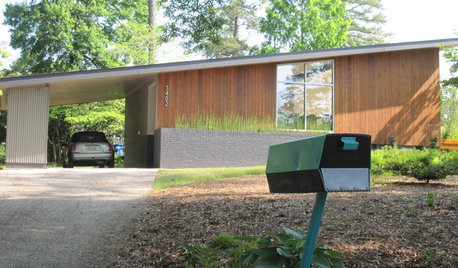
MIDCENTURY STYLEFollow One Man’s Midcentury-Mailbox Dream
An ill-fitting mailbox leads a determined dad on a quest — and possibly to a new business
Full Story
GARDENING GUIDESWhy Your Garden Might Be Full of Weeds
Tired of battling unwanted plants? These surprising reasons for weediness point the way to cures
Full Story
CURB APPEAL7 Ways to Create a Neighborly Front Yard
Foster community spirit by setting up your front porch, paths and yard for social interaction
Full Story
SIMPLE PLEASURESThe Art of Being Neighborly
Learn the heartfelt gestures that go a long way toward creating a welcoming community
Full Story
GARDENING GUIDESMake Sure You Read This Before Buying New Plants
Follow these 10 plant-selection tips to avoid buyer’s remorse
Full Story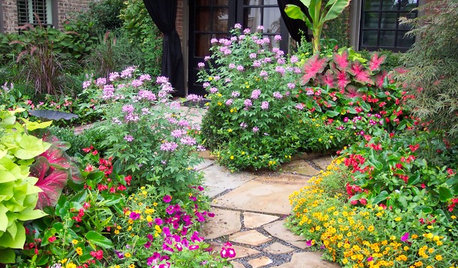
GARDENING GUIDESTexas Gardener: What to Do in June
Don't be discouraged by the dry summer heat — hardy plants, container gardens and smart watering can help landscapes thrive
Full Story0
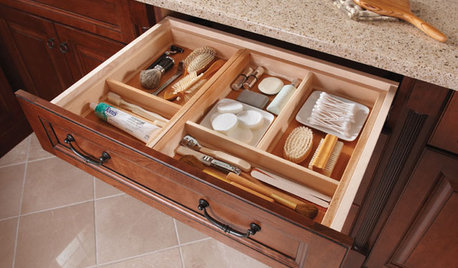
MOST POPULARHow to Create an Inventory, Whether You're Naturally Organized or Not
Documenting your home items is essential, even if disaster seems unimaginable. And it may be easier than you think
Full Story
LIFECreate a 'Forever House' Connection
Making beautiful memories and embracing your space can help you feel happy in your home — even if you know you'll move one day
Full StorySponsored
merryworld