

Substituting for various alternative sweeteners
9 years ago
Featured Answer
Sort by:Oldest
Comments (10)
- 9 years ago
Related Discussions
Various Clarifications on Gritty Mix and 5-1-1
Comments (7)1) Al uses the gritty mix for containers he needs help lifting, and Al is hale. ;o) There really is no upper size limit, even for small plants if you're using a properly made gritty mix because it holds no (or very little) perched water. You need to be a little more cautious about the 5:1:1 mix - especially because there is a wide range in what you end up with as far as porosity/drainage, depending on what goes into it. 2) Over the long term, the gritty mix will outperform the 5:1:1 mix, but they're so close over the short hauls that I put anything 1-seasonal in the 5:1:1 mix. It's easier to make in large volumes and it's much less expensive. 3) It depends on what you use. I screen the Turface because of a size issue. The bark and granite I use are pre-screened, so I screen them over insect screen just to eliminate the dust. That's important to me because I grow many plants in pots an inch deep or less. I need to minimize every form of stress on those plants I can, and can't afford to have a thin layer of sludge at the bottom of these containers. It wouldn't make much difference in the deeper containers most of you would have your long term planting in. 4) "Crushed" is my own term. No 'crushing' is required as it comes in small, pre-screened pieces. I suppose granite chips would be more accurate, but I've noticed that habits are first cobwebs - then cables .... and so I'm prolly tied to 'crushed' unless I make myself think hard about it. ;o) 5) Schultz Aquatic Soil = Turface MVP. Calcined diatomaceous earth is a little different than Turface. It holds more water (on a size for size basis), has a better CEC, but also has a higher pH. Like unproven sources of calcined clay, calcined DE should be checked for stability by freezing in water over night. If it remains stable, it's ok to use. FWIW - I have a lot of maples (heavy on the Jap maples but also plenty of tridents & others) in the gritty mix, and have been enjoying very healthy trees for a long while. Your turn. ;o) Al...See Moreplum syrup - no sweetener added?
Comments (10)lana_lang - just one point to add. I believe I am right in thinking that if you are trying to reduce your sugar intake, substituting sugar ie sucrose with fruit juice ie fructose won't help. Both are sugars and equally calorific for the same amount of sweetness. The only advantage of using fruit juice is that you get vitamins and some minerals and fibre with your sugar. Using honey instead of sugar is also not going to reduce your calorie intake since it too is basically 'sugar' ie a little sucrose plus glucose and fructose. The best way to reduce your calorie intake from sugars is to try to re-educate your palate to accept less sweet foods. I served stewed gooseberries the other day. I thought they were just the right sweetness. My son found them too sour and my husband found them too sweet. So you see people can get used to quite different levels of sweetness....See MoreDoes it matter what sweetener in pickled products?
Comments (9)The form of the sweetener does make a difference, though research in this area is just beginning. Fruits preserved with Splenda are not an issue. Essentially what you're doing is canning fruit in water; the impact on texture and keeping qualities once opened will be the same as if just water had been used. But pickles present special problems. Note this account from the NCHFP of problems with pickled beets [I've italicized for emphasis]: "Recently, a question was asked regarding changing the sugar in pickled beets. The person made pickled beets using fructose and Splenda® in place of the sugar. A few weeks later, the lids popped loose and juice was coming out while transporting the jars to a relative in another state. This never happened when regular sugar was used. What could have gone wrong? There is rarely one simple answer to these situations. Common solutions include bacterial growth, poor seal, chips around the jar rim, food particles on the jar rim, old lids, lifting the jars by the lid instead of the jar rim, or not following manufacturerÂs directions in preparing the lids. In this scenario, however, another factor must be considered as the problem. The use of different sugars. Sugar will dissolve in water. When this occurs, it will raise the boiling point of water. Different sugars have different molecular weights per molecule. Therefore, this weight difference may raise the boiling point only 1°F or it may raise it 5°F as examples. This change affects how long a food must be processed to be considered safe. In the case of the pickled beets, the fructose and Splenda® are quite different in weight than sugar. Therefore, using the same processing time from the original recipe was probably not adequate. The beets were beginning to show signs of spoilage. This is one example why we recommend using tested recipes from sources such as the USDA Complete Guide to Home Canning or from the Cooperative Extension Service." So I wouldn't make a pickled recipe with Splenda (for canning) unless it had been specifically developed for that product. However, I know Ken has had good luck with Splenda-sweetened pickles and his take on this issue may be different. Beverly Alfeld's new book Pickles to Relish does offer several recipes with Agave substituting for sugar. However, I don't know the pH of Agave nectar and whether she's using Agave in pickles with a low enough pH to allow for differences in sweeteners. She does caution to be very careful in subbing one sweetener for another. For example, she has customers who are interested in maple syrup as a natural sweetener for pickles, but maple syrup in several cases raised the pH to the unsafe level. So again, until more is known, I'd stick with recipes tested for the sweetener you would like to use. But that's just my point of view. You might see if your library can obtain Alfeld's book so that you can take a look at the recipes which call for Agave. ......See Moreseek expertise in choco-truffle ingredient substitution
Comments (12)Lyfia, no problem, but the thanks goes to the regulars :) In fact, if anyone here is a member of cooks.com it would be a public favor to post the info re: 14oz. many times, so it should become noticeable & findable. OK, now as for the semantics and "not-so-dumb" questions, I guess i'll leave that to your collective imaginations! BTW, dcarch, to my chagrin, and that of my tums (plural, cuz there's double of all of them to match my chins), I too am an experienced sweets eater :)))) To CL Blakey & foodonastump, thank you SO much for the info! Actually i had, in fact, browsed the comments, but must have missed the 14oz. ones, due to my dried blurry eyes (often caused by computer fluresence). Had I only only ignored the scaremonger doctors long ago, and begun drinking coffee+milk+turbinado long ago instead of just recently out of desperation, I'd have had much less headaches, eye deterioration, memory loss & premature aging nowadays. Now I guess all that's left for me to break those 7 white bars into itsie bitsies by hand ;-) at such time as opportunity plus energy + motivation present themselves together....See More 9 years agolast modified: 9 years ago
 9 years agolast modified: 9 years ago
 9 years agolast modified: 9 years ago
 9 years ago
- 9 years ago
- 9 years ago
- 9 years ago

Related Stories
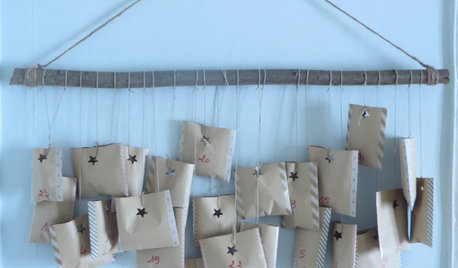
HOLIDAYSSweeten Your Days With a DIY Advent Calendar
Tuck candies and small gifts into packets you make yourself for a simple holiday wall hanging
Full Story
MATERIALSMaterials Workshop: Polycarbonate — a Low-Cost Alternative to Glass
Looking for something lighter, stronger and less expensive than glass? Multiwall polycarbonate may be a good option
Full Story
MOST POPULARMeet a Lawn Alternative That Works Wonders
Carex can replace turfgrass in any spot, is low maintenance and adjusts easily. Add its good looks and you’ve got a ground cover winner
Full Story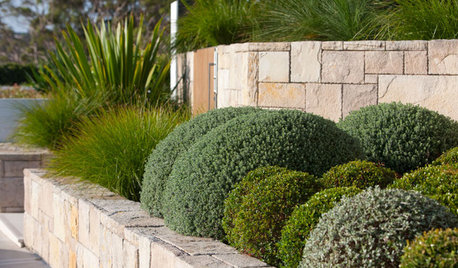
LANDSCAPE DESIGNBoxwood Alternatives Bring the Chelsea Flower Show to You
Don’t let box blight limit your plans to borrow garden design ideas from the renowned British event
Full Story
GARDENING GUIDESGet on a Composting Kick (Hello, Free Fertilizer!)
Quit shelling out for pricey substitutes that aren’t even as good. Here’s how to give your soil the best while lightening your trash load
Full Story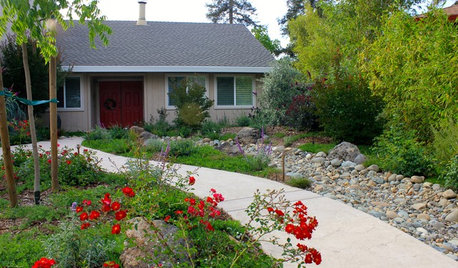
LANDSCAPE DESIGNCalifornia Says Goodbye to the Sprawling Ornamental Lawn
New state rules will effectively limit turfgrass to 25 percent of the landscape in most new and renovated yards
Full Story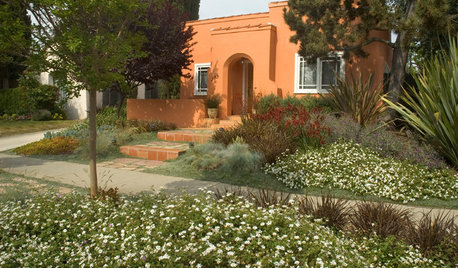
GREAT HOME PROJECTSHow to Replace Your Lawn With a Garden
New project for a new year: Lose the turfgrass for energy savings, wildlife friendliness and lower maintenance
Full Story
LANDSCAPE DESIGNGet Along With Less Lawn — Ideas to Save Water and Effort
Ditch the mower and lower your water bill while creating a feast for the eyes with diverse plantings and gathering places
Full Story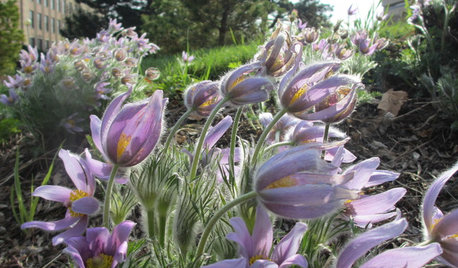
GARDENING GUIDES6 Plants That Beat Butterfly Bush for the Wildlife Draw
It's invasive, a nonnative and a poor insect magnet. Check out these better alternatives to butterfly bush in the garden
Full Story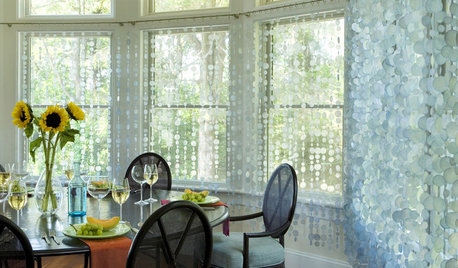
DECORATING GUIDES8 Wonderfully Creative Window Treatments
If regular curtains and rods feel too off the rack, look to these imaginative alternatives for one-of-a-kind windows
Full Story
plllog