

poisonous native trees and wildlife
9 years ago
last modified: 9 years ago
Featured Answer
Sort by:Oldest
Comments (10)
- 9 years agolast modified: 9 years ago
Related Discussions
Help critique front native wildlife garden plans
Comments (18)I'm not well-versed in conifers, but do have a list at work from a presentation given by our Ag. Agent "Underutilized Trees & Shrubs". If I can remember, I'll bring it home; anything suited to our area should do just as well in yours. Right off the top of my head, two deciduous woody plants with good winter interest are the river birch (betula nigra) 'Heritage' and redosier dogwood. 'Heritage' is better suited to our hot summers than white birch, and is resistant to many of the pests and diseases; as it matures, it also develops a lovely an interesting exfoliating bark. There are a few different varieties of the redosier dogwoods now, with different coloration. They thrive in full sun to part shade, but will have better winter color in full sun. Winterberry holly is deciduous, and you need both male and female plants, but will have a beautiful display of bright red berries in winter - for the birds or to cut and bring indoors (use them as supports for your forced paperwhite bulbs ... great combination). I'm glad to see you've chosen the serviceberry (shadbush, amelanchier, etc.). Check the different varieties for the characteristics you prefer - some have more vibrant fall foliage than others. The berries are very attractive to wildlife (I didn't realize chipmunks climbed trees until I saw one gathering berries in one of the serviceberries at our park). The berries are edible for humans, if you can get to them before the wildlife does! They taste a lot like blueberries. One of my favorite local nurseries is also a good resource for information, rarefindnursery.com. Even if you don't order anything from them, you will find a lot of photos and information and I've always found it to be reliable. Ah, sweetbay magnolia (magnolia virginiana) - another native, semi-evergreen, very fragrant blooms (heavy in June, intermittently thereafter), seeds are colorful and food for wildlife. The undersides of the leaves are silvery, making a nice display when they flutter in the breeze. Choose an upright or multi-branching variety, according to your needs. Like serviceberry and river birch, they do well in a moist soil. Ninebark (physocarpus) is another deciduous native, for sun or partial shade. 'Diablo' is a dark red leaved cultivar with contrasting clusters of tiny pale pink flowers. I'm sorry, I should never get started....See MoreNeed ideas for natives for wildlife
Comments (9)HEy all. I'm following the list for a certified wildlife garden, so the kind of natives I'm looking for would produce - seeds, nuts, berries and nectar. Not on the same plant of course, LOL. I have full sun in the front yard, so they should be semi-pretty for the neighbors. The back yard is mostly shaded by giant maple trees, a Plum and two Apple trees. Stuff doesn't have tobe so pretty there, mostly useful for wildlife. Keep your suggestions comimg!...See MoreNative evergreens for winter wildlife cover and human interest?
Comments (2)Believe it or not, I have had luck with growing Rhododendron maximum around here - you do have to amend the soil a little bit, though. It's not technically native to Indiana, but it is native to Kentucky and Ohio - close enough for me! Another native evergreen is Mountain laurel, which actually is native to Indiana. It is slower growing than Rhododendron, but it is more adapted to the crazy temperature swings Indiana is known for....See MoreShade plants that are best for wildlife? Native prefered.....
Comments (11)I have a highbush cranberry tree that is about 12' high. I dug it up from a few blocks away and dragged it back to my woodlot backyard and planted it last fall. Despite all the trauma it experienced it has done superbly and presented the birds with tons of bright red berrries that the birds will enjoy when the winter is here. We also have a mulberry, several serviceberry (great shrubs/trees... beautiful white blossoms, berries that start out red and turn bluish black as they mature and the birds go nuts for them) and the ground cover is mostly Blue Cohash which the birds go absolutely crazy for in the fall. We just moved here last fall and the woodlot had to be cleared of dense Garlic Mustard and Oriental Bittersweet which has taken us 2 seasons to do. We expect at least one more season of dense Garlic Mustard but in the mean time we have planted lots of native ferns, various coloured trilliums, jacks etc.. and I went on a berry hunt this fall and strew about loads of Blue Cohash seeds to help take over where the Garlic Mustard has been taken out. As for more species for the birds (our family are avid birders), you could try SweetGum (awesome trees with very strange seed pods), Tulip Trees (nectar), Dogwoods, SpiceBush (this is our next bush to go into the woods... they grow in large groups so we will plant a large stand of them next spring), any of the cherry species like "Pin Cherry" will attract birds and are at least native in my region (southern Ontario) and we have several 60' as well as tons of saplings. Sassafras are good for fruit as well. *sigh* so many cool plants and so little money ;o) Barb Southern Ontario...See More 9 years ago
- 9 years ago
- 9 years ago
 9 years ago
- 9 years ago
- 9 years ago
- 9 years ago
- 9 years ago

Related Stories
GARDENING GUIDESGreat Design Plant: Cornus Florida Benefits Wildlife
Flowering dogwood provides fiery red foliage in fall and beautiful springtime blooms
Full Story
GARDENING GUIDES10 Top California Native Plants, Trees and Grasses
Enjoy a fuss-free, water-wise garden in the Golden State by growing plants naturally in tune with the climate and wildlife
Full Story
FLOWERS AND PLANTSHummingbird Sage Lures Wildlife With Its Sweet, Fruity Fragrance
This native California ground cover thrives with little water on grassy slopes, under trees or in patio containers
Full Story
GARDENING GUIDESCelebrate Eastern Oaks for Wildlife, Longevity and Seasonal Interest
There might not be a more important tree to have in your eastern U.S. landscape — if you can fit one in
Full Story
GARDENING GUIDES10 Top Native Plants for the U.S. Southeast
For a low-maintenance and wildlife-friendly landscape, use Southern natives that withstand heat and humidity
Full Story
GARDENING GUIDESGreat Design Plant: Nourish Wildlife With American Beautyberry
The bright purple berries of Callicarpa americana feed winged beauties and make the Southeast U.S. native a fall garden standout
Full Story
GARDENING FOR BUTTERFLIESGarden for Wildlife to Reap Rich Rewards
When you plant with animals and insects in mind, you make gardening easier, the planet healthier and yourself more present
Full Story
GARDENING AND LANDSCAPINGBe a Citizen Scientist to Help Wildlife, Learn and Have Fun Too
Track butterflies, study birds, capture stars ... when you aid monitoring efforts, you’re lending Mother Nature a hand
Full Story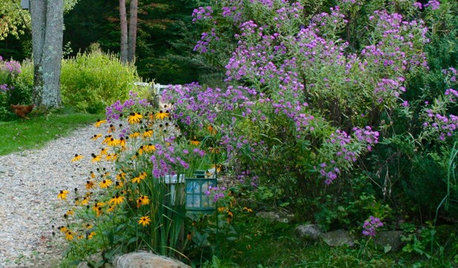
GARDENING GUIDESTop 10 Native Plants for the Northeast
For a low-maintenance, wildlife-friendly landscape, use native plants adapted to the climate and range of soils in the Northeast
Full Story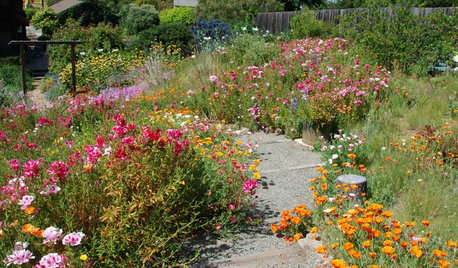
EARTH DAYHow to Design a Garden for Native Bees
Create a garden that not only looks beautiful but also nurtures native bees — and helps other wildlife in the process
Full Story
More Discussions
wisconsitom