

What is happening?
9 years ago

Featured Answer
Sort by:Oldest
Comments (57)
- PRO9 years ago
Related Discussions
What’s happening to my succ?
Comments (8)Lithops are late summer thru winter growers and are dormant now. Here is a pic of some of my Lithops. They look like crap, but they won’t in a couple months. Lithops absorb everything out of the old leaves for the new. Once this reabsorbing process is done, all that’s left of the old leaves is paper. This paper protects the Lithops from the summer sun. They will also shrink into the mix, almost burying themselves. The little guy below doesn’t want to come out, but once the growing season comes, it’ll plump up and burst thru the papery sheath. They really don’t need water when they absorb the old leaves for the new, if they do get too much moisture during this time, problems can occur. I‘m fairly certain that’s what happened to yours. I’ve seen this happen to others’ Lithops. The old leaves will burst or rot and expose the underdeveloped leaves underneath. I have never had success growing underdeveloped Lithops leaves. They bruise super easy and never fully develop. Your first instinct is to take off the old leaves, but whenever I’ve done this the new leaves never make it. I would leave the old set of leaves on and cross my fingers. Hopefully the old leaves will protect the new underdeveloped leaves as they mature a little bit. Don’t hold your breath tho. Who knows you may have success at this🙂. I’m telling you what I would do, but they are yours, so do what you feel is right. I’d leave them be for a month or so. No water, no nothin during this month. Around mid to late August is when their growing season starts, this is a great time to repot into a new faster draining mix. About a week after the repot is when to water. I water mine from mid August thru December. Give or take a month. Winter thru spring is when they absorb the old for the new, and really don’t need water during this time. Others grow their Lithops differently, but this is what I do🤪. More Lithops info....See MoreWhat’s happening to my plant
Comments (10)It’s in a drainage pot inside the ceramic pot, it’s not been watered for about 2 weeks! I thought over watering too but I’ve only watered it twice since buying it in mid December! it could be cold As the house gets quite cold in the day? I’m just wondering if it’s salvagable? I’ve cut off the rotting bit and am hoping it helps 🤷🏼♀️...See MoreWhat’s happening to my Camellias?
Comments (6)"the last 2 years they’ve started to open the tips of their buds months before they should be blooming." - It is completely normal for all types of camellias to produce flower buds months well ahead of the time when the flower buds actually open. Each cultivar's flower bud will develop from late summer to sometime in the fall and open at a different/appropriate time for that specific cultivar. Camellia sasanqua flower buds will typically develop and open flower buds in the summer/fall months, whereas Camellia japonica flower buds will develop flower buds in the fall and these will open later, anywhere from late fall through spring (April-May) depending on the cultivar, your geographic location as well the current local winter conditions. Flower buds can be damaged by cold temperatures. The flower buds can either fall/drop to the ground or turn completely or partially brown. Flower bud drop can -for example- occur when there is an environmental shock such as a large temperature drop from the 80s to below freezing in less than a day. If the flower buds turn completely brown due to cold damage, they are dead and will either fall quickly to the ground or not. Partially browned out flower buds may or may not open; it is difficult to guess what will happen with partially browned buds as it depends on the extent of the injury. To protect the plants and minimize the chances of flower bud problems, I maintain 3-4" of organic mulch all year around the plants, stop fertilizing 3 months before my average date of first frost and I also water deeply before temperature drops well below freezing. Small, quick temperature drops to freezing or slightly below, followed by warmer temperatures in the morning hours normally do not cause problems. The camellia plant usually survives occasional temperatures as low as +10° to 0°F. Camellia flower buds are damaged at temperatures below +10° to +15°F. Dry soil conditions promote flower bud injury. Open camellia blossoms normally are damaged at temperatures below +26° to +28°F. If your local winter temperatures are such that flower bud damage occurs often in most years, that indicates to me that the cultivar has a blooming time that is not appropriate for your location and one should consider using a cultivar that blooms earlier (before the flower buds are winter damaged in your area). Camellia sasanquas are the earliest blooming camellias, starting somewhere in the fall (varies by cultivar). Camellia japonicas and hybrids can start to bloom anywhere from December to April. If damage to japonicas tends to occur in March, consider using cultivars that open blooms before March (some of the earliest blooming ones open flowers in December). Camellias that are blooming may not have flower bud issues but may also temporarily delay opening more blooms for a few weeks (or even as long as a few months) if climatic conditions suddenly get very cold. From your pictures, I noticed that the soil appears to be dry and does not have any or much organic mulch. That may dehydrate the plant in winter or when drying winter winds occur. You may want to see if maintaining the soil moist at all times as best as you can and mulch help in future winters. I am assuming that the soil has not frozen where you live. Note: the first year that you got them, the plants were forced to bloom early by the wholesaler so they would arrive blooming at your local plant nursery. That is what wholesalers of all plants often do, not just camellia wholesalers....See MoreWhat’s happening?
Comments (5)No cats or deer that I know of but we do have racoons, possum, bobcats and coyotes. would they nibble? thanks for your response....See More 9 years ago
 9 years agolast modified: 9 years ago








Related Stories
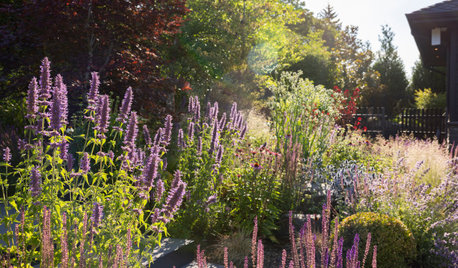
GARDENING GUIDESGot Frost-Damaged Plants? How It Happens, and When and How to Prune
Don’t rush to cut back brown, brittle growth after a freeze
Full Story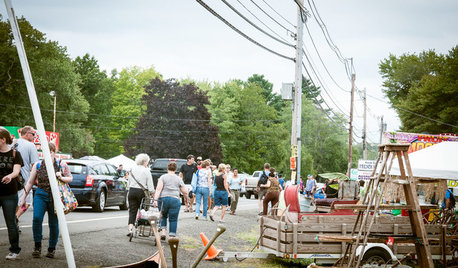
EVENTSHappening Now: The Brimfield Antique Show
Take a peek at the largest outdoor antiques show in the United States
Full Story

Happening: David Stark's Wood Shop for Haus
David Stark creates pop-up 'workshop' in Manhattan
Full Story
DECORATING GUIDESHouzz Call: Share Your 'Happy Accidents'
If any of your home decorating successes have happened by chance, we'd like to hear about it
Full Story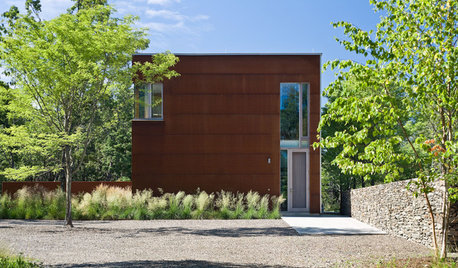
ARCHITECTUREDiscover the Real Meeting Grounds of Architecture
Do smooth transitions or stark contrasts define your home? Hone its architectural style by understanding what happens at the intersections
Full Story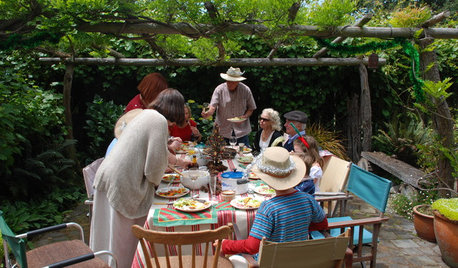
HOLIDAYSPeek in on a Traditional Christmas — in a Summery Garden
Turkey and plum pudding grace this family's holiday table, but it happens to be set smack dab in a lush New Zealand garden
Full Story
LIFETrue Confessions of a House Stalker
Letting go when a new owner dares to change a beloved house's look can be downright difficult. Has this ever happened to you?
Full Story
LIFEWorld of Design: See How 7 Families Live in Multigenerational Homes
What happens when three or more generations live within shouting distance of one another? More hugging than shouting, actually
Full Story
ARCHITECTUREA More Perfect Union: When Space and Materials Harmonize
For successful architecture to happen, your space and materials need to have a great relationship
Full Story
Tamara