

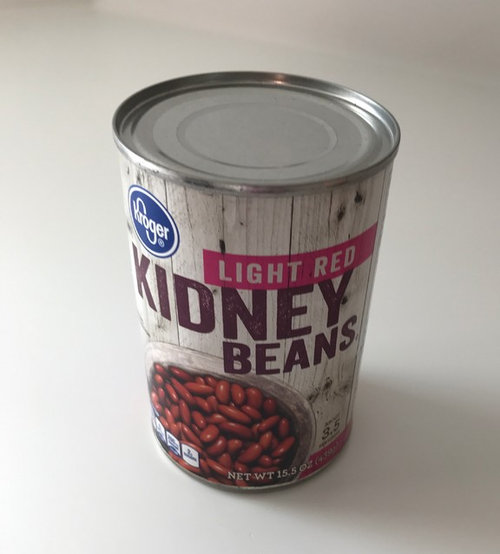
Why drain/rinse canned beans b4 using?
9 years ago
last modified: 9 years ago
Featured Answer
Sort by:Oldest
Comments (17)
Related Discussions
b4 and after pics
Comments (17)Lamora - I think it SEEMS like something of a guessing game until you understand what many of us already understand and try so hard to share with others; something I can see you recognize and are trying to deal with by making your own soils. BTW - I applaud you for that. You understand the principle, that soils that hold excessive amounts of water do not allow you to water properly w/o compromising root health or function; you just need to fine tune the ingredients to make sure you won't run into any unexpected problems with pH and N tie-up down the road. As you can see, you have plenty of support, and all the help, clarification, and guidance you need is yours for the asking. Remember, now is not a good time to be repotting, unless the plant is likely to die w/o intervention. Your plant's energy reserves are generally very low (lowest they will be during the entire growth cycle) in late winter and spring, making early summer and summer the best time for repots. Also, as your soils get less & less water-retentive, and you make them so they don't hold perched water (no soggy layer at the bottom of the pot), that oft repeated directive to only pot up one pot size or whatever other comparative size increase is used, goes right out the window. When you're using soils that don't support significant amounts of perched water, you can plant very small plants in very large pots with very little concern for root issues, as long as you're reasonable about watering intervals. You're definitely on the right track! Al...See MoreAm I wrong to think I shouldn't have to prewash b4 DW?
Comments (22)When we purchased the current house in 1996, it had the original GE builders grade dishwasher from 1985. It was very loud and didn't clean well, so we never used it. When the kitchen was remodeled in '06 we went with a new GE Profile dishwasher, as we also were buying a GE washer & dryer. That dishwasher only lasted us a year and was repaired several times (rolling racks and noisy water intake valve), but it cleaned fine. We replaced it with an Electrolux Wave-Touch, but only had it 60 days due to installation issues that could not be resolved, through it cleaned better than the GE. We were then without a dishwasher for about 2 years before we got a Miele Diamante Plus in 2009. In the two years that we've had the Miele, it has cleaned everything well. We don't pre-wash, but do rinse some dishes, pots/pans in the sink so piece of food would go in the garbage disposal, but we don't wash them with soap. On occasion, we will soak and hand-wash an item that may have heavy baked-on food, but that's like once or twice a week. Regardless, on the Miele we use the Normal mode or the Pots & Pans mode and everything comes out clean. Only use the China/Chrystal mode two or three times a year. The Express mode we don't use, since it only washes for 5 minutes and then does two 5 minute rinses (we found this 5 minute wash is not long enough to clean a full load). I check the bottom filter once a week and clean it out, but it hardly ever has anything in it....See MoreDrain canned beans?
Comments (11)My method, not so odd really, is to soak a bag of beans, white, black, or red, without a plan at all. Soak over night in our small enameled cast iron. Rinse and cover again with water, pop in the fridge in the morning and simmer a couple hours until tender that evening. No plan for a meal really. Just decide what to do and come up with something, then freeze portions so we always have a bit of beans for soups or summer salads. A can, once rinsed of the goo, is hardly a half can in volume and often mush. So often a disappointment in texture. I would not hesitate to replace lentils in any dish calling for beans. They cook fast and digest easier..(.less gassy.)...See MoreWhy are some grains and beans soaked in acid or alkaline mediums?
Comments (3)Most of this information comes from "Nourishing Traditions" by Sally Fallon and Mary G. Enig, Ph.D., if you need a good book on the topic. Our ancestors soaked (or fermented) grains/seeds/beans. In India rice and lentils are fermented for at least two days before they are prepared as idli and dosa. In Africa coarsely ground corn is soaked overnight before adding it to soups and stews, and they ferment corn or millet for several days to produce a sour porridge called ogi. Mexican pozol are fermented for several days and for as long as two weeks in banana leaves. Europeans made slow-rise breads from fermented starters (aka naturally-leavened breads). In Scotland it was the custom to prepare oatmeal in large batches and pour the cooked cereal into a drawer in the kitchen hutch or dresser. As needed, squares of congealed oatmeal could be cut out and reheated by adding a little water. This process allowed the oatmeal to ferment a second time. The reason....as you already mentioned - all grains contain phytic acid in the outer layer or bran. When it's not treated (soaked, sprouted, fermented) phytic acid combines with calcium, magnesium, copper, iron and especially zinc in the intestinal tract and blocks absorption. Diets high in unfermented whole grains can lead to serious mineral deficiencies and bone loss. Soaking allows enzymes, lactobacilli and other helpful organisms to break down and neutralize phytic acid. As little as seven hours of soaking in warm acidulated water will neutralize a large portion of phytic acid in grains. Many years ago there were instructions on the oatmeal package for soaking it overnight and cooked it the next morning. Oats actually contain more phytates than almost any other grain. Back in the oat bran fad, frequent consumption of large amounts of oat bran lead to mineral losses, allergies and irritation of the intestinal tract due to the phytic acid. I also process nuts by soaking them in lightly salted water and then dehydrating them - what we call "Crispy Nuts". After being processed the nuts are much easier to digest and will store much longer. Many people who start a "natural" diet without first treating the grains/seeds/beans/nuts they consume can quickly find they suffer from digestive issues. I don't process 100% of the grains/seeds/beans/nuts we consume, but I do process a large percentage of them. If I consume something that hasn't been processed first, I make sure I take a digestive enzyme after consumption. By sprouting first (which requires soaking then several days of rinsing) I reduce the carbohydrates, increase the nutrition, and make them easier to digest. It's essentially pre-digested food. I am currently using sprouted brown rice, lentils, quinoa, corn (milled into cornmeal), sunflower seeds, pumpkin seeds, buckwheat, nuts, beans (a variety of them). Sprouting beans before consuming them will also make them (ahem) "less noisy" ;-). This is important for my use because a large percentage of our diet is whole grains/seeds/beans/nuts. -Grainlady Here is a link that might be useful: Nourished Kitchen...See More 9 years ago
- 9 years ago
 9 years ago
- 9 years ago
 9 years ago
- 9 years ago
 9 years ago
 9 years agolast modified: 9 years ago
 9 years ago
 9 years ago
- 9 years ago
 9 years ago
 9 years agolast modified: 9 years ago


Related Stories

BATHROOM DESIGNHow to Choose the Best Drain for Your Shower
Don't settle for a cheap fix when you can pick a shower drain that suits your style preferences and renovation codes alike
Full Story
KITCHEN DESIGN6 Clever Kitchen Storage Ideas Anyone Can Use
No pantry, small kitchen, cabinet shortage ... whatever your storage or organizing dilemma, one of these ideas can help
Full Story
KITCHEN DESIGNYes, You Can Use Brick in the Kitchen
Quell your fears of cooking splashes, cleaning nightmares and dust with these tips from the pros
Full Story
FEEL-GOOD HOME12 Very Useful Things I've Learned From Designers
These simple ideas can make life at home more efficient and enjoyable
Full Story
MUDROOMSThe Cure for Houzz Envy: Mudroom Touches Anyone Can Do
Make a utilitarian mudroom snazzier and better organized with these cheap and easy ideas
Full Story
SUMMER FRUITS AND VEGETABLESSummer Crops: How to Grow Beans
Grow your own beans for amazing variety and healthy, convenient produce all summer
Full Story
HOUSEKEEPINGCan-Do Cleaning Strategies for Busy People
While you dream of having a maid (to go with the cook and chauffer), this simplified cleaning routine can keep your real-world home tidy
Full Story
DECORATING GUIDESBean There, Done That: Coffee Table Alternatives
Get creative with these ideas for salvaged and DIY pieces that will get people talking
Full Story
PETS5 Finishes Pets and Kids Can’t Destroy — and 5 to Avoid
Save your sanity and your decorating budget by choosing materials and surfaces that can stand up to abuse
Full Story
KITCHEN DESIGNTrending Now: 25 Kitchen Photos Houzzers Can’t Get Enough Of
Use the kitchens that have been added to the most ideabooks in the last few months to inspire your dream project
Full Story
fawnridge (Ricky)